• Blog
  • Blog Index
  • Video Work
  • About
Menu

Thomas Bardenett

Urban Planning - Writer - Filmmaker
  • Blog
  • Blog Index
  • Video Work
  • About

The Holiday Season Really Celebrates Walkability

December 14, 2021

What do you picture when you think of the holiday season? Lights? Busy sidewalks? Store windows packed with decorations and gifts on display? A Christmas tree in the heart of the city? Are you seeing a show at the one fancy theatre downtown? Or are you in a park having a snowball fight in your neighborhood?

Now think about your city, or town, when the holidays aren’t around. If you live in a typical American city, that hustle and bustle downtown will fade away. You probably won’t think about the shops on Main Street as much, if at all. And you’ll be back to thinking of road trips and spending time in your car. I’m not sure about you, but when I think of a picturesque holiday scene everyone is walking around, not stuck in a car in traffic.

We might not always realize it, but many of the traditions we celebrate during the holiday season are in fact a celebration of an urban experience we no longer allow to be built. It's an experience of walkability. 

Jeff Speck, the author of Walkable City: How Downtown Can Save America, One Step at a Time, identifies four keys to making a city walkable:

  1. Provide a proper reason to walk

  2. Make the walk feel safe

  3. Make the walk comfortable

  4. Create an interesting walk

Let’s think about how our holiday traditions fit into these categories.
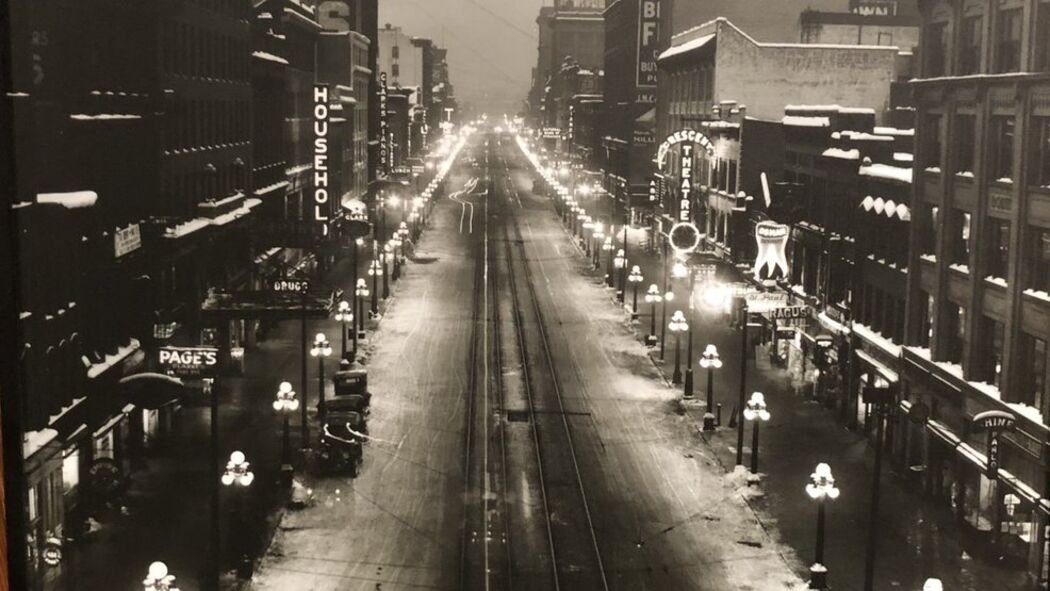
3ca3b456-a083-4efa-95c4-30106e4cf2e9-large16x9_SalinaChristmas.jpeg
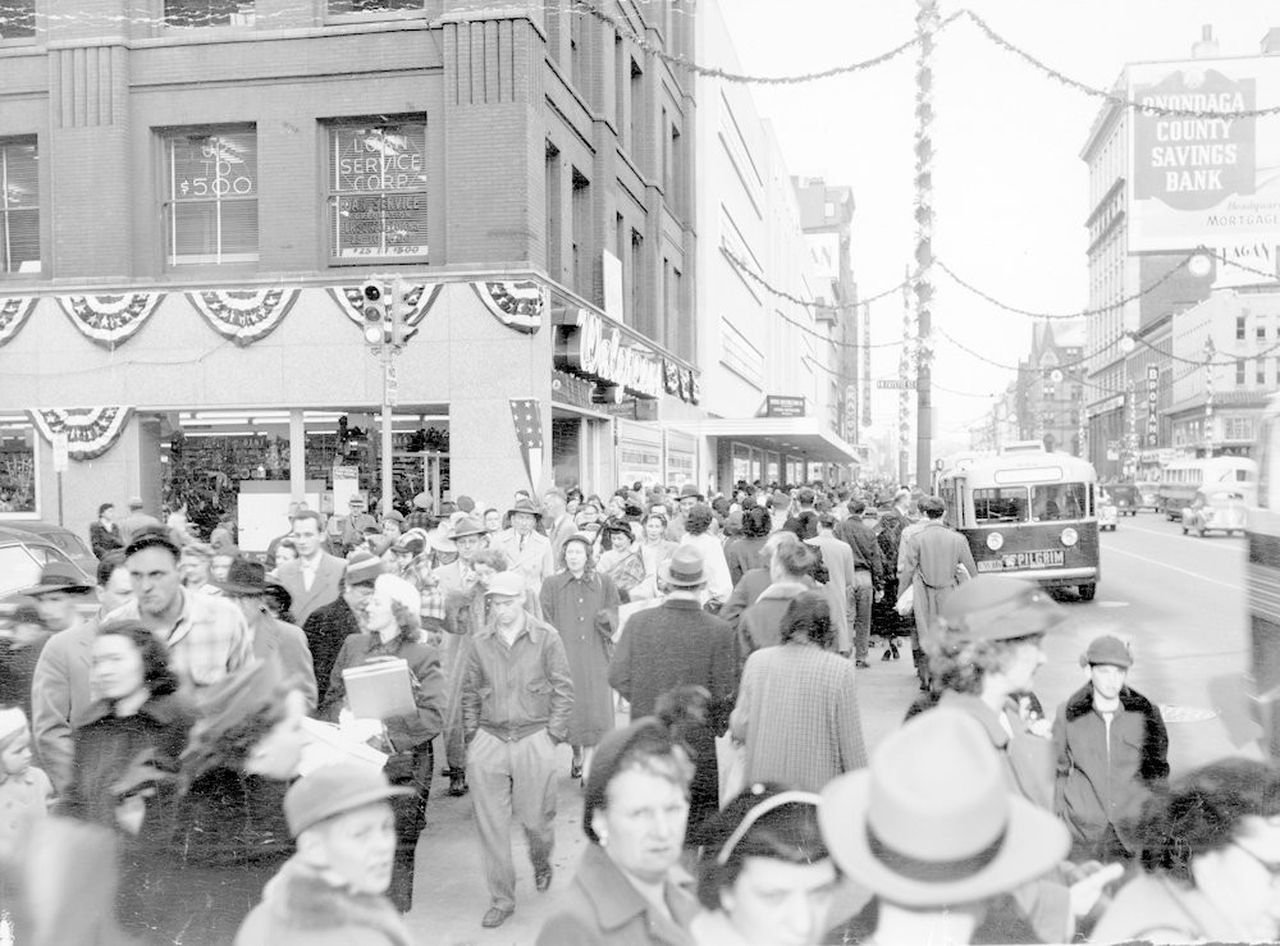
christmas-downtown----1952-9892ac5fbd072ea5.jpeg

A Reason to Walk

There’s one simple answer to this: shopping. While we can argue about the merits of consumerism, there is a joy that comes out of shopping for many people. Window shopping, trying on clothes (whether you can afford them or not), buying gifts for people we love, each offer a type of joy and a reason to shop. 

Before the advent of the shopping mall or the super-center, all of our shopping took place Downtown or in neighborhood shops. Now, we celebrate this shopping tradition through Small Business Saturday and other locally focused events aimed at bringing shoppers back Downtown. 

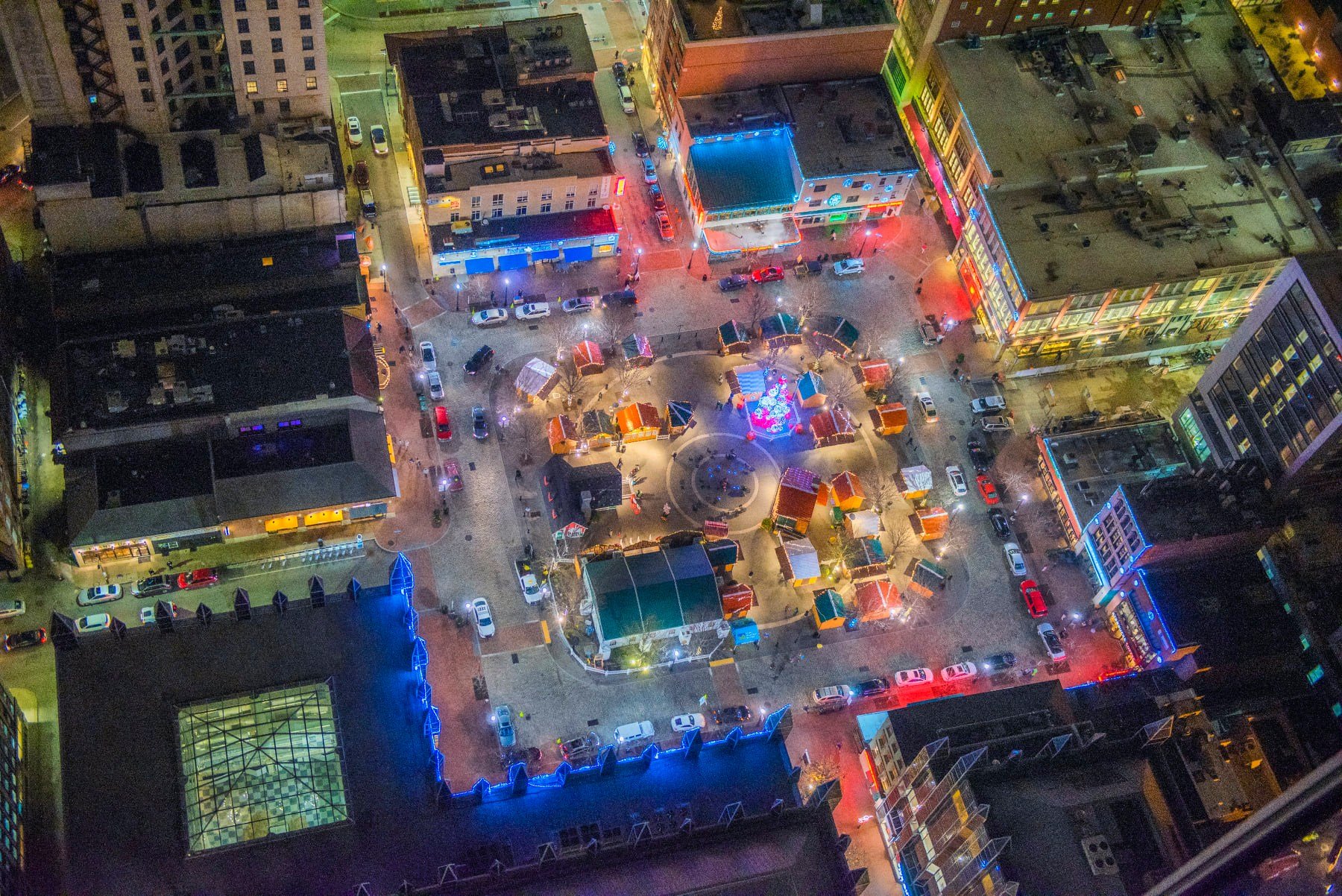
Christmas villages famously pop up across Germany, while many American cities have adopted their own versions, including New York and Chicago. New York's Bryant Park, Columbus Circle, and Union Square evolve into shopping and entertainment centers filled with small shops, specialty food vendors, and drinks. They're a Christmas tradition for many residents and visitors that can only really be accessed on foot.
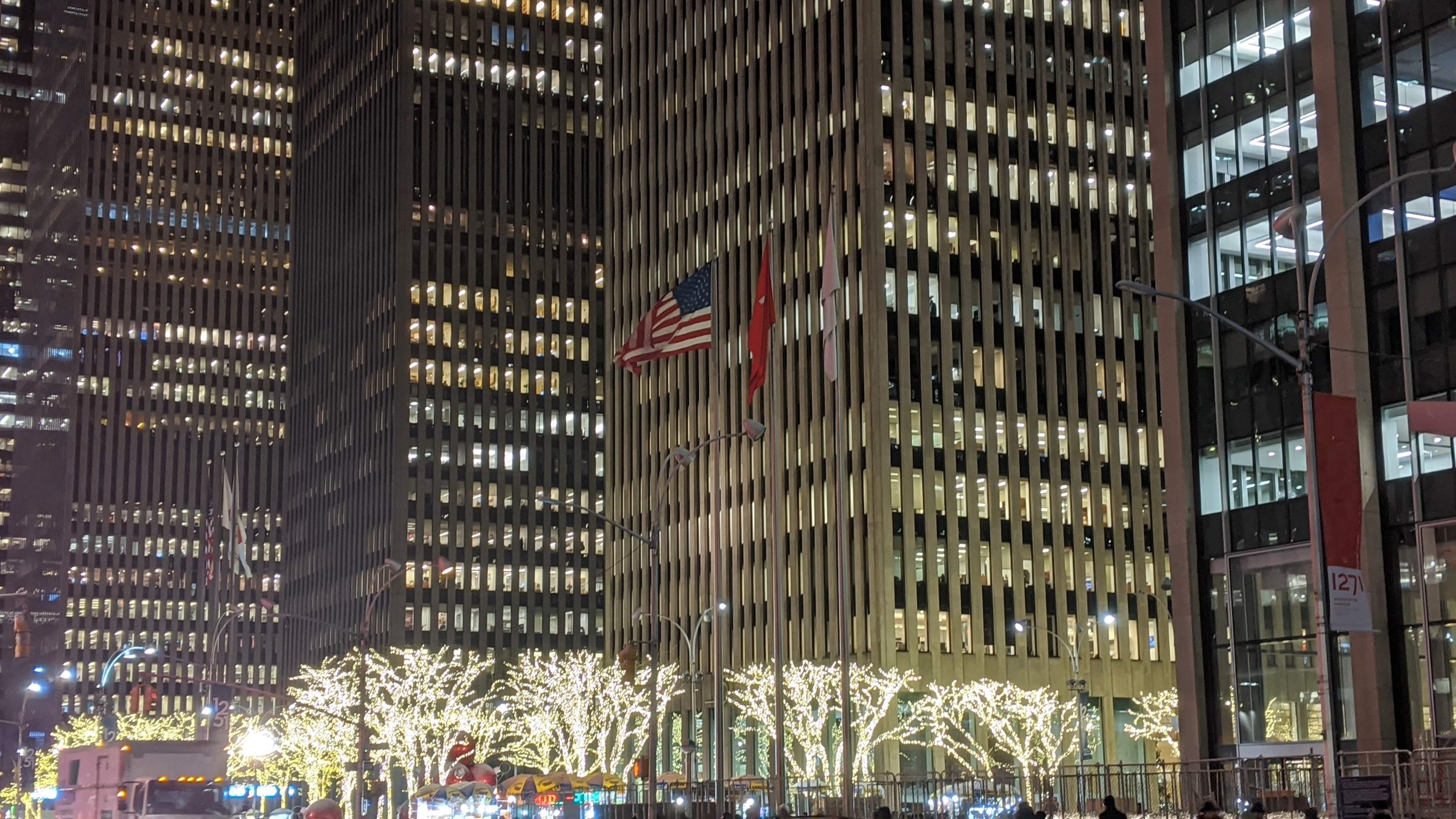
View fullsize IMG_20191218_170508.jpeg
View fullsize IMG_20191216_173922.jpeg
View fullsize PXL_20211213_230242367.jpeg
View fullsize PXL_20201212_220617826.jpeg

A Safe Walk

An under-appreciated benefit of the holiday lights is the added safety they can bring to someone walking along the sidewalk. Additional lights provide added visibility to pedestrians, making them easier to see for drivers. This has been identified as key safety improvement by Safe Routes to School organizations.

Street lights have also been shown to reduce crime. One study that looked at public housing developments in New York City found that developments that had new lighting installments saw “index crimes” conducted outside at night reduced by 36 percent compared to the other developments. 
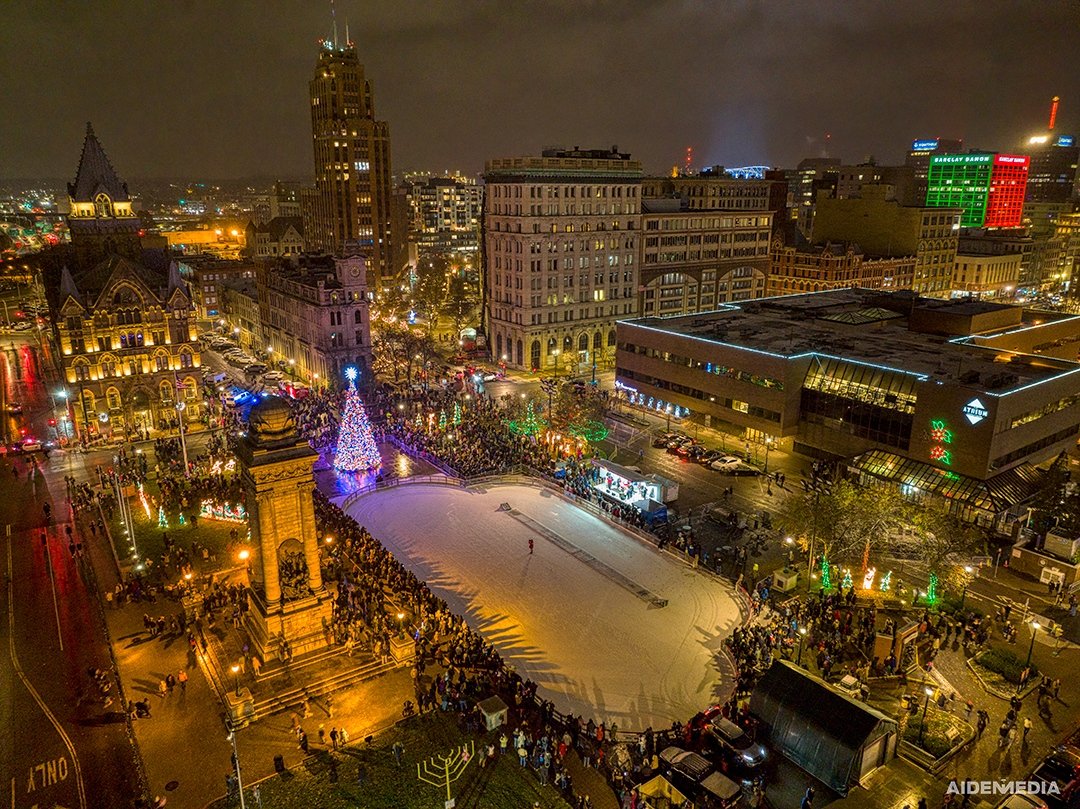
Downtown Syracuse - Aiden Media
Downtown Pittsburgh - Dave DiCello Photography

The added crowds add another form of safety for pedestrians. Jane Jacobs often discussed the benefits of having eyes on the street, reducing the likelihood of crime happening for fear of being caught. Shop keepers, shoppers, and just people out for a walk can all look out for one another as they enjoy the day. 

The holidays are also a time to celebrate our public squares, which are often the safest place for a pedestrian to be. Many cities and towns build ice skating rinks within their parks and plazas, providing places to gather safely away from traffic. It's no surprise that these are the places where holiday pop-up shops, Christmas trees, and menorahs are erected.

A Comfortable Walk

Downtown streets, unlike streets in almost any other neighborhood in most American cities, benefit from wide, spacious sidewalks. Pedestrians can walk in groups with friends and families without being forced to walk single-file past strangers. Making walking a social experience creates a comfortable environment for everyone.

While the weather in December may impact the level of comfort for some, trees, awnings, and a cup of hot chocolate should be enough to keep most pedestrians comfortable during the day. Additional accommodations may be necessary at night, or if you’re looking to enjoy an outdoor dining experience, which should be considered more by cities - especially as the pandemic continues through this winter. 

View fullsize PXL_20211202_120429425.MP.jpg
View fullsize PXL_20211202_120440066.MP.jpg
View fullsize PXL_20211203_220432366.jpg
View fullsize PXL_20211203_220520996.jpg
View fullsize PXL_20211206_110329559.jpg
View fullsize PXL_20211209_110558286.jpg

An Interesting Walk

The most obvious boost the holidays give to walkability is in the creation of an interesting walk. Shops, restaurants, and even residents decorate their property with lights, signs, and displays. Downtown Syracuse, along with many other cities, hold a window decorating competition to drum up excitement for the holiday season. New York City is filled with over-the-top displays every year, including light shows that stop people in their tracks. 

Nearly every city in the country has a central Christmas tree surrounded by other holiday lights, drawing large crowds for lighting events, bringing the most interesting thing in the world to our Downtowns - other people. Humans are social creatures and we can’t help but be fascinated by other people. Bringing people together for large events, or just adding crowds to a sidewalk, intrigues us.

We shouldn’t have to wait for the holidays to enjoy walkability. There’s no reason we can’t add light and warmth to our cities year round. The next time you’re watching a cheesy holiday movie set in a small town where seemingly everyone is in the town square all day, or setting up a small Victorian Christmas village under your tree filled with carolers and horse drawn sleds, think about the ways we can bring that walkability and urbanism to our own cities and towns. We can bring some of that magic to life.

In Walkability, Urban Planning
Comment
Hey, look, it’s me.

Hey, look, it’s me.

Bike Share is Back in Syracuse!…And We Need to Fix It

October 2, 2021

Every city should have a bike share program as part of their transportation network. I’ve discussed it in the past on this blog noting that bike share should be seen as an integral part of creating access and freedom for people. Syracuse’s bike share program, originally run by Gotcha and now operated by Veo Ride, is a success story in its own right and I am personally excited for its return. In fact, the cover photo for this story is me on one of the bikes as soon as I got out of work after hearing they had officially returned. But there are some glaring issues with the system that, if not corrected, will keep it from being a true alternative transportation option for many people.

First, let’s take a look at the system we have in Syracuse. In 2019 the City launched the first, by a few days, all e-bike bike share program in the country. Committing to an e-bike program was a unique option at the time, but one that made complete sense for a city as hilly as Syracuse is. Riding a traditional bike share bike, which tend to be heavier than most bikes people own for safety reasons, up to Tipp Hill or to Syracuse University would be exhausting for most riders. With an e-bike those hills become manageable and you can arrive at your destination without breaking much of a sweat. 

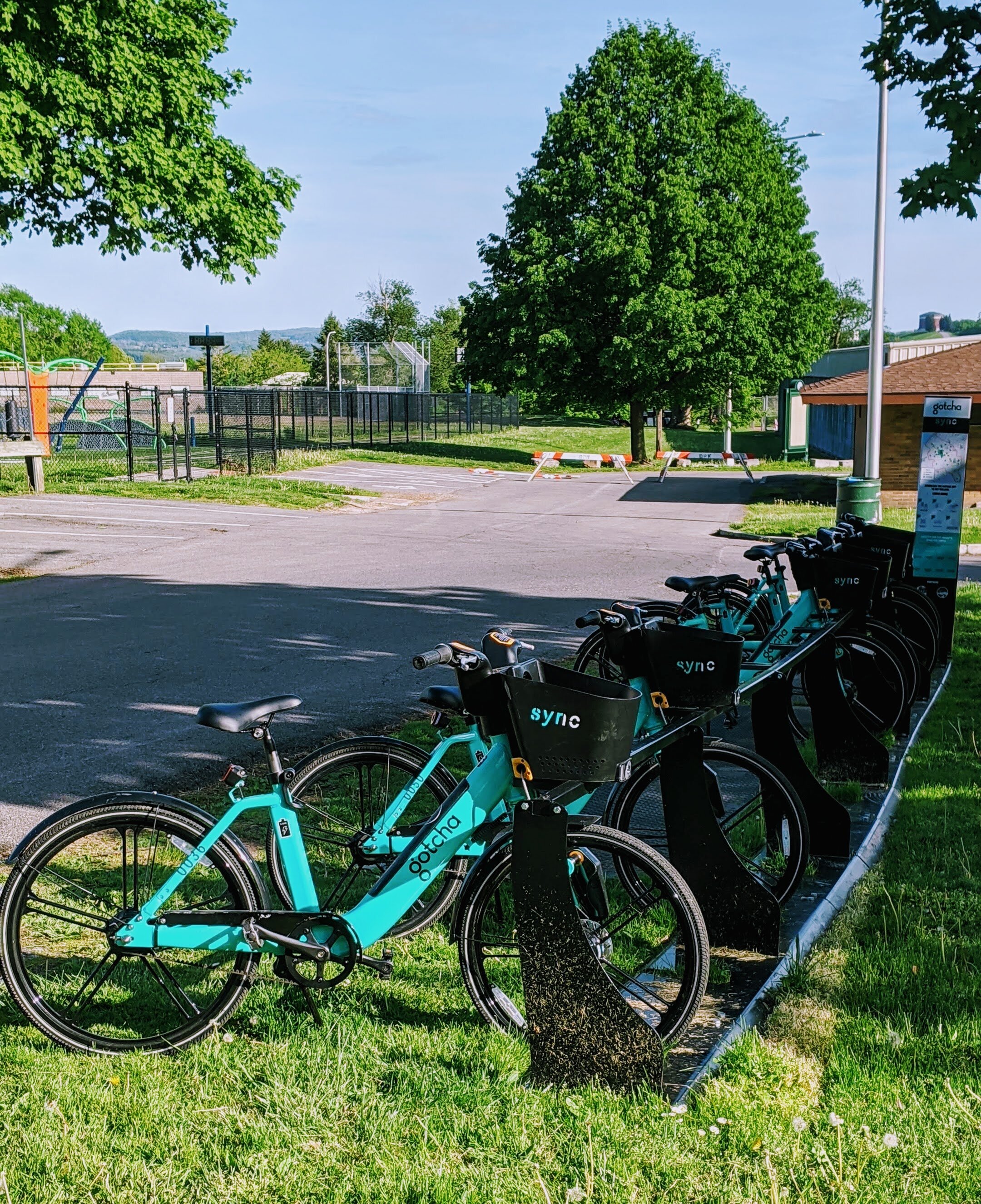
Gotcha’s Sync bikes in Burnet Park.

Gotcha’s Sync bikes in Burnet Park.

At its launch, Sync (the name for Syracuse’s bike share program) offered individual ride purchases but also offered a monthly and yearly pass. Monthly passes, which ran for $12 per month, offered a free 30 minutes per day with $0.10 a minute after 30 minutes, while yearly passes, which were $50 per year, offered one hour of free riding per day with $0.10 a minute for any additional minutes. While these weren’t as generous as the unlimited rides of up to 45 minutes offered by CitiBike in New York, the price came in at a fraction of the $180 for the annual pass, and the service area in Syracuse can easily be covered in under 30 minutes.

While Sync was successful, including seeing a large bump in usage during the Covid-19 pandemic, financial strain on Gotcha resulted in the program ending in the fall of 2020. The City rightfully decided to seek a new vendor to provide this service and accepted a bid by Veo Ride at the beginning of summer 2021.

So now that we’re caught up on the history, let’s take a look at the system we have now and ways that we can improve it so it can become a true alternative option for people to get around Syracuse.

The Pricing

The original Sync program was priced in a reasonable way that would be an extremely affordable alternative for most people within the City of Syracuse. Under Veo Ride, the system no longer lives up to that ideal. 

Monthly and yearly passes have not been implemented at this point in time, requiring all users to pay for individual rides. E-bike rides are charged a $1 unlocking fee and $0.20 per minute, while scooters are charged a $1 unlocking fee and $0.31 per minute. For low-income users you can have the $1 unlocking fee waved. On the first day of operation I took a 15 minute ride from Downtown Syracuse to Destiny USA which cost around $5, so a $10 round trip. An Uber ride in Syracuse is usually not much more expensive, and a bus ride is $2 each way. By contrast, CitiBike costs $3.50 per ride up to 30 minutes, with $0.18 per minute after 30.

Now we may not be able to have prices and offerings at the same level as CitiBike, but if we want bike share to be a true option for people we need to provide affordable monthly/yearly passes so people feel empowered to take a ride as frequently as possible. 

The Network Geography

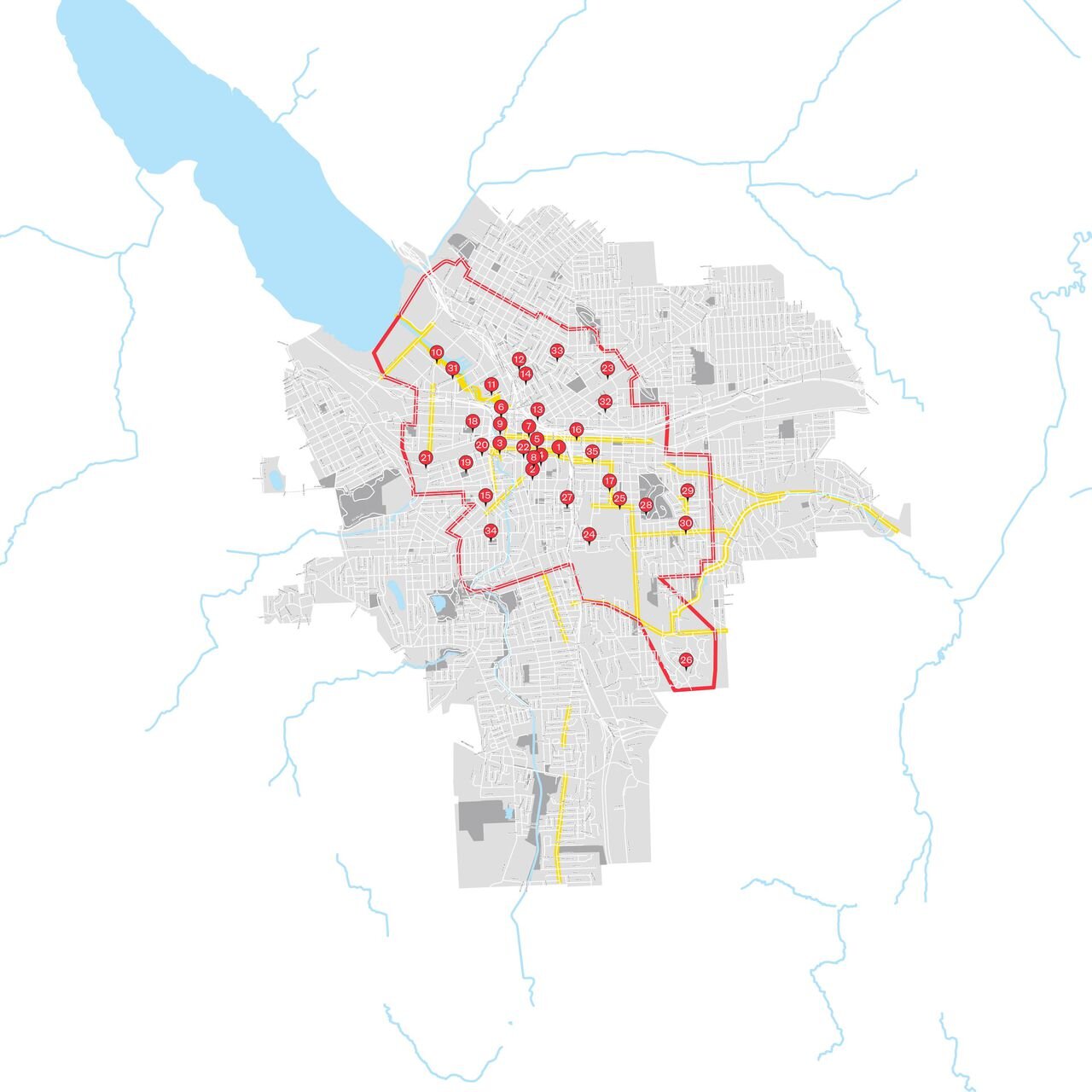
The original bike station map for Sync. Station locations did not change in the switch over from Gotcha to Veo Ride.

The original bike station map for Sync. Station locations did not change in the switch over from Gotcha to Veo Ride.

In the transition between Gotcha and Veo Ride the geography of Sync’s service stations did not change. Stations are located primarily around Downtown Syracuse and the surrounding neighborhoods. While the bikes and scooters utilized are dockless in nature, the stations remain key locations for individuals to look for bikes/scooters and can become transit hubs. The end goal for Sync is to eventually cover the entire city and hopefully convince some of the inner most suburbs to become part of the system as well. But we are currently leaving out important destinations in the network that should’ve been included as stations from the beginning.

The most obvious omission in the system is the lack of station access at Destiny USA. The nearest station to the mall is still around a 10-15 minute walk up the Creekwalk. As one of the largest employment centers in Onondaga County, let alone the City of Syracuse, missing this connection is a huge missed opportunity. This is especially glaring since the Creekwalk, which connects to Destiny USA’s property, is one of the premiere bike routes in the City and continues to grow into the Southside providing access to large population centers. 

Near Destiny USA, we also miss connections to the Regional Market, Regional Transportation Center, and NBT Bank Stadium. A recent study by SMTC identifies ways to make this area more accessible for individuals on foot and on bikes, and is an important destination for many people who don’t have, or choose not to have, access to a car.

We should aim to have bike share stations at major bus stops in the region, helping it become a true last-mile option for many people. Even if the system is somewhat dockless, we need to provide hubs so residents can expect reliable access to a bike or scooter and not go searching near someone else’s house. 

Bike share is back and we should all be excited about it. But we need to make sure its a system that is affordable and truly connects people. Let’s get to work!

In Syracuse, Transportation
Comment
Clinton Square in Syracuse, NY went from the Erie Canal to a parking lot/thoroughfare, and is now back to a civic plaza used for large events and activities centered around people.

Clinton Square in Syracuse, NY went from the Erie Canal to a parking lot/thoroughfare, and is now back to a civic plaza used for large events and activities centered around people.

What’s the Future of Safe City Streets?

September 27, 2021

City streets have evolved over centuries and attempt to adapt with new technologies. From people on foot and horses, to bicycles and trolleys, and eventually to a sea of cars and trucks. While the streets of over a century ago seem chaotic and congested by today’s standards, they did a better job of providing access to people in all modes of transportation than we do now.

In fact, when cars were introduced in mass to city streets many residents protested against them as they were seen as killing machines. Children were a frequent casualty of the new technology, leading many parents to fear for their safety. The eventual domination of cars, through intense lobbying efforts by their manufacturers, also led to all other forms of transportation losing the access they once enjoyed. Public transportation was defunded and slowed down due to the prioritization of private vehicles. Bikes were pushed onto the sidewalks or into parks, with a small minority of riders braving the streets shared with cars (in some ways this was a result of the “vehicular cycling” movement lead by John Forester in the 1970s). Pedestrians slowly saw their access to sidewalks diminish as roadways expanded, and many suburbs never even built out sidewalks to begin with.

Over the last 50 years, we’ve seen annual deaths related to car crashed hover between 30,000 and 40,000 per year. As we improved safety for those inside of the vehicles, we’ve made it more dangerous for everyone outside of them. During the Covid-19 pandemic, when travel was curtailed and most of us stayed home as often as possible, deaths related to vehicles increased. The combination of larger vehicles, higher speeds, and more people spending time outside for health reasons was deadly. 

But what about the quickly approaching dawn of the autonomous vehicle (AV) age? Surely, that will help improve safety for everyone involved.

If you’ve listen to Malcolm Gladwell’s podcast Revisionist History (which I am admittedly a fan, even if the AV episode was poorly done), or paid any attention to the near constant presence of Elon Musk in the news, you’d imagine that AVs are right around the corner and will change everything. They promise to provide door-to-door service while allowing their occupants to read, talk on the phone, or work on the way. Gladwell was especially excited about the gentle breaking and measured movements Waymo performed while he attempted to surprise it.

How close are we really to a full AV world?

Tesla continues to say that full on AV is only months away, after years of proving false. They’ve rolled out “Autopilot” which still requires full driver attention to operate, and has resulted in tragic crashes when drivers have put too much faith into it. Even the over-promoted hyper loop, with its first attempt now in operation in Las Vegas, requires drivers to be present in a tunnel solely built for them. The video below is so breathless about a technology that carries less people, and is less automated, than an average airport people mover.

So much of the coverage has been about how AV technology will make it safer and more convenient for people inside the vehicle, but the pedestrian experience often takes a back seat. Reports of difficulty seeing individuals with darker skin tones and confusion over bikes can lead to avoidable disasters. Some have begun arguing that pedestrians and cyclists need to be even further removed from roadways, or required to wear devices that communicate with AVs. Others just completely forget that pedestrians exist and believe AVs will be able to completely solve traffic congestion, as the YouTuber CPG Grey believes in the video below.

AVs can be seen as a way of getting us closer to the supposed utopian vision of “Futurama” from the 1939 World’s Fair, an exhibit presented by GM that featured high speed car access to central cities without a single pedestrian in sight. Futurama was a dangerous fiction then and continues to encourage engineers/tech giants to focus solely on vehicle access. No matter what we do, people will always travel on foot at some point during their day, and we should be encouraging more of it instead of encouraging more car usage. Walking has been shown to improve both physical and mental health, is beneficial to the environment, as well as provides economic/social benefits for all.

Futurama model at the 1939 World’s Fair, focused on providing high speed access for vehicles with no access to people on foot or bike.

Futurama model at the 1939 World’s Fair, focused on providing high speed access for vehicles with no access to people on foot or bike.

AVs will eventually make their way into society, but we need to decide where they fit and what type of future we want for our city streets. Here’s my vision for that future:

We first need to pump funding into developing strong public transit and bike networks, which move far more people than private vehicles ever will. With the advent of AVs owning your own vehicle is no longer needed. Car shares can become much more efficient and affordable, resulting in far fewer vehicles on the road. While public transit should carry the majority of workday trips between population and commercial centers, AVs can fill in the gaps. 

Our city centers and neighborhoods should be primarily the domain of pedestrians and cyclists, much like Dutch cities and the super blocks of Barcelona are now.  Provide access by AVs on the outskirts, with exemptions for the elderly and disabled who’s vehicles would travel at slow, safe speeds within these destinations. Transit would travel into these areas on dedicated rights-of-way, primarily repurposed streets from our current network, with pedestrianized areas surround stations and stops. By freeing the majority of streets from vehicles, or at least greatly reducing the number of vehicles with access, streets can become parks, restaurants, and gathering spaces. Instead of restricting people for the benefits of AVs, we should be restricting AVs for the benefit of people. 

Space that was originally dedicated to cars is now used for community activities in the Barcelona Super blocks.

Space that was originally dedicated to cars is now used for community activities in the Barcelona Super blocks.

The best part is, we don’t need to wait for AVs to become a reality for us to begin these changes. These changes can be implemented now and we can start reaping the benefits. Car share is successful in many other countries, with easy access within a short walk. The Barcelona super blocks still provide car access to residents, at highly reduced speeds, while keeping out most other vehicles, which has freed up space for playgrounds and greenery. Every city has at least a few streets they could close off right now to vehicles and start implementing these measures. And when AVs come we can just double down on the efforts we’ve already begun. 

Let’s make the future safe for people, not cars.

In Transportation, Urban Planning, Walkability
Comment

Byrne Square Can Dance Back From the Grave

June 13, 2021

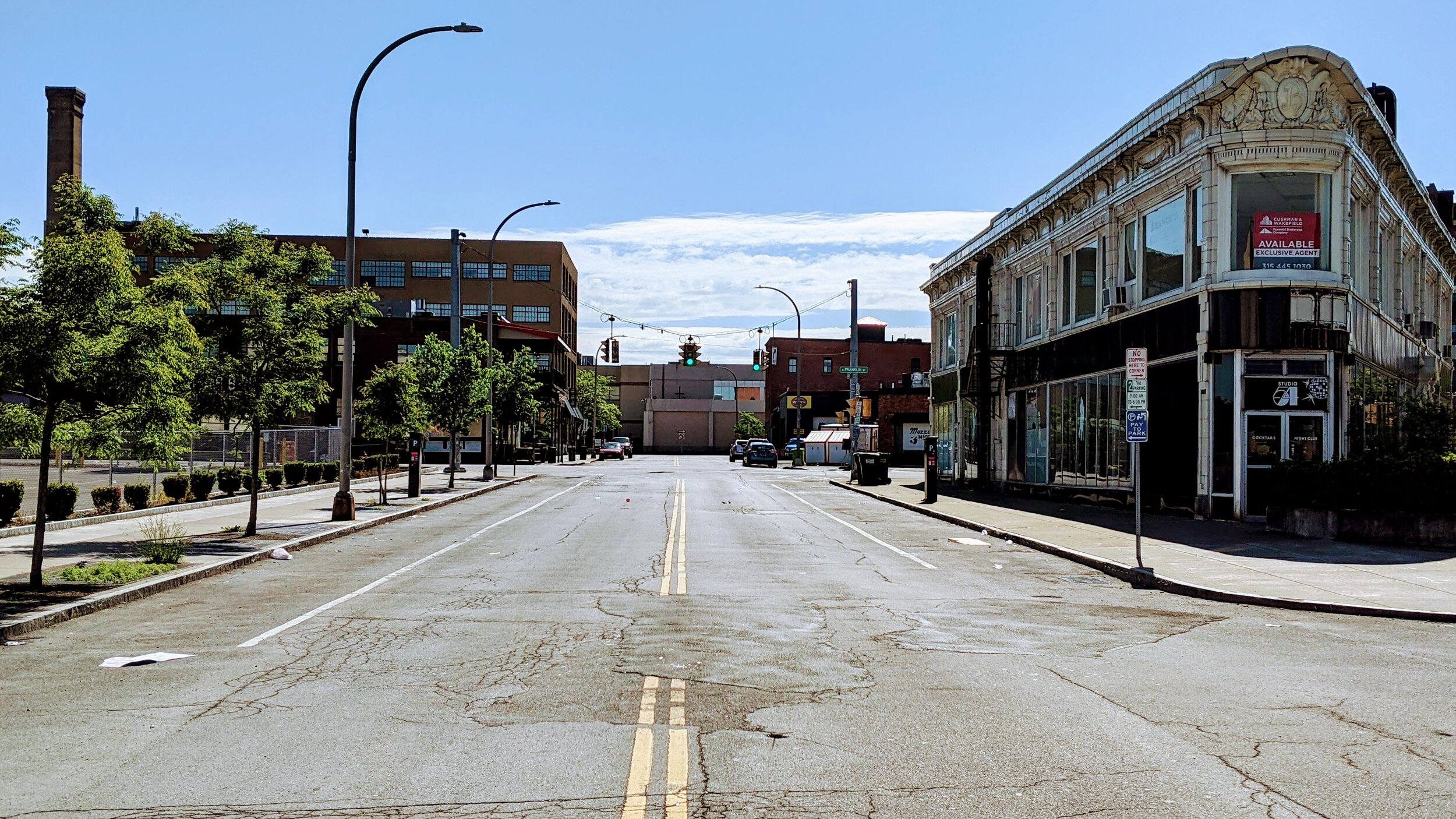
Over the past 10-15 years, Downtown Syracuse has seen a number of its architectural treasures preserved, renovated, and reoccupied, bringing more life back to the city’s center. One outlier of this trend is the Byrne Square on West Genesee Street and Franklin Street. While its basement is occupied by Studio 54, the rest of the building remains vacant, with remnants of its dance studio past evident all around; large mirror walls, barres, wooden floors, and a large billboard on top advertising “License to Dance - Arthur Murray.”

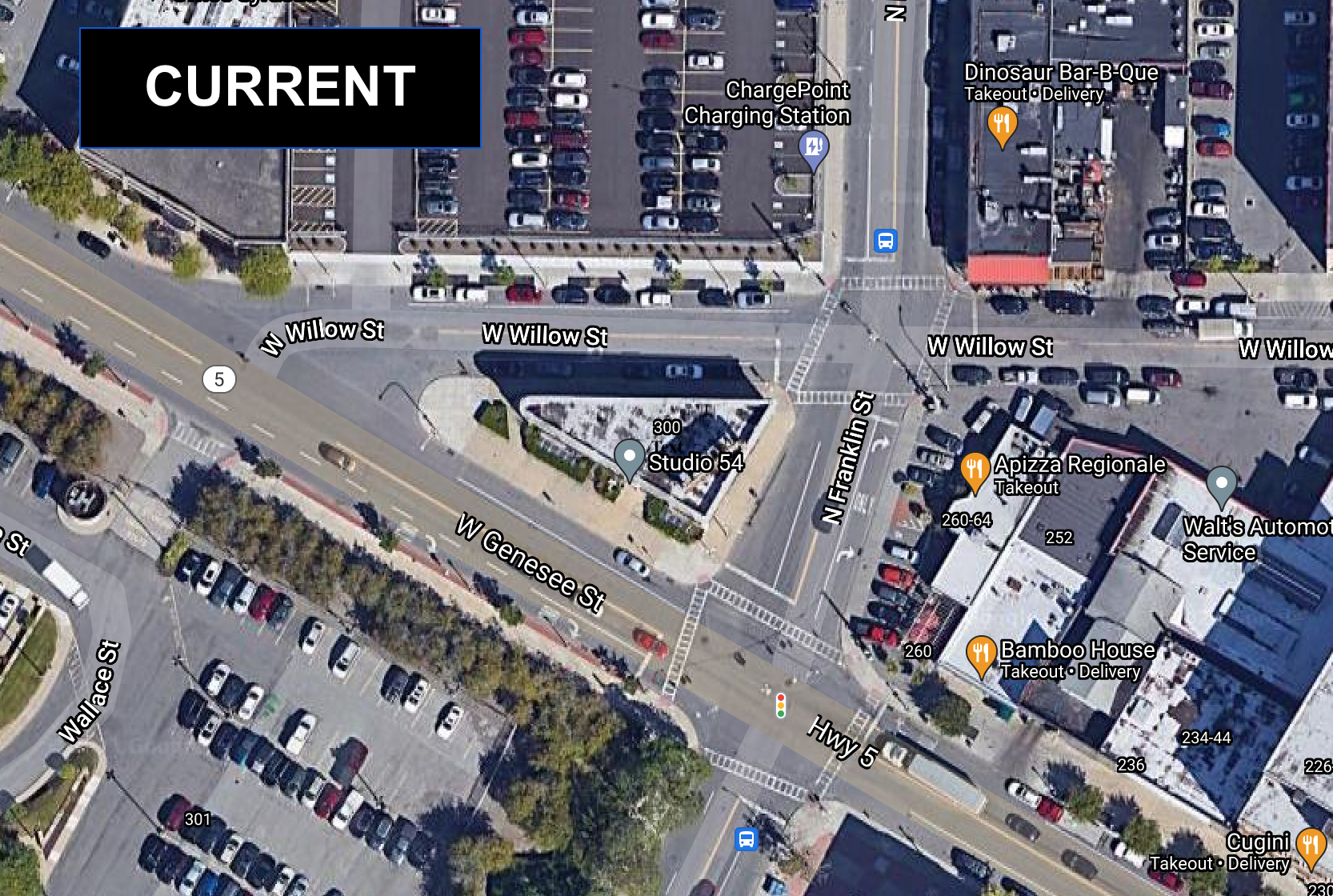
Some would argue that this building suffers from a lack of parking, with most street spots already taken up by Dinosaur BBQ and Apizza customers, but in many ways the availability of this parking is what hinders this space. West Willow Street, which borders the triangular building to the north, is rarely used for traffic, and the little traffic that does come through is often drivers looking for a shortcut, leading to high speeds and little awareness of their surroundings. Parked cars often back up to the corners, even with parking restrictions in place, causing poor visibility for people on foot. The western intersection, over 100 feet wide, has no crosswalk and any traffic turning onto the street often picks up speed to avoid oncoming traffic. 

Here, there are a few solutions to improve the appeal of this location and make it safer to access. 

Byrne Square Aerial.png
Byrne Square Aerial Option 1.jpeg
Byrne Square Aerial Option 2.jpeg
Byrne Square Aerial Option 3.jpeg
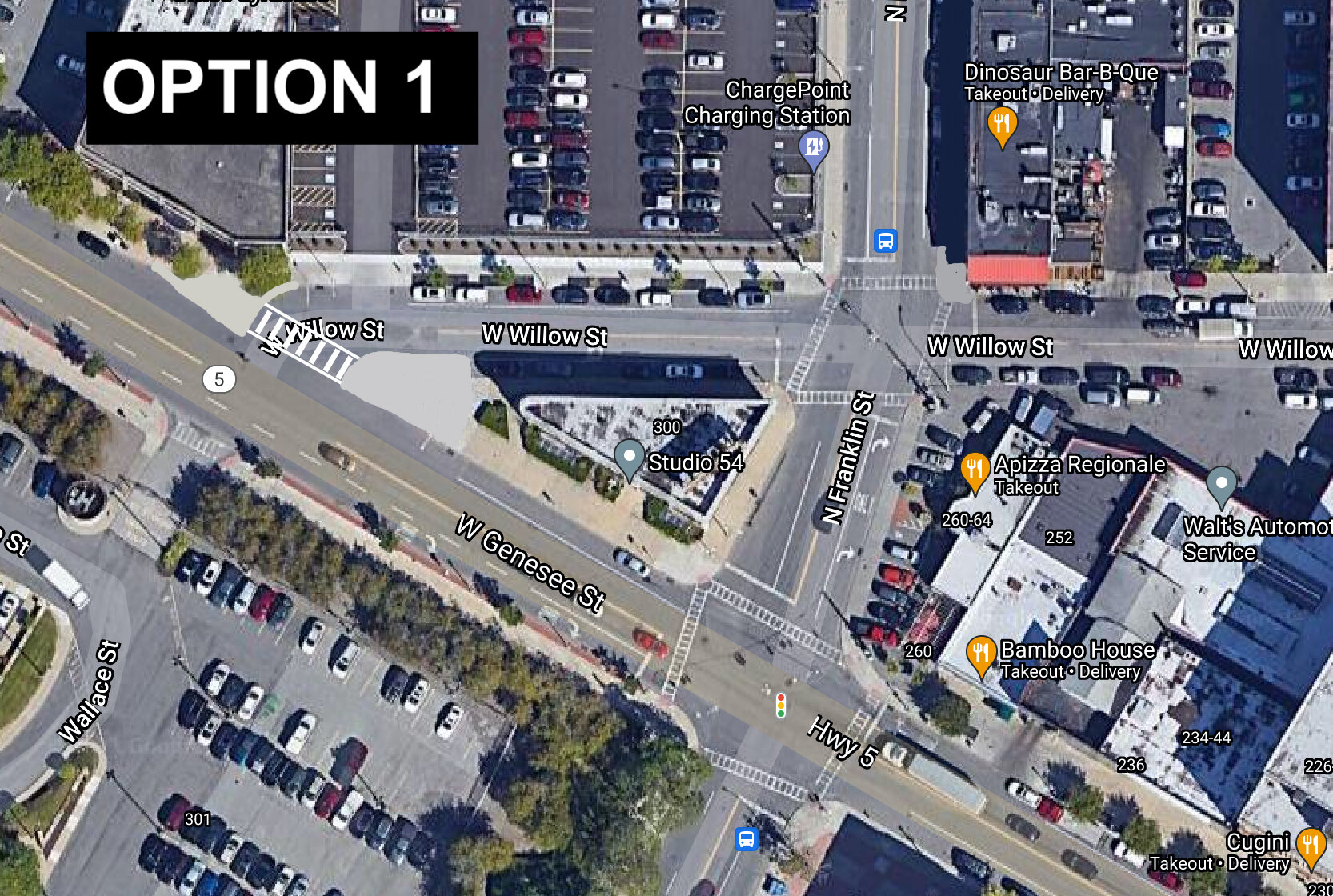
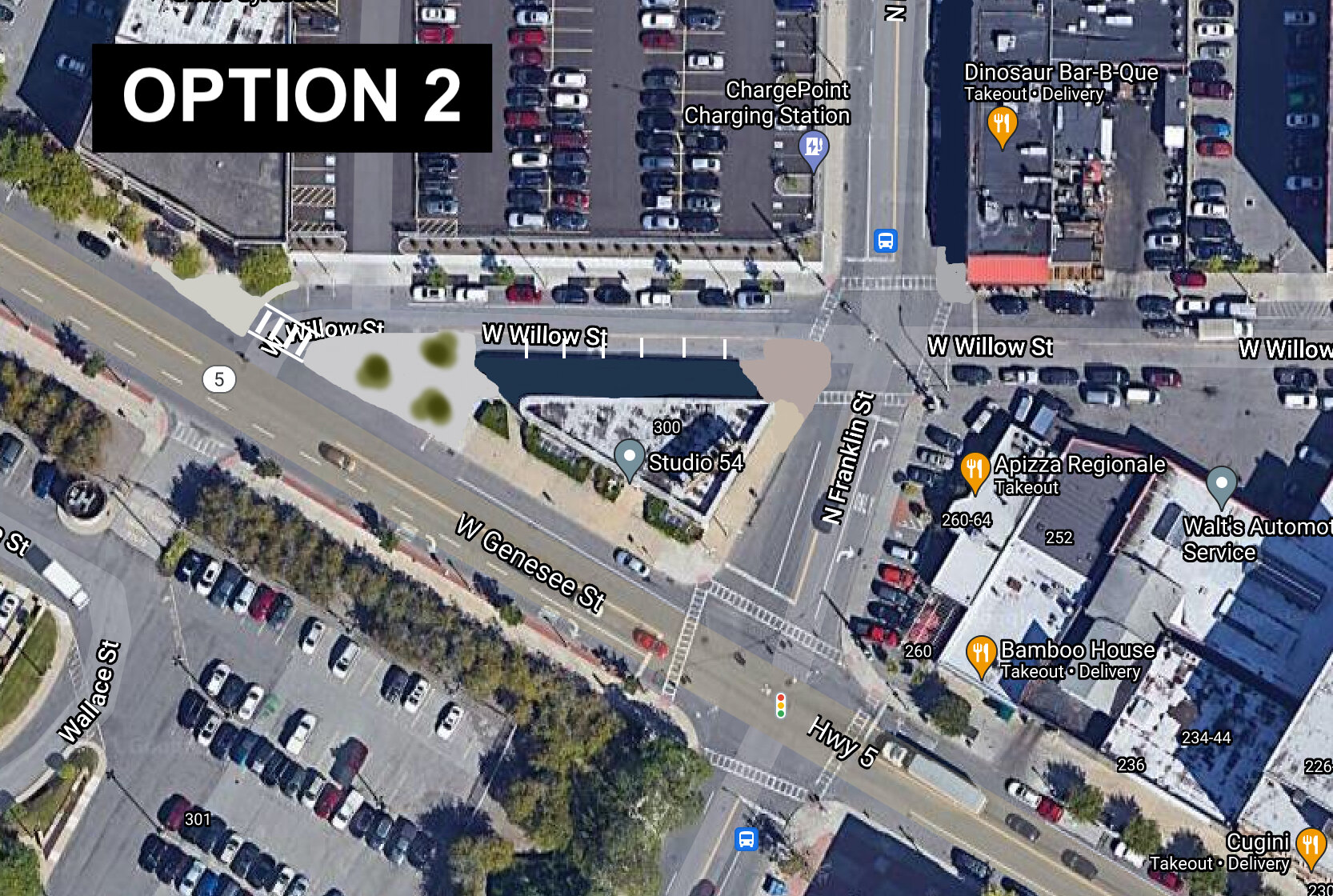
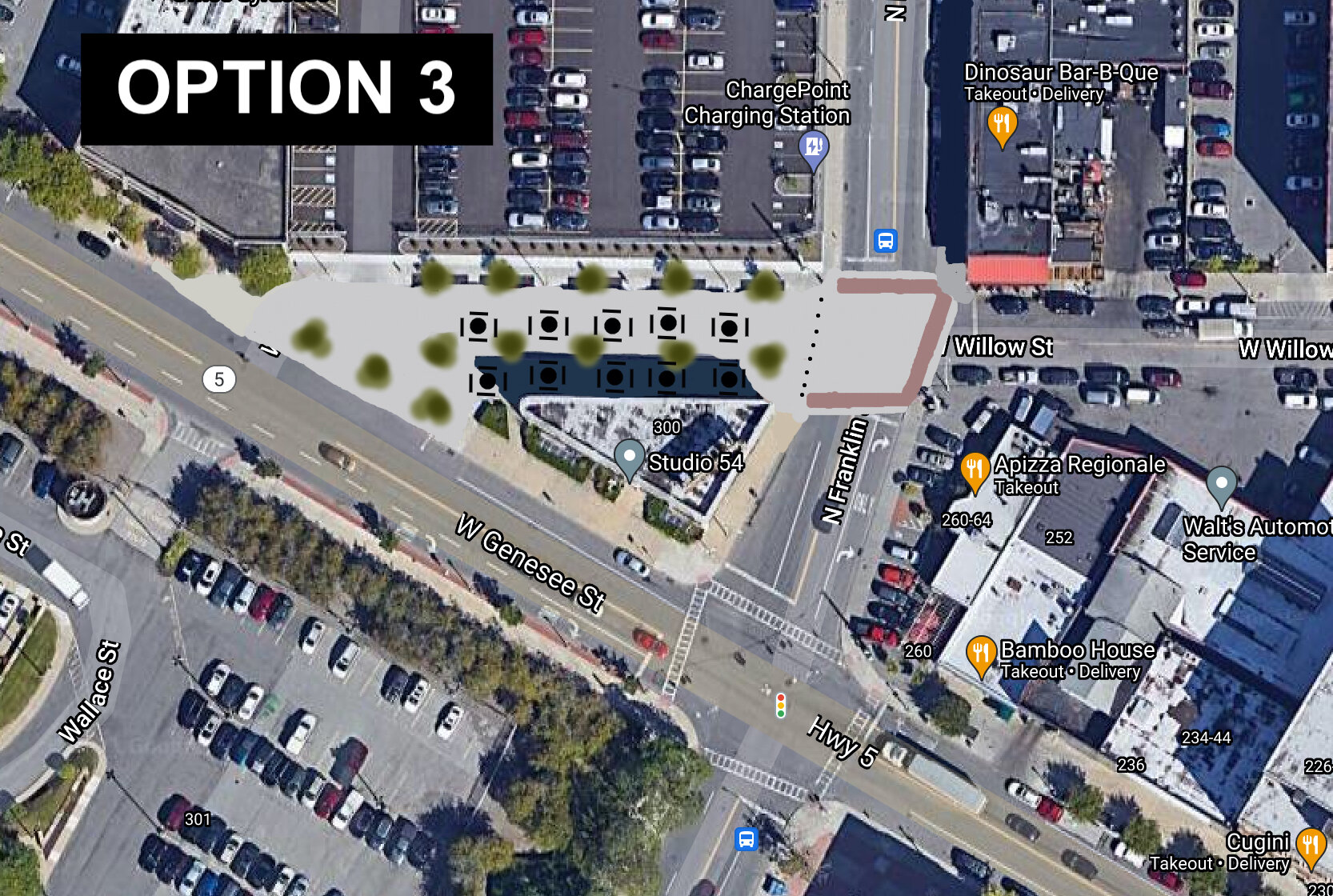
Byrne Square Aerial.png Byrne Square Aerial Option 1.jpeg Byrne Square Aerial Option 2.jpeg Byrne Square Aerial Option 3.jpeg

The first, and probably less controversial option, extend the sidewalk and have West Willow Street square off with West Genesee Street. This would require drivers turning onto the street to slow down to make the turn instead of continuing on at the same speed. This would also provide shorter distances for people to walk across, making walks from the nearby Creek Walk more pleasant and appealing, as well as provide extra sidewalk space for outdoor dining opportunities. Utilizing bump outs at each corner would also prevent cars from blocking crosswalks and sight lines, making it safer to cross.

The second option is to make West Willow Street into a one-way street heading west and squared off as discussed above. This alone prevents some of the faster moving vehicles from turning onto the street from West Genesee, while also providing opportunities to expand the sidewalk, add in bike facilities, and create a more welcoming place to walk to hang out.

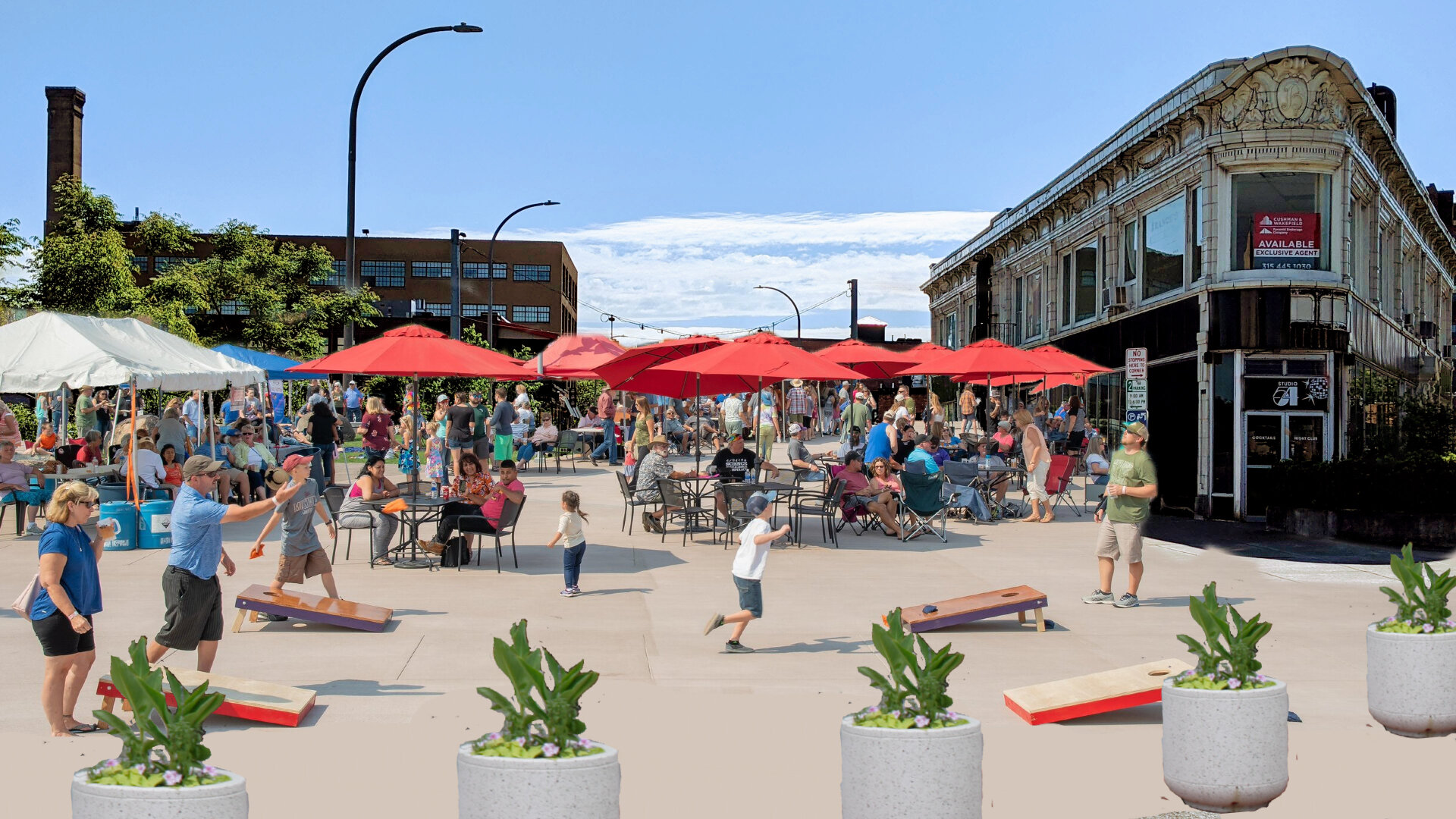
The third, more ambitious option, is to close West Willow Street off from traffic. Remake the street as a pedestrian plaza and allow a new building tenant to control the space, creating significant outdoor dining opportunities, as well as performance spaces. The plaza space should continue down into the Franklin-Willow intersection, functioning as a raised intersection, a significant traffic calming measure that would fit perfectly in a space surrounded by popular bars and restaurants.

PXL_20210531_140331451.jpeg
Byrne Square After.jpeg
PXL_20210531_140331451.jpeg Byrne Square After.jpeg

All of these options options should be paired with expanded sidewalks around Dinosaur BBQ, a place that consistently has lines outside the door on a narrow strip on concrete, and Apizza, which currently forces people to walk around cars parked in the space a sidewalk should be. It may also be worth exploring partnering with the parking lot that makes up the fourth corner of this intersection. The lot sees heavy use during traditional work hours Monday thru Friday, but very little use at night and on the weekends. Using this as a share space for the restaurants’ customers at night would help lower the competition for on-street parking and allow that space to be used for other things.

Finally, time to consider what type of business make work well in this space. With Dinosaur BBQ, Apizza, Press Room Pub, and Trexx Night Club within an easy walking distance, Byrne Square could become the third major dining/nightlife spot in Downtown Syracuse. Hanover and Armory Squares benefit from the close proximity of multiple bars and restaurants with relatively slow vehicle traffic. Part of this is thanks to narrowed streets and some street closures. Byrne Square could be the missing piece that uplifts this entire district.

Considering the uniqueness of the building, and its history as a dance studio, Byrne Square has the potential to become a unique bar/restaurant experience where each floor has its own theme and vibe. This is similar to the concept of Tequila Cowboy in Pittsburgh, which is home to four different bars that are interconnected (country, karaoke, modern, and casual). Part of the first floor, where the dance studio used to be, should be turned back into a dance floor and named “Licensed to Dance” to honor the former occupant. The top floor can be used as a casual lounge with views of the city. The basement, currently occupied by Studio 54, could be reinvented as a speak easy or a wine cellar, catering to a more upscale clientele. During the afternoon and early evening, lunch and dinner can be served indoors on the dance floor and out on the newly expanded sidewalk/plaza area, while dining can continue at night on the top floor with snacks provided in the speak easy/wine cellar in the basement.

With or without following my suggestion on how to bring the Byrne Square building back to life, the improvements on the street will give the building a real chance at reinvention while lifting up the surrounding buildings as well. Reclaiming space for people instead of cars is how you build a stronger Downtown and Byrne Square is some of the lowest hanging fruit in the Syracuse area.

In Syracuse, Walkability, Urban Planning
Comment
Transforming a parking lot into a public space and bringing back some of the street wall would create a more inviting environment for people to walk and spend time.

Transforming a parking lot into a public space and bringing back some of the street wall would create a more inviting environment for people to walk and spend time.

A Friendlier Entrance into Downtown Syracuse

May 12, 2021

Downtown Syracuse is surrounded by a ring of highways and a sea of parking lots, separating it from the urban neighborhoods that surround it and prioritizing accessibility from the suburbs. Walking or riding a bike into Downtown is unappealing and can be dangerous. First you’re forced onto narrow sidewalks next to speeding traffic squeezed beneath low highway bridges. You emerge into large expanses of asphalt used for car storage with frequent curb cuts forcing you to interact with cars entering and exiting. Once you’re into the Downtown core, walking becomes a more pleasant experience, with mostly human scale architecture and a mixture of uses that encourage people to interact. If you’re coming or going at night, the walk into Downtown is even worse with the poor lighting conditions under the overpasses.

For Downtown Syracuse to truly thrive, we need to improve the experience of arriving on foot and reconnect it with the rest of the city. A good place to start is North Salina Street.

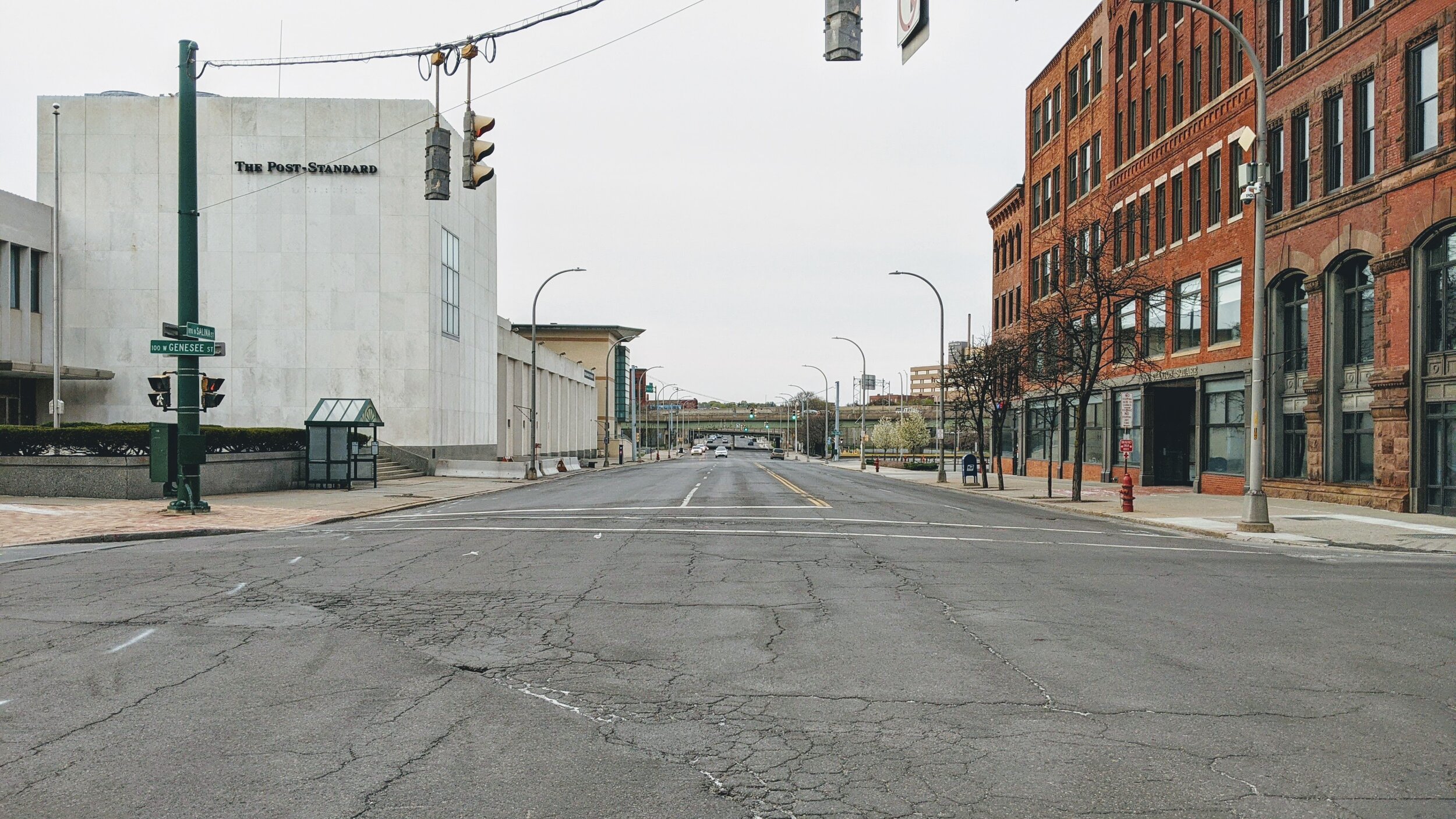
With a right-of-way over 100 feet wide, North Salina Street is daunting to cross at times. The wide travel lanes encourage vehicles entering the city off of the highway, or just further up the street, to speed into the center of the city, especially when the lights line up in a “green wave.” In order to create a safer, more accessible entrance to the city you must start by taking away space from cars, and I do believe there is plenty of space to take away without impeding traffic.

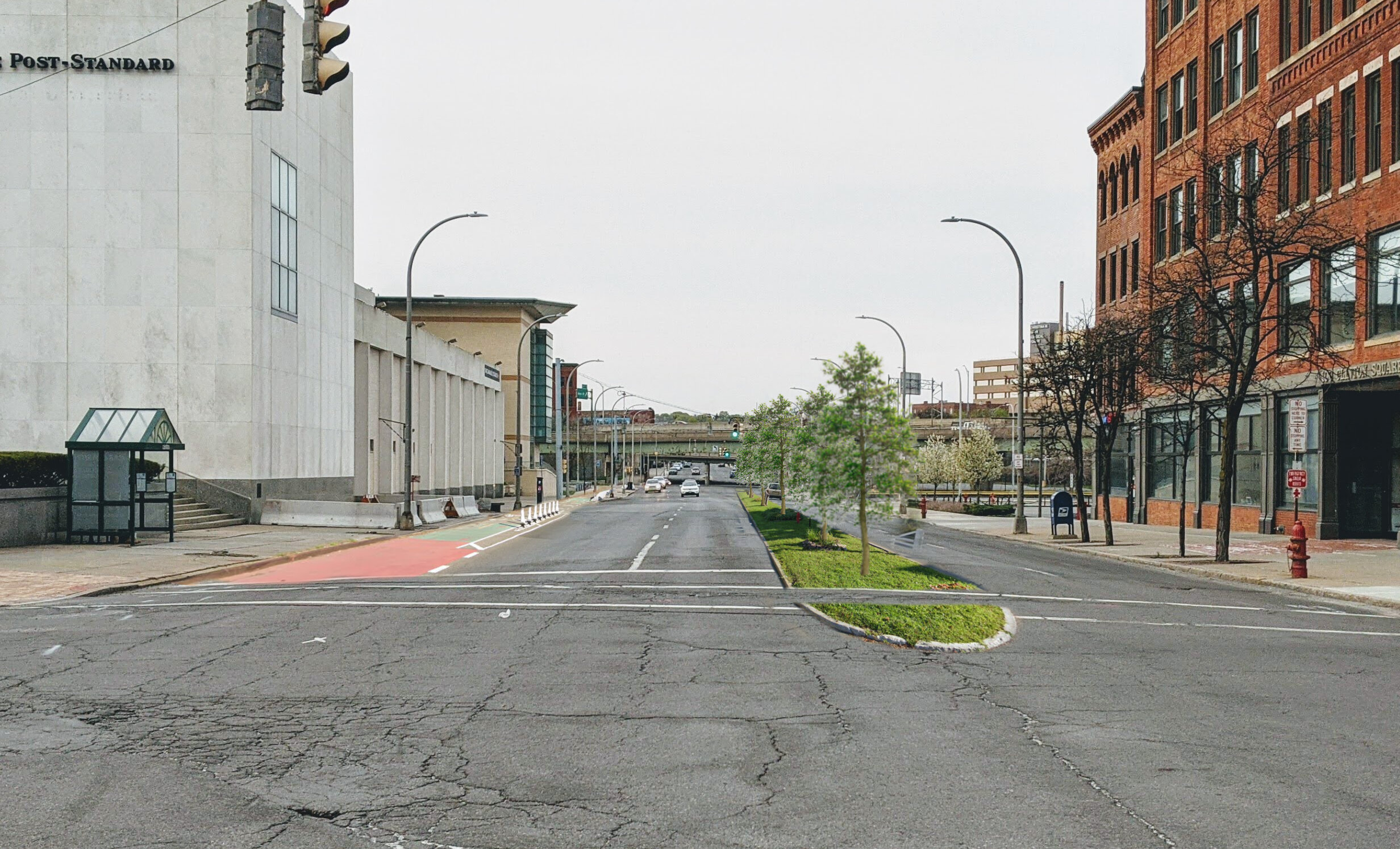
N Salina looking north present.jpg
N Salina looking north future.jpg

Removing one travel lane, converting the third lane to an alternating turn lane, and narrowing each of the remaining lanes to 10 feet would provide ample room for increased pedestrian and bike facilities. A pedestrian refuge island, filled with trees and grass, would not only shorten the distance people need to cross all at once, but it would also force drivers into wider, safer turning movements. In addition, the greenery placed in the pedestrian island would function as a placemaking tool, alerting drivers that they are now entering a space where they are a guest. This can be reinforced by utilizing raised crosswalks along the entire street, slowing traffic and providing increased visibility and mobility to people walking.

You also end up with enough space for a protected two-way bike lane, ideally on the western side of the street due to the presence of fewer curb cuts and intersecting streets. Salina Street is one of the flattest roadways in the entire city and runs its entire length. While a bike lane the entire length may not be feasible, or desirable, providing a safe entrance into Downtown Syracuse from the Northside of the city on bike is needed. North Salina Street connects to some of the densest neighborhoods in the city as well as thriving business districts, a prime location for this sort of connection.

Office Parking Lot.jpg
Office Parking Lot future.jpg

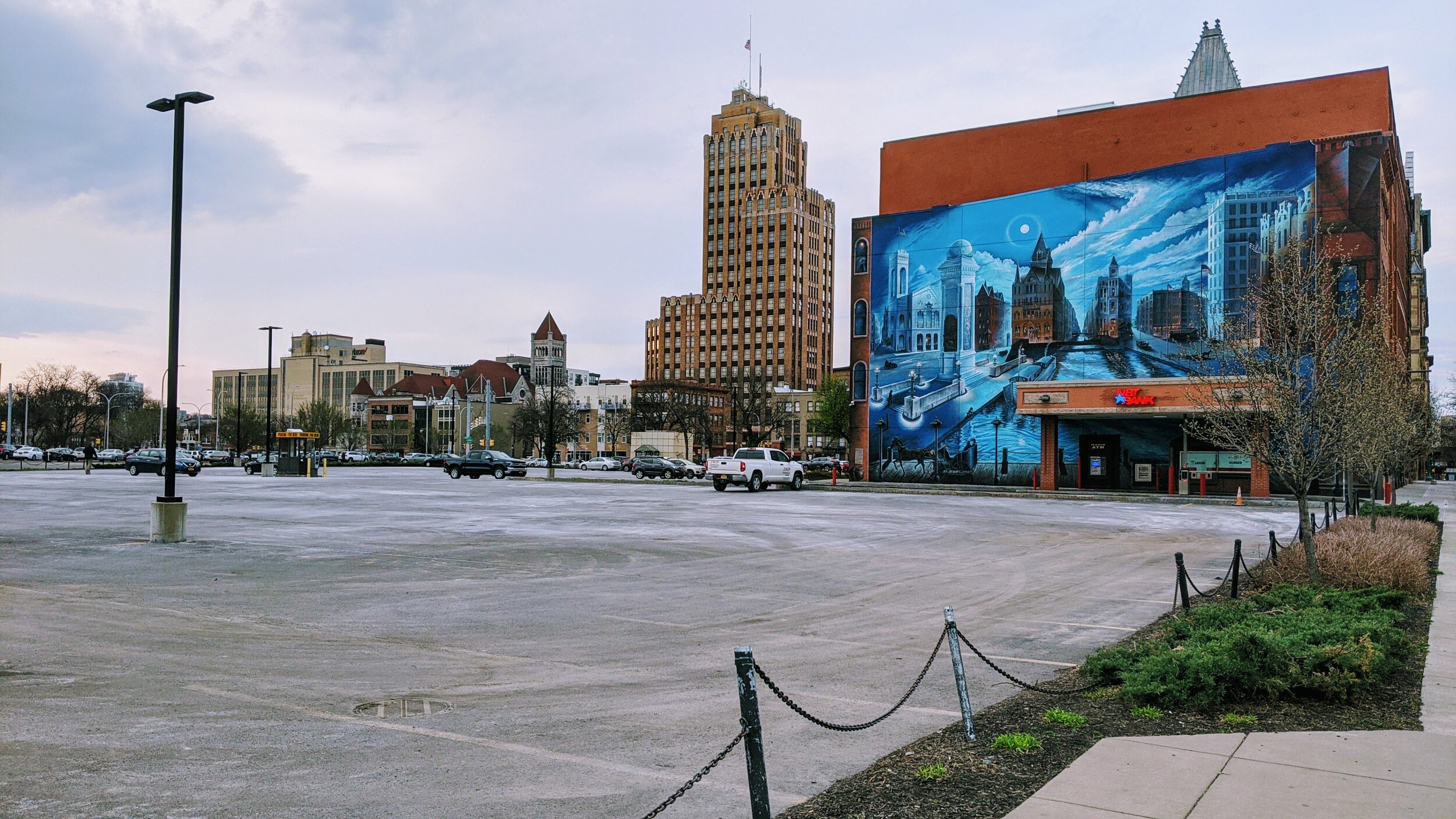
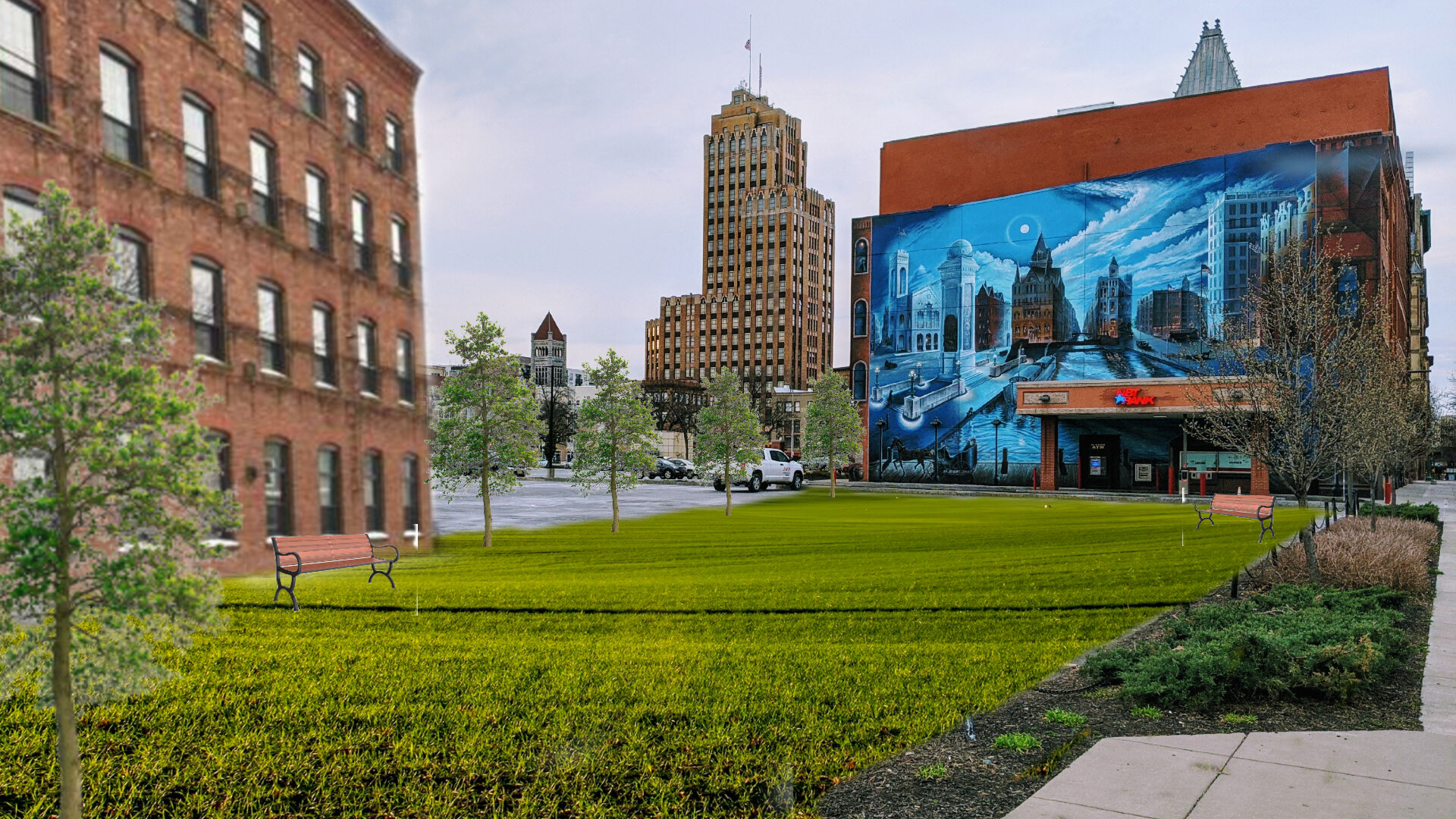
Once we narrow the roadway and provide additional space for people on bikes and foot, we need to look at reusing an abundance of asphalt in the area. As you enter Downtown from North Salina Street you are greeted with one of the best murals in the city, showcasing a night scene of the Erie Canal, yet you only get to appreciate it as you pass by or park your car beneath it. Instead, this space should be transformed into a simple park with trees and benches. Beside the park we should look to add a three-to-four story building with commercial space on the first floor and apartments above. Currently, two historical buildings have been renovated in this area with similar layouts, but continue to struggle to attract commercial tenants. One of the biggest issues they have is that they’re not part of a place. They’re stranded in a sea of parking that no one wants to cross. If a bar or restaurant opened here they would struggle to attract customers because they’re removed from the foot traffic of nearby Hanover Square. To benefit these buildings, and connect this part of Downtown with Hanover Square and Little Italy, some infill development is needed. Creating a cohesive street wall invites people to walk in this area. Coupled with the park and mural, this space becomes attractive to visitors and doesn’t feel secluded anymore.

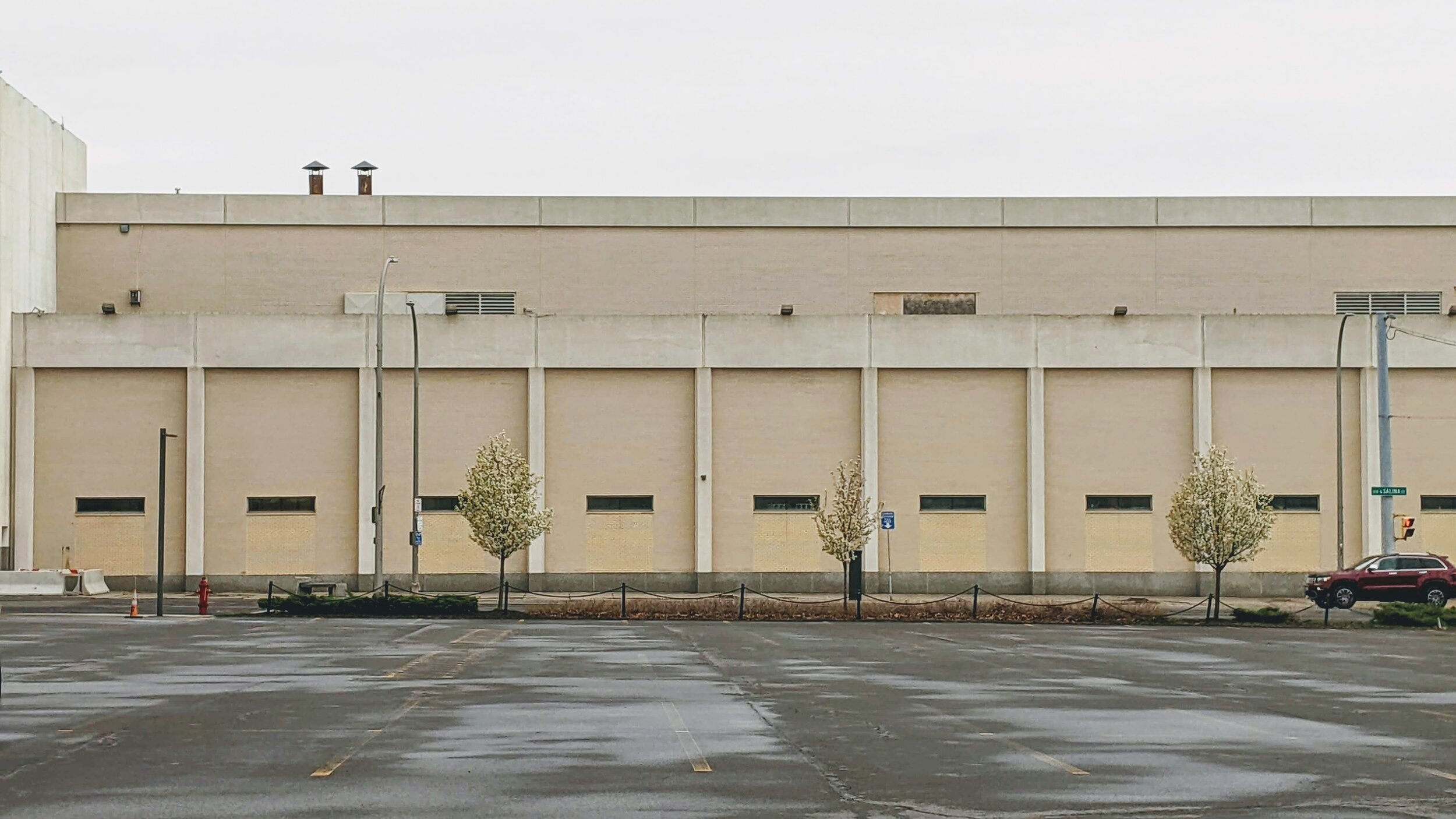
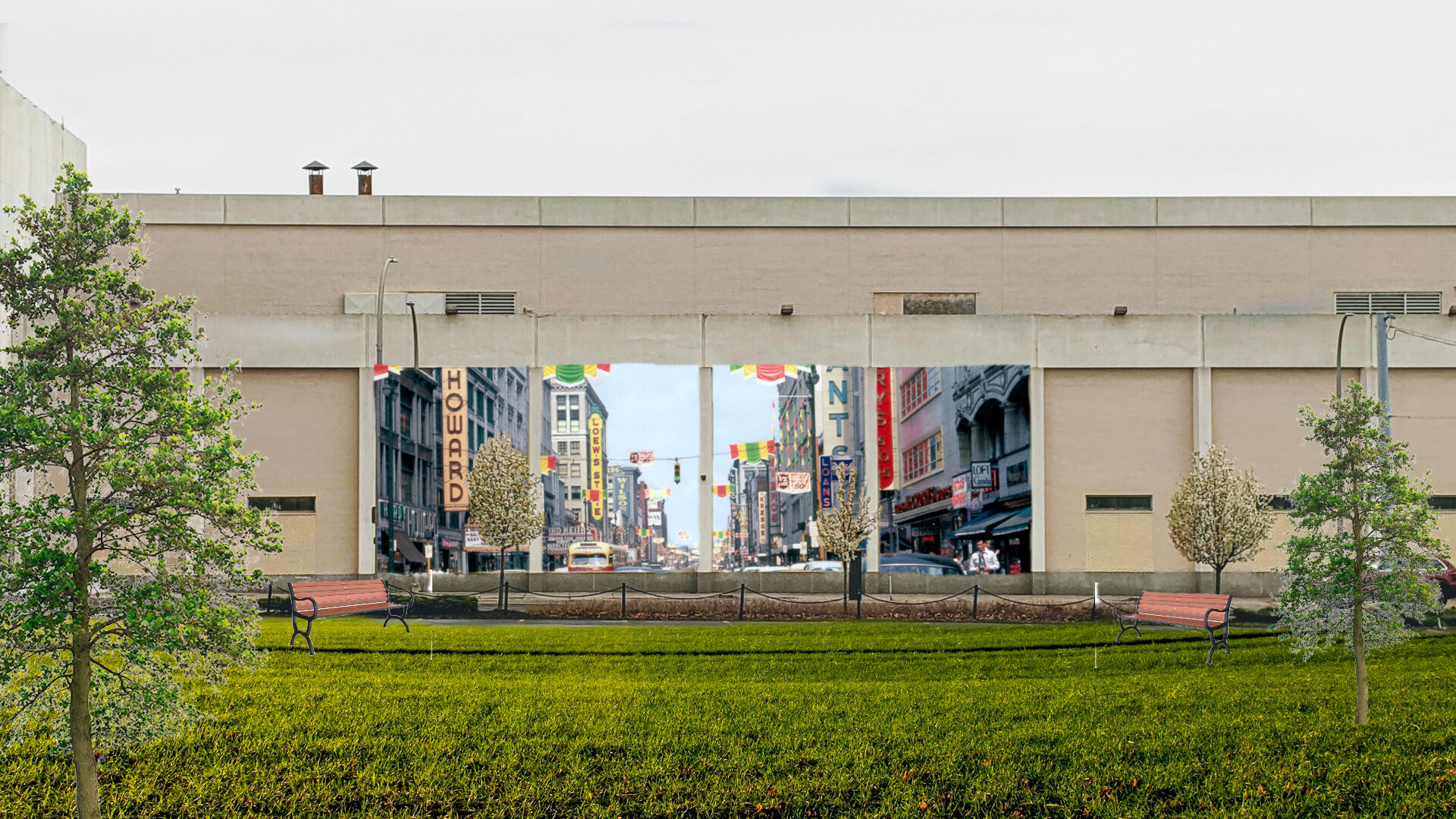
One more piece of the puzzle in this area is the old Post Standard building. While there are plans to redevelop the building, a large portion that contains the printing press and loading dock will remain. This portion of the building, with its bland tan brick walls and tiny windows, creates a drab experience when walking near it. At the same time, it provides an opportunity to tie it into the history of the neighborhood. A simple way to improve this experience is to paint a complimentary mural along the facade. As a personal preference, I feel a mural depicting the 1950s hustle-and-bustle of Downtown Syracuse, especially along Salina Street, would help show the progress of the city over the years and how we continue to evolve. The new mural would surround people with art and history, making the new park a prime location for anyone looking to relax and enjoy the surroundings. 

Post Standard present.jpg
Post Standard future.jpg

Combined, these changes would be a game-changer for this area. These few blocks would no longer be dedicated to the movement and storage of cars, but instead be refocused on people. Walking and biking would now be invited and encouraged. Extra lighting from the new infill buildings, improved lighting up and down the street, and the eventual removal of some of the overpasses through the I-81 project would make the space more accessible at all hours of the day.  We end up with a friendlier entrance for Downtown Syracuse; an entrance it deserves. 

In Syracuse, Urban Planning, Transportation, Walkability
Comment
← Newer Posts Older Posts →

Recent posts

Featured
PXL_20241010_211844719.jpg
Jan 30, 2026
Let's Do Good
Jan 30, 2026
Read More →
Jan 30, 2026
PXL_20250830_182821521.jpg
Sep 15, 2025
Urbanism Lessons from the Great White North
Sep 15, 2025
Read More →
Sep 15, 2025
Carousel.jpg
May 27, 2025
Destiny USA and the City
May 27, 2025
Read More →
May 27, 2025
PXL_20240805_141743149.jpg
Jan 1, 2025
All Cities Are Beautiful
Jan 1, 2025
Read More →
Jan 1, 2025
PXL_20241005_135224129.jpg
Nov 6, 2024
A Healthy Future for the Regional Market
Nov 6, 2024
Read More →
Nov 6, 2024
PXL_20240728_191254239.jpg
Jul 31, 2024
Renters Matter, Too
Jul 31, 2024
Read More →
Jul 31, 2024
Vista view.jpeg
Mar 21, 2024
The Valley of the Sun - A Land of (Sub)Urban Extremes
Mar 21, 2024
Read More →
Mar 21, 2024
Manlius Cinema.jpeg
Jan 31, 2024
The Movie Theater at the Urban Core
Jan 31, 2024
Read More →
Jan 31, 2024
Clinton Square Christmas Tree at night.jpeg
Nov 30, 2023
The Case for a Holiday Village
Nov 30, 2023
Read More →
Nov 30, 2023
PXL_20230817_220739294.jpg
Oct 31, 2023
The Walk: To Middle Ages
Oct 31, 2023
Read More →
Oct 31, 2023
Ballpark.jpeg
Sep 7, 2023
The Walk: To the Ballpark
Sep 7, 2023
Read More →
Sep 7, 2023
PXL_20230813_213112525.jpg
Aug 14, 2023
The Walk: To Tipperary Hill
Aug 14, 2023
Read More →
Aug 14, 2023

Powered by Squarespace