• Blog
  • Blog Index
  • Video Work
  • About
Menu

Thomas Bardenett

Urban Planning - Writer - Filmmaker
  • Blog
  • Blog Index
  • Video Work
  • About
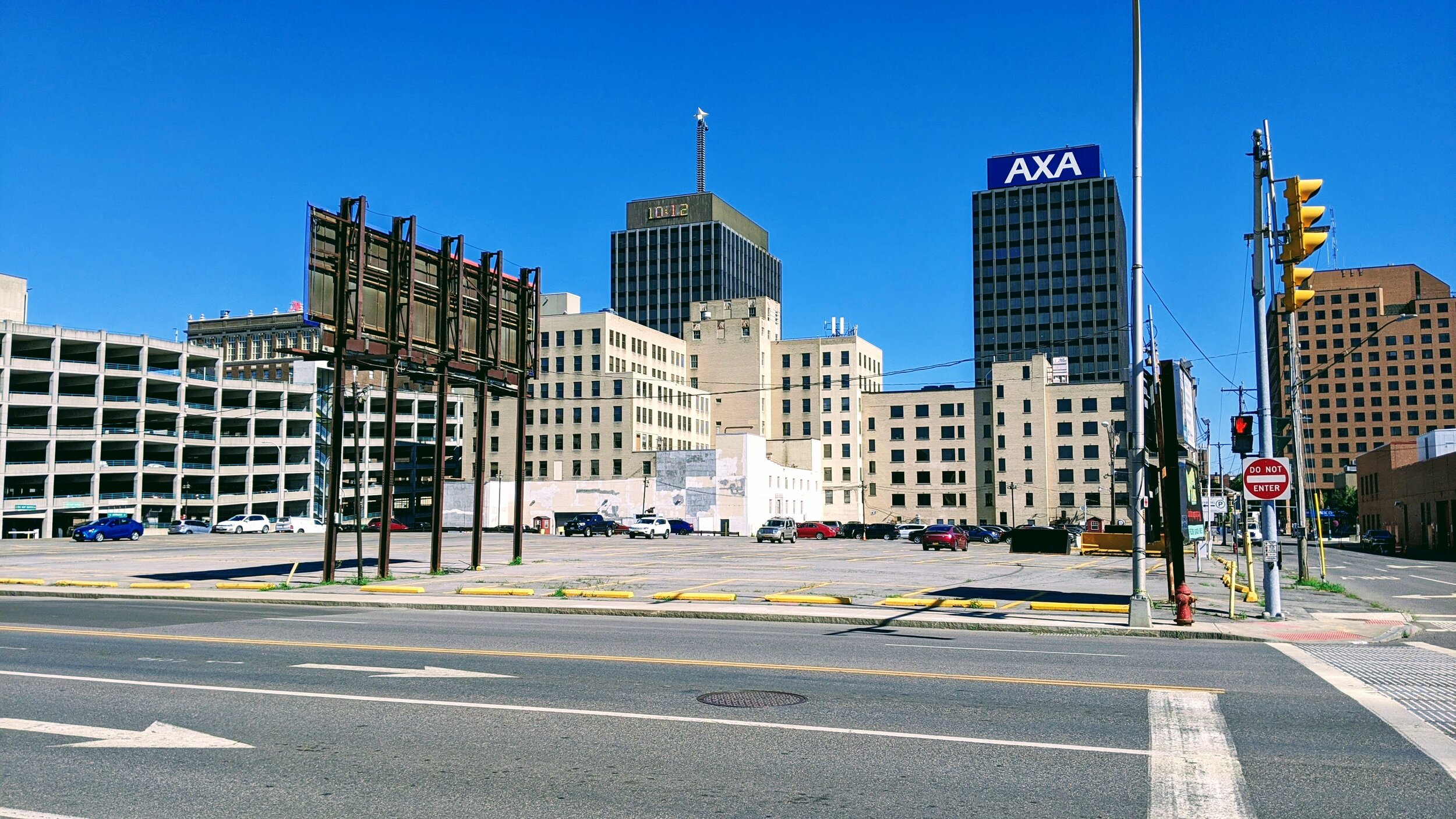
One of the many parking lots wrapping around Downtown Syracuse

One of the many parking lots wrapping around Downtown Syracuse

Downtown Is Still Built For Cars and Minor Ways to Begin Shifting the Balance of Power

March 18, 2021

Downtown Syracuse, like so many other downtowns across the country, is considered one of the most walkable places in the community. Wide sidewalks, frequent crossings, stores, restaurants and bars, and varied architecture throughout help make it an inviting place to walk around and enjoy the day. Even with so many of these factors favoring walkability, it is impossible to ignore that cars remain dominant within the neighborhood.

First, let’s begin with the obvious - Downtown Syracuse is an island surrounded by parking. Chapter 5 of the Preliminary Draft Environmental Impact Statement for the I-81 construction project showcased the map below which identifies all of the parking structures in and around Downtown Syracuse.
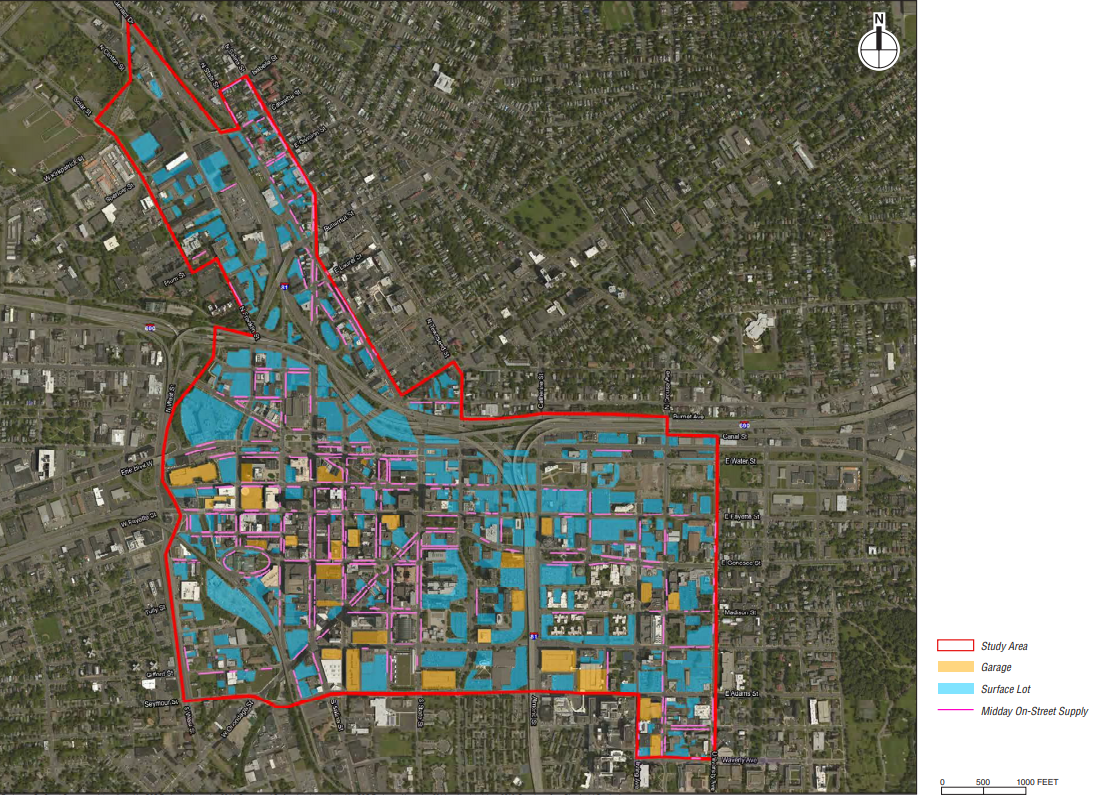
Parking infrastructure map from the I-81 PDEIS

Parking infrastructure map from the I-81 PDEIS

Looking at this map it quickly becomes apparent that the vast majority of space in the Downtown area is devoted to the storage of vehicles. Some will argue that this parking is needed for all of the workers, residents, and visitors that the area attracts, yet we don’t seem to have the same interest in providing this sort of access for people traveling on bike or on foot. In fact, if you look at the most recent Bike Suitability Map from SMTC you’ll notice that there are very few ways to enter Downtown safely on a bike. Crossing under highways and railroad bridges, competing with off ramps where drivers maintain their highway speeds, it is often dangerous getting into this central area. Just recently a cyclist was hit near a highway on-ramp and was sent to the hospital in critical condition.

Screenshot of the Interactive Bike Suitability Map from SMTC

Screenshot of the Interactive Bike Suitability Map from SMTC

There has been movement to improve access to Downtown Syracuse on bike, with the Empire State Trail and the Creek Walk both improving navigation and safety for riders and pedestrians, but there is room for improvement. Some of the infrastructure that has been built is extremely high quality, including a protected bike lane on the service road of West Street and in one direction on Water Street (although winter upkeep still needs improvement), while others leave plenty to be desired. Sharrows through Clinton Square lead to a path that’s blocked off for nearly half of the year due to the ice skating rink, while a bike path just west of the square is up on the sidewalk, forcing pedestrians and cyclists to share in already limited space. The roadway west of Clinton Square could’ve removed some parking spaces creating enough room for a protected bike path in both directions.

Improving upkeep in the winter and adding additional painted lanes around known yearly obstructions would help increase the usefulness of this trail, both to visitors and, more importantly, residents. Still, these lanes are major improvements and begin to give back some space to non-car uses.

View fullsize Protected Bike Lane on Water Street
Protected Bike Lane on Water Street
View fullsize Snowed In Protected Bike Lane
Snowed In Protected Bike Lane
View fullsize Blocked Bike Lane in Clinton Square
Blocked Bike Lane in Clinton Square
View fullsize Sidewalk Bike Lane
Sidewalk Bike Lane

While bike infrastructure is slowly improving, pedestrian infrastructure should not be overlooked. Downtown Syracuse has wide sidewalks that make it enjoyable to walk around with friends, with people rarely having to walk in a line behind one another as you go. Even then, there are still signs that pedestrians aren’t in control of this space.

At times sidewalks must be blocked off for various purposes, due to damage or construction, with barriers put up to prevent people from using them. Often these occur in the middle of a block, far from an intersection. Some people will cross the street quickly, or just walk in the street for a bit, which puts their well being at risk. On the other hand, disabled individuals are not provided a way to make either of those decisions. In other cities orange barriers are often rolled out to carve out a pedestrian path, allowing pedestrians to stay on the same side of the road safely, while also building temporary ramps to assist those with disabilities. Simply requiring construction crews or building owners to provide this path can help keep pedestrians safer by preventing darting across the street.

View fullsize Salina St sidewalk blocked.jpg
View fullsize Warren St Jersey Barriers.jpg
View fullsize Warren St Parking Garage w Light.jpg
View fullsize Warren St Parking Garage w:o Light.jpg

But let’s get back to parking for a moment. While parking lots dominate the downtown area, and will be discussed in more depth in a later post, parking garages serve up their own issues for pedestrians. Garages by nature utilize very compact designs, attempting to squeeze ramps and entrances in where they can while providing the most parking as possible. Due to some of these designs, sight lines when entering and exiting a garage can be reduced significantly. Some garages work to slow drivers down before they exit by placing their automatic arms closer to the opening, ensuring that the vehicles stop and have time to see. Others have no such barrier near their exits, allowing cars to quickly rush out. While most garages make use of fish-eyed mirrors to help with bad sight lines, they are only useful if the driver is moving slow enough to take in what they are showing.

One particularly bad garage is located on Warren Street (above). The garage makes use of a singular ramp for both entering and exiting, with a green light near the exit to warn incoming vehicles. As Warren Street is a one-way street, the light only faces in one direction, making it essentially useless for pedestrians coming in the other direction. The ramp’s tight fit makes it difficult to see into, and makes use of no devices to slow drivers down as they exit. Due to this, driver’s rarely have time to see whether a pedestrian is coming or not, and the pedestrian has little time to see the car approaching.

One approach that should be taken whenever a car is meant to enter a pedestrian space, such as a sidewalk, is the raise it up. Too often we make use of curb cuts, lowering the sidewalk down to meet the roadway, instead of forcing cars to come up into the pedestrian space. By forcing cars to make that movement, their speed decreases and alerts them to the fact that this is not a space meant for them. The YouTube Channel Not just Bikes has produced an excellent video on this topic (below).

Now there is much more we can do to change this dynamic. Throughout the spring I will be writing about more dramatic ideas of how to change our use of streets in Downtown Syracuse. To create change we need to stop considering how our streets and sidewalks are currently used, but instead think of what we would like to see. The minor changes discussed in this post are to help improve things immediately, along with some of my other pet peeves, but we should also think more radically about what the future should be.

In Transportation, Urban Planning, Syracuse
Comment
Centro bus running through Downtown Syracuse in December 2020

Centro bus running through Downtown Syracuse in December 2020

The Key to Freedom Doesn't Have Four Wheels

January 3, 2021

Most Americans have grown up in a society where the car is the ultimate symbol of freedom. Films, television shows, and commercials showing characters hitting the open road, rarely running into traffic, and, somehow, always finding a parking spot right in front of their destination. At the same time characters who ride a bike or the bus are often people without options or at rough points in their lives.The story we’re told over and over again is that the only way to have freedom and comfort in our lives is to own our car.

This is one of the greatest lies we have all been told and that most of us buy into. But is car ownership really freedom?

First let’s think about the financial burden of vehicle ownership. AAA estimates that the average annual cost of owning a vehicle is around $9,300, which is ~$773 per month. Of course this differs based on what type of car you buy, from small sedans costing around $,7100 per year and pick-up trucks costing $10,800 per year. For comparison, the median rent in Syracuse, NY for a two-bedroom apartment, as of January 2, 2021, is $968 per month. For most people, owning a car is close to taking on a second rent. For a community with a median income of just over $36,000, over 58% of that income, before taxes, will go toward those two expenses alone, limiting their financial flexibility. 

Cyclists near Syracuse University

Cyclists near Syracuse University

By contrast, let’s consider the costs of cycling and using public transit. Elly Blue in her book Bikenomics states that cyclists spend only $700 per year on transportation, less than the average monthly cost of car ownership. Bike share programs are even more affordable for users. Syracuse’s Sync bikes, which will hopefully return in the spring, had an annual fee of $50, while Citi Bike in New York would run you $180 at full price. If we look at public transit, purchasing a weekly unlimited ride pass in Syracuse, NY costs $20, resulting in an annual cost of $1,040. If you’re in a larger city, like New York, again using the 7-day unlimited pass (which is the most popular pass in the MTA system), it would cost $1,716 per year. But these cost savings only go so far if the bike and transit networks are poor. 

Right now, our built environment is skewed heavily towards cars, subsidizing their use and making it difficult for any other form of transportation to function properly. Even with this bias, car ownership does not equal freedom. If your car breaks down, or is in the shop for any period of time, your access to the city is greatly diminished. You either must rely on rides from others, stay home, or have an additional vehicle (and cost associated with it) at the ready. If you live in a dense neighborhood that relies on street parking, or like to frequent the more vibrant urban areas filled with bars and restaurants, you must build your life around finding parking. I’ve personally found myself refusing to leave my neighborhood after 6pm to avoid losing a coveted parking spot. To me that does not signal any form of freedom, but instead anchors me in place.

While car dependency is not freedom, the current state of transit and bike infrastructure in most of our cities also restricts us. Buses that run once or twice an hour and severely limited bike networks keep many from switching away from car ownership. But this is where we need to focus and where our investments can have the greatest impact.

As I’ve discussed before, frequent bus service, and train service where available, is vital. Knowing a bus arrives every 10-15 minutes allows a rider to show up without needing to check a schedule, with the knowledge that a bus will arrive soon. On major thoroughfares the standard should be even shorter, perhaps 5-10 minutes. Along with this increased service, cities should feel empowered to rethink their transit maps. Many haven’t been updated in decades and no longer reflect where people live or the destinations they frequent. 

Onondaga Count bike network backboneSource: InTheSalt.City

Onondaga Count bike network backbone

Source: InTheSalt.City

Beyond public transit, we should be expanding bike infrastructure across our cities to form true networks. Syracuse and Onondaga County are finally starting to see the backbone of a network appear, aided by the Creekwalk, Loop the Lake trail, and the Empire State Trail. Together these trails help cyclists, and pedestrians, reach many of the major destinations in our region, but still lack connections into neighborhoods. In order to truly improve access there needs to be a network of safe routes that connect up to this backbone. Sharrows will not cut it. Even standard bike lanes often aren’t enough. In order to really encourage bike usage protected lanes are needed. Lanes where parents feel safe letting their kids ride on their own will help shift our mentality away from needing “protective metal boxes” to ship kids around.

While bike ownership requires a much lower investment than vehicle ownership, it often does not allow for complete freedom of movement. Many people feel comfortable riding bikes in nice weather but often try to avoid riding in the rain or snow. With a robust bike share program, someone can choose to ride to their destination while it's nice out and find an alternative way home should the weather change. Grouped together with a frequent and useful bus network, riders can make choices on the fly depending on what works best for them at that moment without worrying about needing to leave their bike anywhere (although Centro buses do have bike racks to accommodate cyclists).

Two riders on Sync bikes on West Street in Downtown Syracuse

Two riders on Sync bikes on West Street in Downtown Syracuse

One additional piece that should be explored more vigorously by cities is the expansion of car share programs. While almost all day-to-day activities can be accomplished without a car, it’s hard to say they don’t come in handy from time-to-time. A car share program would allow for many residents to free themselves from their car ownership while providing them access to one on the occasions where they’re needed. A 2014 parking permit plan in Burlington, VT states that for every car in their car share program, 16 personal vehicles are taken off the road. With a widespread program this could help eliminate hundreds, if not thousands, of cars and free up space for additional transit and bike infrastructure.

When taken all together, a successful network of both public transit and alternative transit options would free people to move about their cities without needing to plan ahead, increasing spontaneity. This isn’t out of reach for cities. With a new presidential administration coming in that seems to understand the importance of transit, expansive programs could be in the works. And it wouldn’t even cost that much.

So, maybe it’s time that we rethink what freedom means to us and invest in projects that truly improve the lives of everyone.


In Transportation, Urban Planning
Comment

Armory Square in Syracuse. NY

Winter Is No Time To Retreat

October 29, 2020

Year after year we find ourselves retreating to our homes as soon as winter sets in. The cold brings us indoors, often with friends and family close together, and we hear constant complaints about the weather. This year, in 2020, we need to fight this urge to do the same. This year we need to reacquaint ourselves with winter and embrace it in order to protect ourselves and to help our communities thrive.

Syracuse, like many cities in the Northeast and Midwest, is looking to embrace outdoor dining and activities in winter like never before. Recently the Onondaga County Executive stated his intent in helping restaurants maintain their outdoor spaces to help reduce the transmission of Covid-19 throughout the community. While this pandemic has increased the importance of this move, we shouldn’t be looking at this as a one-off experience this winter. Instead we should look at this winter as a chance to experiment and build a new relationship with the season that defines Syracuse.

Let’s take a look at Armory Square where the city has successfully implemented an open streets program on the weekends for the last few months. Shutting down these streets have helped restaurants expand their seating to more than make up for the reduced indoor capacity caused by state health mandates. Weekends on these blocks have become more lively than normal and have the atmosphere of a festival at times, showcasing the demand for new open spaces in our urban core. There’s little reason that this program should not be continued throughout the winter with some modifications to help keep people warm.

Heat lamps and coverings can go a long way in creating comfortable spaces for diners to enjoy. Simple barriers, perhaps tents with a couple walls down to block the wind, can create intimate spaces. You can look to New York where many of the curbside dining options that have sprung up have already utilized barriers and coverings to extend their usage through poor weather. Some as simple as plastic walls under tents, or all the way up to intricately themed booths that extend the indoor experience seamlessly outdoors. 

Outdoor dining options around New York City

Currently the only parklet dining options in Syracuse do not make use of any coverings and feel temporary. Adding solid roofs, planters, wood decking, etc., can go a long way in making the dining experience in these parklets feel more cohesive and less vulnerable to the traffic around them. This should be employed on the open streets as well. But while these booths can help extend the dining experience, we should also look to make use of the entire street, keeping it closed to traffic long term.

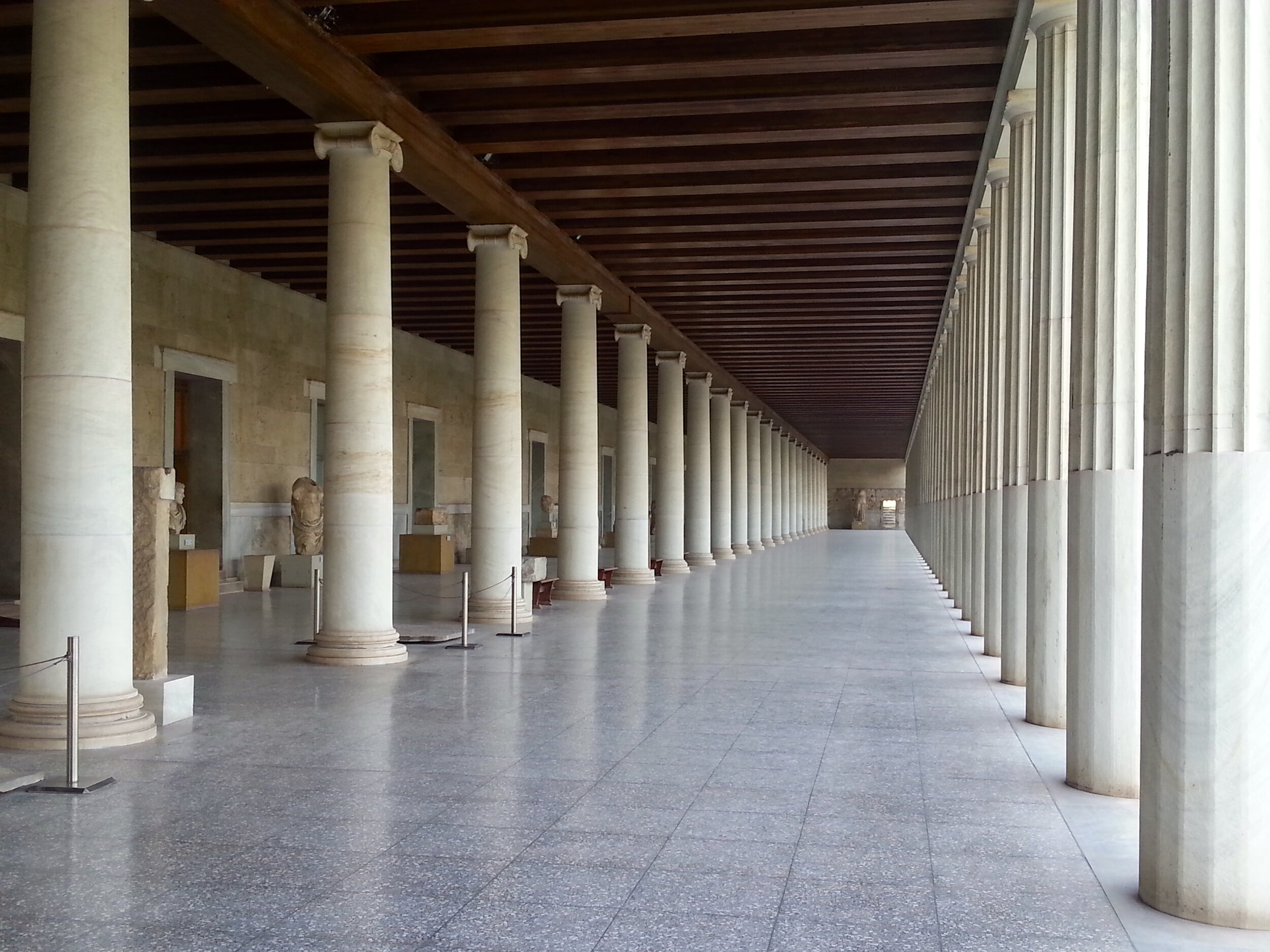
Sidewalk Labs explored the idea of using a modern version of STOA in our urban environments to help protect people in our cities during inclement weather. STOA is a traditional architectural feature of covered walkways, like those in many older Italian and Spanish cities. These walkways make it possible to actively participate in city life without running to our cars for protection. A simplified version of this could be utilized to connect these new dining booths with the buildings, reducing the amount rain or snow reaching the sidewalk while still permitting air flow onto the streets.

View fullsize Classical STOA
Classical STOA
View fullsize Modern STOA from Sidewalk Labs
Modern STOA from Sidewalk Labs

Outside of the dining booths, and in the middle of the street, should be gathering places. Fire pits, Adirondack chairs, tables with heated blankets (as showcased in this City Lab article) surrounded by lights could help create an inviting atmosphere. Combating our desires to retreat inside in winter not only requires us to provide outdoor heat but also to amp up the lighting. Along with these gathering spaces we need to permanently end the ban on unsealed containers in certain areas. Allowing visitors and residents to walk freely between restaurants and bars in specific locations will help keep any one space from becoming overcrowded as patrons feel free to move around instead of laying claim to a single spot. 

These ideas shouldn’t just be kept to Armory Square, but should be used throughout the city. Some restaurants have invested in bubbles around tables, while others, in some European countries, have created mini greenhouses around tables adding to the visual aesthetic of the area. Perhaps its time for Syracuse to open up a permanent rooftop bar and mimic the lighted igloos that have become popular Instagram spots in New York.

For a city that continually wins the title of “Snowiest City in the Country” we should be leading the country on how to embrace winter during this pandemic and beyond. Simple changes and bold decisions can reshape how we feel about this season. Perhaps even turn what many see as a reason to leave the area into one that attracts others to it.

View fullsize Hudson River in Winter
Hudson River in Winter
View fullsize Onondaga Lake in Winter
Onondaga Lake in Winter


In Urban Planning, Syracuse
Comment
IMG_20200816_134103.jpg

To Fight the Climate Crisis We Need: To Start Right Now

August 25, 2020

For the summer of 2020 I will be releasing a series of articles reflecting on some of the things cities, and urban planners specifically, can be advocating and planning for to help in our fight against the climate crisis. These pieces will reflect on our transportation networks, the need for urban living, and protecting our natural resources while bringing them into the city. While these are not comprehensive of everything that needs to be done to turn the tide of this crisis, they will provide a different vision of what our world could be like if we commit to a different form of development.


At times the climate crisis feels too large to tackle with too many pieces that need to be addressed all at once. Many will point to the role of multinational corporations and their outsized impact on the environment, noting that 100 companies have been found to be responsible for 71% of emissions since 1988. They believe that these corporations should be forced to change while changing very little about their own behavior. Yes, those corporations need to be forced to change, but since the biggest culprits are gas giants like Exon and BP, our behavior impacts their decision making. I’ve spent this summer going through big picture ideas of how we can reshape our cities to help fight this crisis, but for the last piece in this series I want to focus on a few specific things we can do right now that will get us on our way.

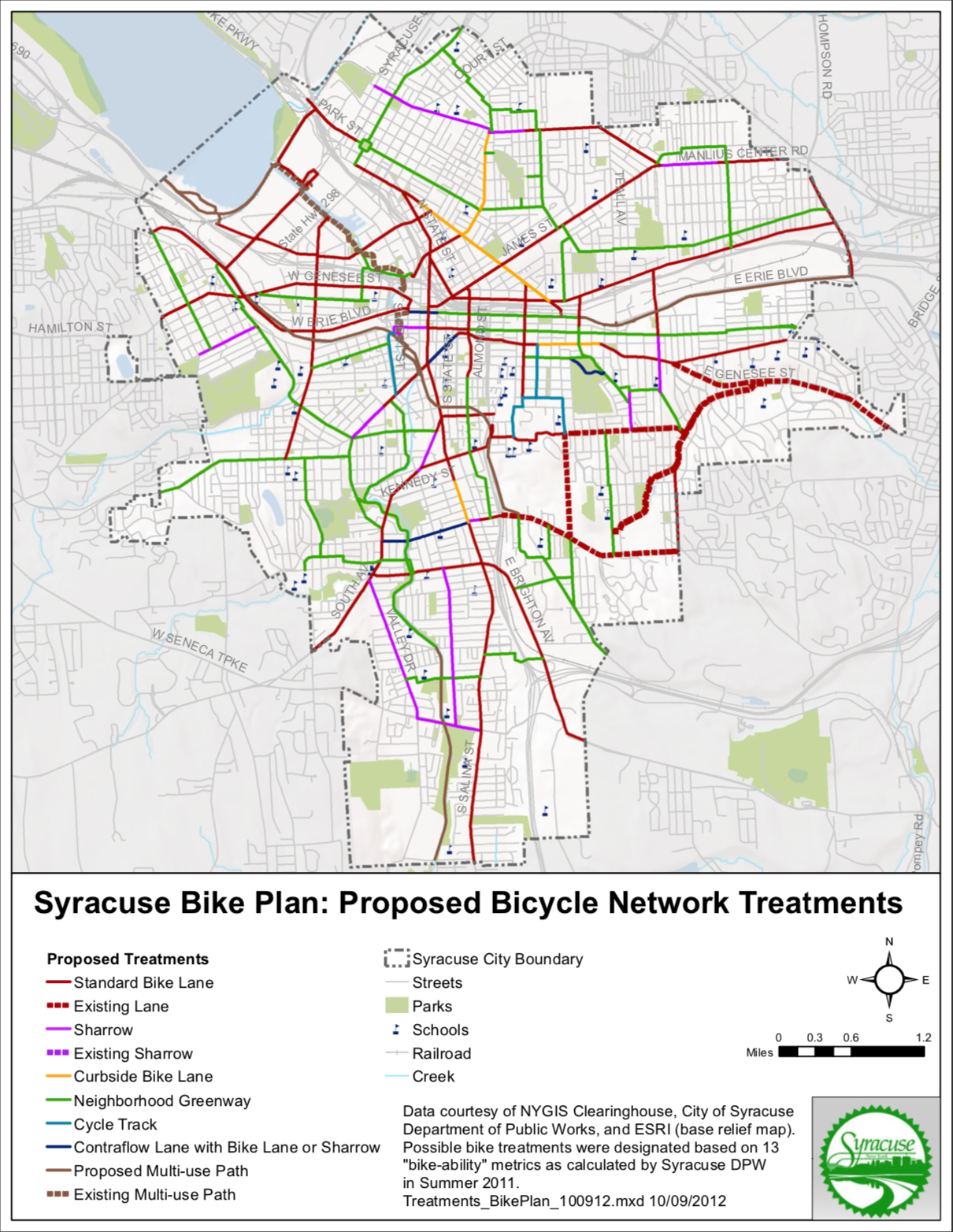
Syracuse Bike Plan
Syracuse Bike Plan
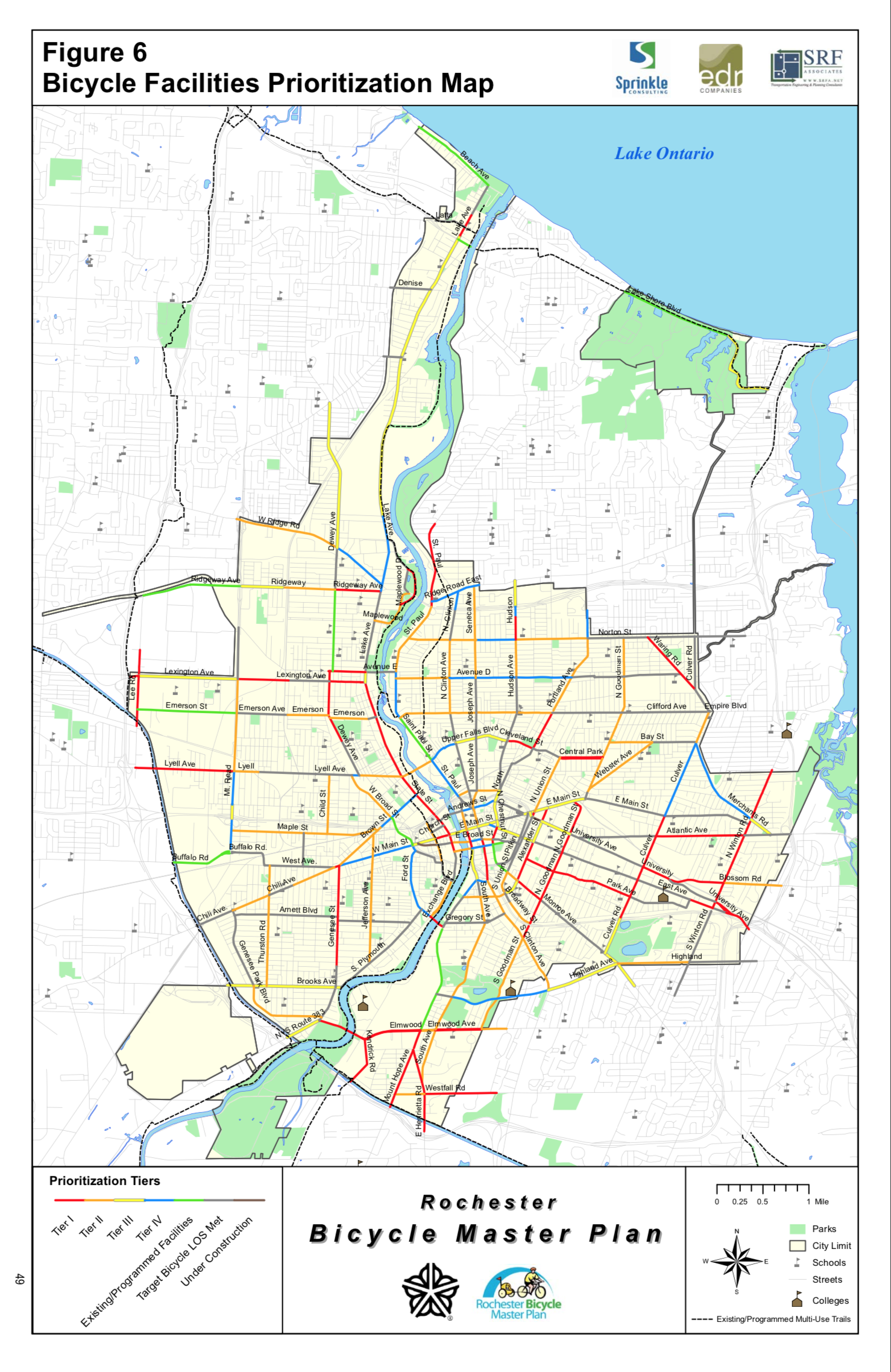
Rochester Bike Master Plan
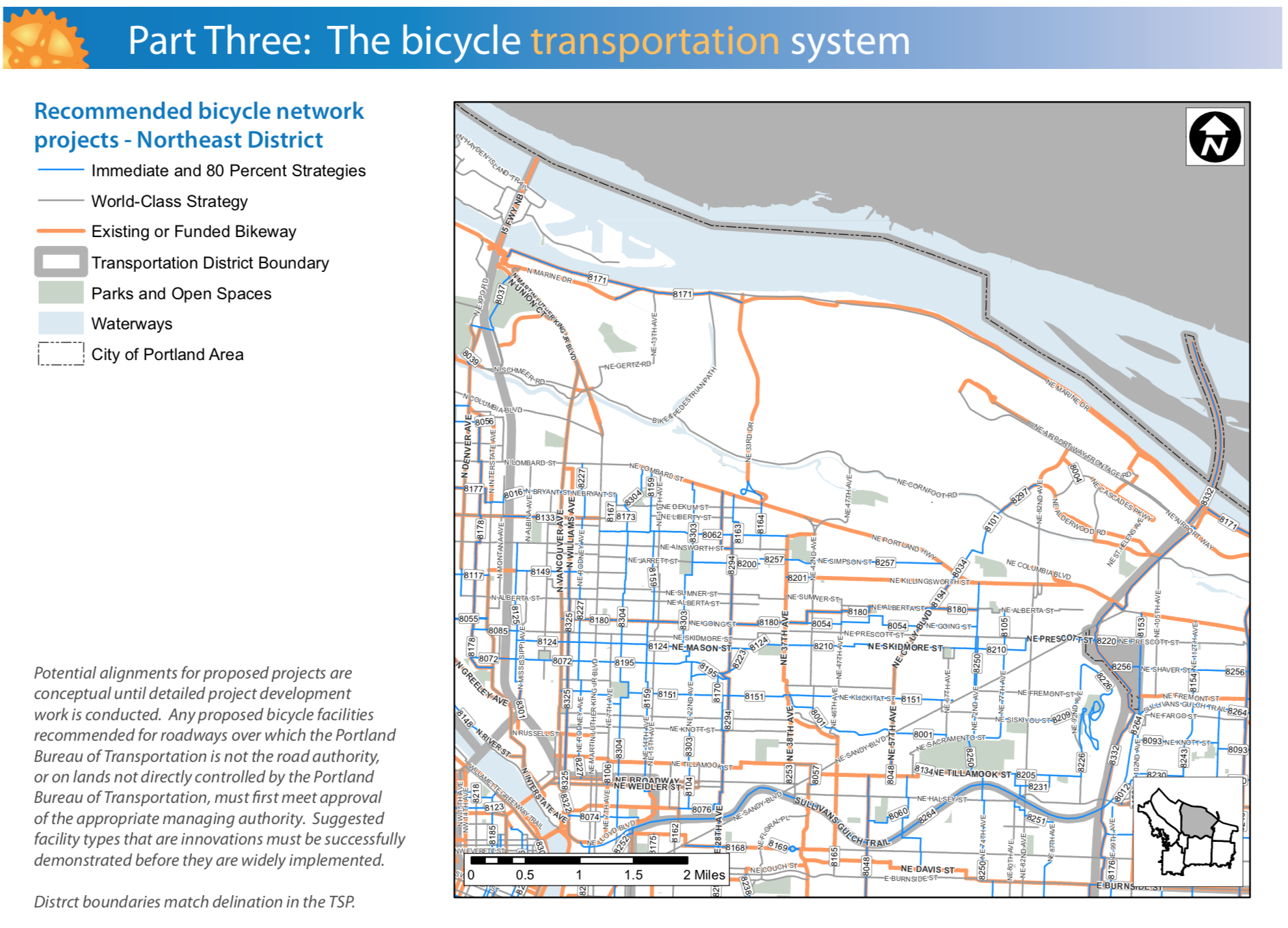
Portland Bike Plan 2030
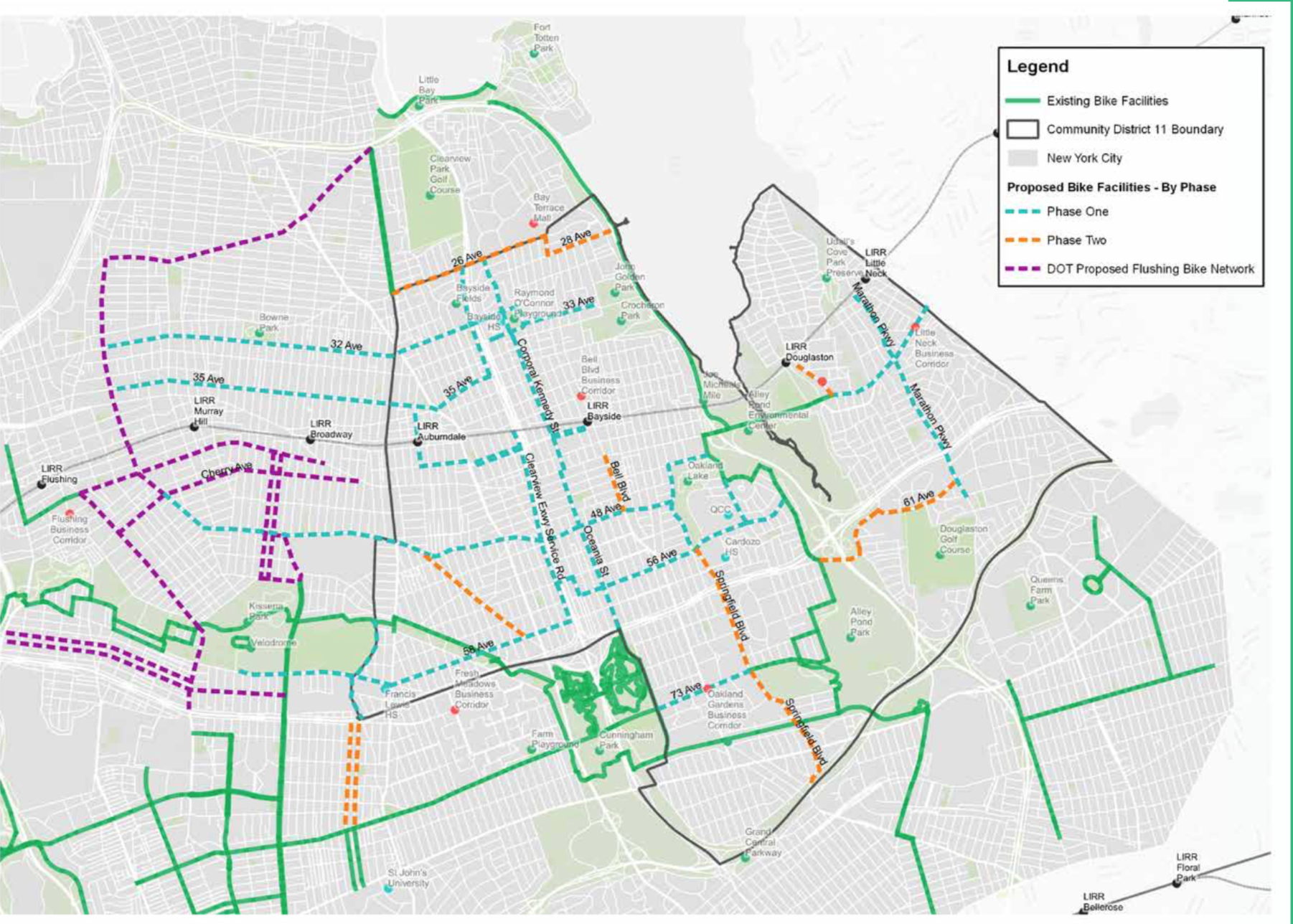
Hunter College Bike Plan for QCD11

Implement Your City’s Bike Plan

Every city I have lived in has some form of vision plan for an extensive bike network, yet very few have made significant progress implementing them. The planning has been done, the desired routes have been identified, yet we continue to wait. Some are waiting for funding to add protected bike lanes and streetscape elements along the routes, while others are stifled by backlash from communities worried about parking. But now is the time to jump start those plans.

Protected lane on Northern Boulevard in Queens, New York using a jersey barrier.

Protected lanes can often be done in low cost ways, such as using flex posts or parking blocks. Some places have even opted for jersey barriers which, while not visually appealing, offer high levels of protection for people on bikes. You can also make use of parking protected lanes that only require slightly more paint than a standard lane. Parking protected lanes often come with controversy due to drivers being uncomfortable with the new parking design, but cities shouldn’t be quick to revert back at the first sign of pushback. People can adapt and learn.

We should also remember that most lanes that cities have proposed are just standard lanes, simply requiring paint on the ground. Cities should be looking at their bike network plans every time a street is repaved, putting in their planned lanes as they go along. Even if these lanes are not fully connected initially, they’ll help build out the network faster and encourage their use.

Begin a Bus Network Redesign

Buses remain the backbone of our public transit systems, carrying the vast majority of transit riders in the country. They are also the most versatile transit mode, allowing them to adapt in a short period of time.Yet, as discussed in the earlier piece on public transit, few have significantly changed their networks to reflect the current geography of the communities they serve. This must change in order for these services to meet the needs of their current riders while attracting new riders, which is vital as we look to get more people out of their cars.

While complete redesigns can take several years, the process is much faster and cheaper and can be just as, if not more, effective than building out a rail network. New York, for example, has been working through its redesign process over the last few years, borough by borough, and has begun implementing some of these changes already. Smaller systems should be able to make these changes even faster and should start the groundwork now.

Consider Your Impact When Deciding Where to Live

In the previous piece I dug into the issues with single-family only zoning and our current suburban development patterns. Many of the changes needed to help fix this system will take time, including revamping zoning in municipalities, incentivizing more affordable housing in different forms, and implementing an urban growth boundary, but for those of us who may be moving sometime soon and have the economic ability, consider where you live and its impact on the environment. Whenever possible look for housing close to your work, perhaps along a transit line or bike network. Consider fixing up an older home purchased from your local land bank, or look for rentals (as we begin to decouple home ownership from wealth building, as it is in most of the world). You don’t need a large home for all of those family gatherings you hope to have, no matter what HGTV tries to sell you. Admit to yourself that most of that space will remain empty 98% of the time and find a more functional/efficient way to use a smaller space instead. While the apartment in the video below may be an extreme, we should be looking for ways to use our spaces in different ways to suit our varying needs.

Buy Small, Efficient Vehicles

Although we need to move quickly towards a future without personal vehicles to make the biggest impact on the climate crisis, many of us still live where cars are needed to different extents. If you are one of the millions of Americans in that situation, the next car you get should never be an SUV or pick-up truck (unless you work in construction). As noted in previous pieces, SUVs and trucks are held to much lower emissions and efficiency standards than sedans, making our overwhelming shift to these vehicles even more dangerous. Some will argue they are more efficient than ever before, but that’s a low bar to clear. 

Others will argue that they need them due to the harsh winters their cities experience. As someone who has lived in Syracuse, NY for most of my life and has driven through Upstate New York through heavy snow and ice, you don’t. Instead you should consider whether it is vital for you to drive that day, if there is another way for you to get to your destination (perhaps the bus in some cases) if the trip is vital, or spend some extra time shoveling out your vehicle as many of your biggest issues come with simply getting out of your parking space. This also ties in with where you live, as the further out you live the less transportation options you tend to have to reach your destinations, making it far more likely for you to need to drive in bad weather.

Kids sitting in front of an SUV illustrating the size of the blind spot the taller hoods create.

Source: ABC 7 WJLA https://wjla.com/features/7-on-your-side/7-on-your-side-children-killed-accidentally-run-over-by-vehicles-with-blind-spots

Still others will argue that they need the bigger vehicle to keep their children safe when driving. While this seems logical, the simple act of you driving that vehicle puts everyone else’s life at risk, including your kids as soon as they are not within the confines of your vehicle. SUVs and trucks have dangerous blind spots, as demonstrated by the image above where every child in front of that car is impossible to see by the driver. SUVs and trucks are also far more likely to kill anyone they strike, regardless of speed, due to the increased height of their hoods. Instead of striking someone at their legs, they hit directly in the chest of most people, if not their heads, causing far more internal damage, often leading to death. If we want people to walk and ride bikes more often, which is needed to truly fight the climate crisis, we need to make sure they are safe while doing so. These increasingly large vehicles put everyone’s life in danger, which has been shown by the sharp increases in pedestrian deaths over the last decade, coinciding with the increased adoption of these vehicles. Part of this is caused by the increased security drivers feel in these vehicles, which results in riskier driving maneuvers and more aggressive driving in general. (Consider picking up a copy of Crash Course by Woodrow Phoenix, which is an excellent illustration of the dangers of our current road networks).

While hybrid vehicles have been shown to have the negative effect of encouraging people to drive more, they are still a better option for most families. For others, opting out of ownership and relying on car share services, such as Via, should be considered, although this is only a true option for those living in cities with a decent level of saturation in this market. 

Make Our Covid Open Streets Permanent and Open More

The last immediate recommendation I have is to simply make some of the changes we’ve made to adapt to our new Covid-19 reality permanent. Cities across the country, of all sizes, closed off streets to traffic to open them for people to walk, bike, and dine out to great success. We shouldn’t turn back now, even in winter. Adding heat lamps and coverings can help extend outdoor dining throughout the winter helping restaurants keep their capacities up while avoiding risky indoor dining options. 

Open streets in New York have helped small businesses reach new customers and keep them alive while encouraging people to explore their neighborhood businesses more than ever before. Rethinking our streets as places for people instead of cars can help shift our relationships with our neighborhoods, helping us stay local and explore places on foot instead of feeling the need to drive. This only works if we expand these programs so that everyone is within walking distance of an open street network. 

Together, each of these actions can have significant impacts on our use of fossil fuels, helping to break the influence of those major corporations that have caused so much damage while improving our quality of life and increasing our sense of community. This isn’t just about saving ourselves and future generations from harm, but also about deciding to invest in a better future, one that is more communal and supportive than the me-centric suburban sprawl we currently endure. 

In Climate Crisis, Transportation, Housing, Urban Planning Tags Climate Crisis
Comment
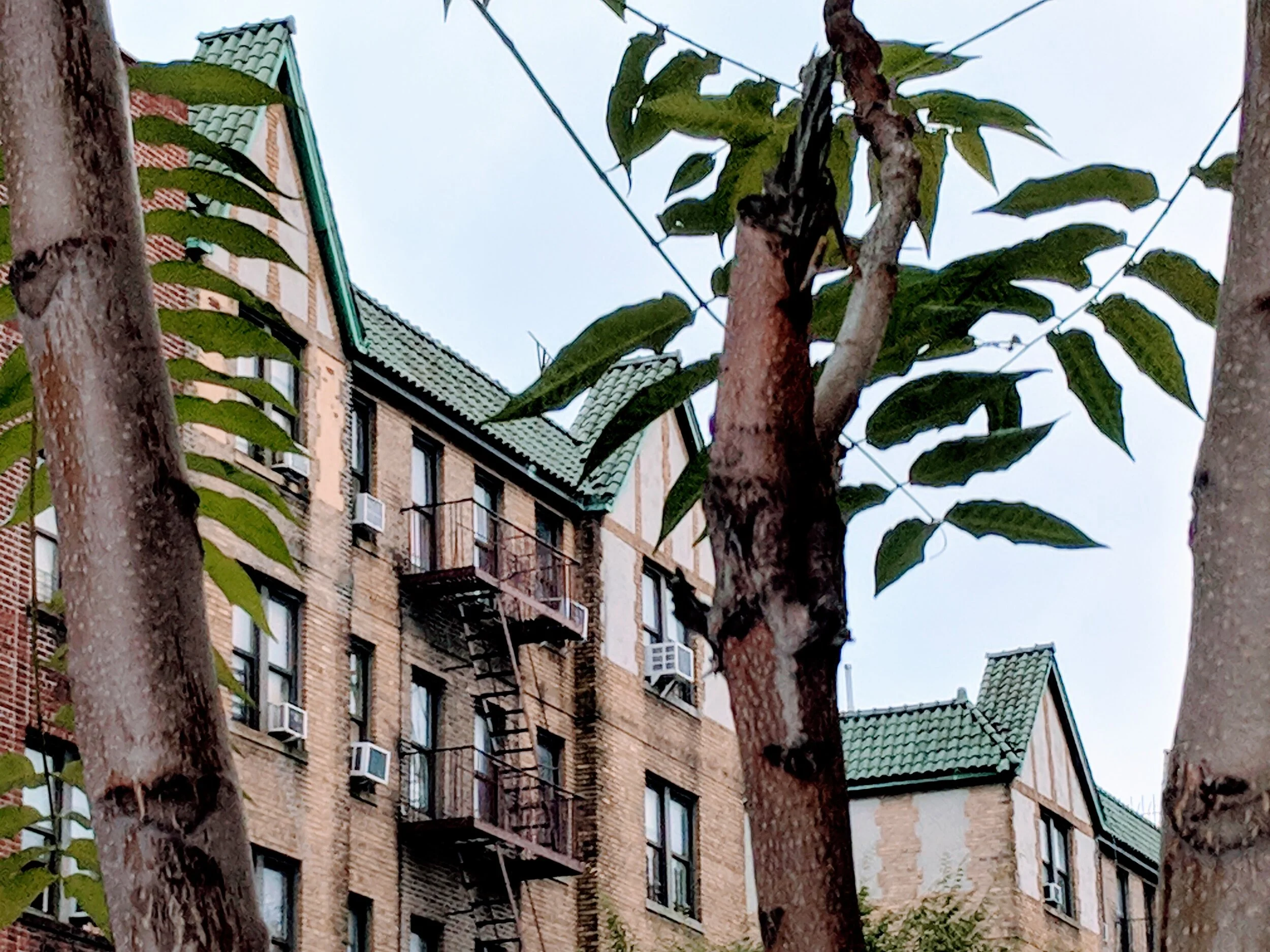
A combination of single-family and multi-family homes in Syracuse’s Tipp Hill neighborhood.

A combination of single-family and multi-family homes in Syracuse’s Tipp Hill neighborhood.

To Fight the Climate Crisis We Need: A New "Standard" American Home

August 11, 2020

For the summer of 2020 I will be releasing a series of articles reflecting on some of the things cities, and urban planners specifically, can be advocating and planning for to help in our fight against the climate crisis. These pieces will reflect on our transportation networks, the need for urban living, and protecting our natural resources while bringing them into the city. While these are not comprehensive of everything that needs to be done to turn the tide of this crisis, they will provide a different vision of what our world could be like if we commit to a different form of development.


Single-family zoning found itself in the spotlight over the summer as people began to consider its racial origins through redlining practices and federal/local subsidies. Others began to turn a more critical eye towards this suburban ideal in the name of conservative economic practices, noting that the suburban experiment’s highly subsidized nature and over regulated zoning policies should upset anyone who claims to want less government interventions in private property. You can also look to the negative health effects associated with suburban living, primarily from the more sedentary lifestyle commuting requires and the increased stress levels driving produced. All of these arguments are valid and should be considered when evaluating where we choose to live, how our cities/towns choose to regulate private property, and where our tax money is sent. But we must also consider the impact our housing choices have on the environment, and perhaps living in “greener pastures” is actually the least “green” thing you can do. 

View fullsize Single-Family Zoning in NYC
Single-Family Zoning in NYC
View fullsize ReZone Syracuse Map
ReZone Syracuse Map

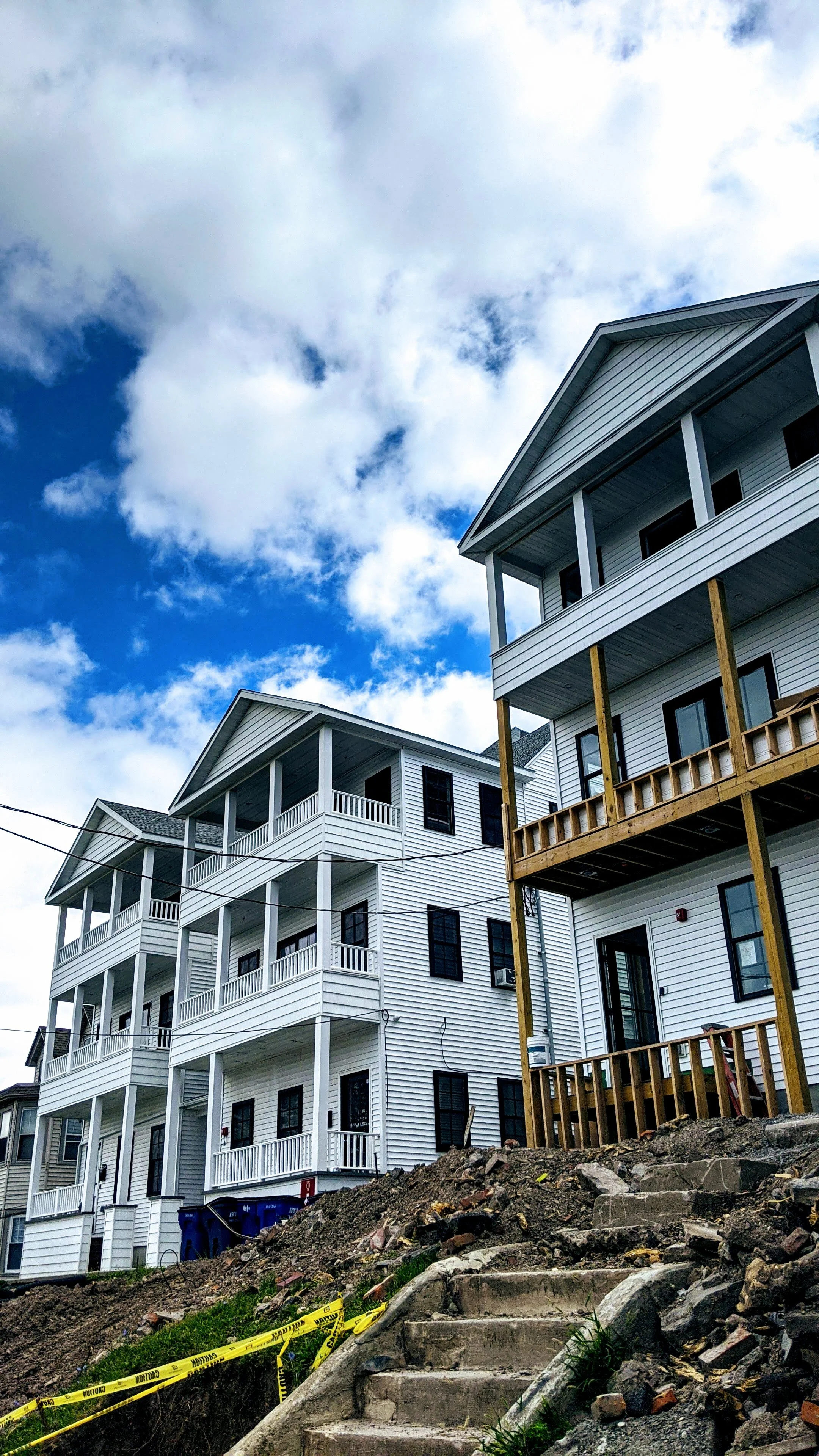
First, to alleviate the concern that I’m advocating for all single family homes to disappear. Eliminating single-family only zoning would simply allow for two-family, three-family, or even four-family homes to be built in every neighborhood, along with single-family homes. Last year, Minneapolis did just that, with an eye on breaking down racial and economic barriers that have been in place for nearly a century. This has been a crucial piece needed to improve access to affordable homes across the city. Many would be surprised to know that New York City still has large areas zoned for single-family only, even amidst an affordable housing crisis. The City of Syracuse continues to perpetuate the use of single-family only zoning in their ReZone project, as many residents argue about protecting the “character of the neighborhood,” which is a common racial dog whistle. Any concern for “neighborhood character” is moot since many multi-family homes look very similar to their single-family counterparts. 

Now, if we look at single-family zoning, and suburban living as a whole, from an environmental perspective the issues mostly arise from the consumption and destruction of resources. Over the last century the average American home has grown significantly in size (from around 1300 sqft. in 1960 to nearly 2700 sqft. in 2014), and many have taken up larger and larger lots. While large lot size requirements grew out of racial and economic segregationist policies, they have also resulted in pushing people further and further apart. Due to both of these factors, emissions related to travel are significantly higher in suburban areas. A report by Ed Glaeser and Matthew Kahn noted that, when controlling for family size and income, gas consumption per year per family decreases by 106 gallons when population density doubles. To showcase just how different our cities and suburbs are built, consider that Syracuse’s citywide density (5,604 people per sq. mile) is nearly five times as dense as its most populous suburb, Clay (1,216 people per sq. mile). Or, you can look at some of Syracuse’s inner ring suburbs, Geddes and Salina, where Syracuse is nearly three times as densely populated (1,813 and 2,186 people per sq. mile respectively), or more than double the density of the surrounding villages, like Baldwinsville (2,293 people per sq. mile). This emissions calculation doesn’t even take into account those who use transit, walk, or bike to get where they need to go, which would reduce the climate impact of Syracuse even further as its density and proximity to job centers/daily shopping needs allows for these alternative methods to be viable options for many trips.

Source: Bloomberg City Lab

Source: Bloomberg City Lab

Beyond the issues related to commuting, single family homes themselves consume far more energy than multi-family units. The chart above demonstrates the differences in energy consumption between an average suburban home, along with the multiple cars used to connect it to the wider community, and condo units located in urban centers, with fewer cars needed to complete needed trips. Even without factoring in the vehicles, or type of vehicles, the homes themselves consume significantly less energy. One of the main reasons for this difference simply comes down to size. Every year the National Association of Home Builders (NAHB) constructs a dream version of the American home with the aim of setting standards for new home construction. While energy efficiency has been at the forefront of many of the newer homes, they have also grown to grotesque sizes (around 11,000 sq.ft. in 2018). While these homes are not standard by any means, they’re often used to gin up demand for many of the showcased products and styles, and, most importantly, space. This is even as the average family size has dropped by over 30 percent, resulting in fewer people occupying even more space and filling it with unnecessary purchases. You can often see this on display on HGTV with people demanding more space to host parties or have”family get togethers”, which may see that space used a handful of times per year if that, often leading these home buyers further out of the city centers adding significantly to their commutes. There’s also the effect of sharing cooling and heating amongst stacked units instead of needing to individually heat and cool multiple buildings when all of the homes in a community are detached.

The location of many of these new developments adds a third layer of harm to the environmental equation. Recent years have seen some of the worst wildfires in California history, partially amplified by the climate crisis, but also amplified due to human encroachment. As communities have sprawled outward, many have begun to live in what is known as the wildland-urban interface, the areas right at the edge of the wilderness. Not only does this increase the risk of natural disasters to the people living in these communities, but it also destroys valuable natural habitats. While many in the “back-to-the-land” movement have argued that we need to live amongst nature and move out of urban centers, the result of such movement has cost wildlife millions of acres of natural habitat and has increased rates of extinction. While we need to bring nature into our communities, ideally plant life, we should be looking to contain our own outward growth and green the spaces we already occupy. 

View fullsize Inwood, Manhattan
Inwood, Manhattan
View fullsize Syracuse University Hill
Syracuse University Hill

Our current growth patterns are unsustainable in every way. Instead we should be aiming to provide more variety in our housing options and to reduce our excesses by focusing on infill projects. In most communities your only housing options are either a single-family detached home or an apartment. Some older cities still have row houses or semi-detached homes available. Condos make appearances throughout the country, but in small numbers. Part of this is due to the American obsession with home ownership, while other countries have focused on long-term leasing as a form of stability. We need to destigmatize renting and provide renters the same benefits that homeowners have in terms of tax deductions, as well as decoupling wealth accumulation from our homes. As stated previously, we need to remove single-family only zoning, along with minimum lot size restrictions, perhaps even instituting lot size maximums. We need to shift government subsidies away from suburban expansion and towards urban infill projects, rewarding developments that do not build excess amounts of car storage but instead invest in pedestrian and cycling infrastructure, or build along transit routes.

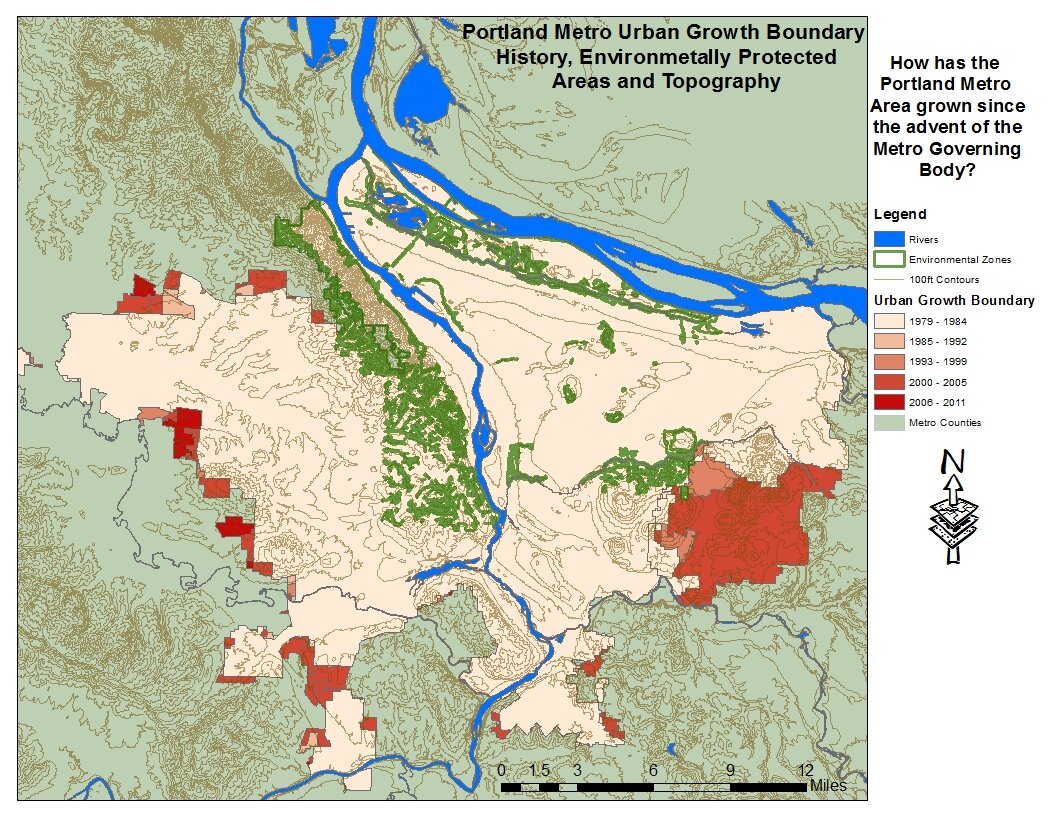
Portland's Urban Growth Boundary
Portland's Development

One final piece we need to embrace for this new housing to take hold is the urban growth boundary. Without restricting new construction to defined areas we will only continue to experience dangerous sprawl. Urban growth boundaries prevent greenfield development and encourage infill instead. The most famous American example of the growth boundary is in Portland, Oregon, but even that is too loose as most of the area inside the boundary is occupied by single-family only zoning and has been expanded fairly routinely. To give you an idea, Portland’s density (4,740 people per sq. mile) is still significantly less dense than that of Syracuse (yet it also has some of the highest bike ridership numbers in the country, proving that intense density is not needed for a bikeable city). Every Rust Belt city, and more importantly its metropolitan area, should have a growth boundary as populations have stagnated or declined. To have new development further away from the city without an increase in population is irresponsible environmentally and economically. It should also be significantly easier to implement in such cities, as opposed to many of the faster growing cities across the country (although it’s even more important to implement in those cities now rather than later). 

When you combine all of these policies you begin to open the door to more housing at all income levels while reducing the environmental strain. When paired with the many transportation policies already discussed in this series you begin to see a more sustainable way forward with comfortably dense communities built around walking, cycling, and transit use. This is a vision that is increasingly seen as the way out of the current pandemic without doubling down on the failures of auto oriented development of the last century.

In Climate Crisis, Urban Planning, Housing Tags Climate Crisis
Comment
← Newer Posts Older Posts →

Recent posts

Featured
PXL_20241010_211844719.jpg
Jan 30, 2026
Let's Do Good
Jan 30, 2026
Read More →
Jan 30, 2026
PXL_20250830_182821521.jpg
Sep 15, 2025
Urbanism Lessons from the Great White North
Sep 15, 2025
Read More →
Sep 15, 2025
Carousel.jpg
May 27, 2025
Destiny USA and the City
May 27, 2025
Read More →
May 27, 2025
PXL_20240805_141743149.jpg
Jan 1, 2025
All Cities Are Beautiful
Jan 1, 2025
Read More →
Jan 1, 2025
PXL_20241005_135224129.jpg
Nov 6, 2024
A Healthy Future for the Regional Market
Nov 6, 2024
Read More →
Nov 6, 2024
PXL_20240728_191254239.jpg
Jul 31, 2024
Renters Matter, Too
Jul 31, 2024
Read More →
Jul 31, 2024
Vista view.jpeg
Mar 21, 2024
The Valley of the Sun - A Land of (Sub)Urban Extremes
Mar 21, 2024
Read More →
Mar 21, 2024
Manlius Cinema.jpeg
Jan 31, 2024
The Movie Theater at the Urban Core
Jan 31, 2024
Read More →
Jan 31, 2024
Clinton Square Christmas Tree at night.jpeg
Nov 30, 2023
The Case for a Holiday Village
Nov 30, 2023
Read More →
Nov 30, 2023
PXL_20230817_220739294.jpg
Oct 31, 2023
The Walk: To Middle Ages
Oct 31, 2023
Read More →
Oct 31, 2023
Ballpark.jpeg
Sep 7, 2023
The Walk: To the Ballpark
Sep 7, 2023
Read More →
Sep 7, 2023
PXL_20230813_213112525.jpg
Aug 14, 2023
The Walk: To Tipperary Hill
Aug 14, 2023
Read More →
Aug 14, 2023

Powered by Squarespace