• Blog
  • Blog Index
  • Video Work
  • About
Menu

Thomas Bardenett

Urban Planning - Writer - Filmmaker
  • Blog
  • Blog Index
  • Video Work
  • About
2018-08-04 07.21.19 1.jpg

See the Forest for the Trees: Timber and the Syracuse Surge

February 17, 2019

Syracuse is surrounded by beautiful forests; parks with dense wooded sections dot the city and the surrounding towns. During the fall we can’t help but appreciate their spectacular colors, but we often don’t think about how our natural abundance of trees could be an economic driver. I’m not talking about eco-tourism or even just “leafers”. I’m talking about harnessing our natural resources in providing renewable construction materials to shape how our city and cities around the world develop.

A new trend in construction has been the development of timber mid- and high-rises. Not only is this new construction method significantly more environmentally friendly than steel and concrete, but its price has become more competitive in the last few years. This new cross-laminated timber is built in such a way that it withstands fires and earthquakes as well as steel and concrete, and in some cases better. Europe and Canada have been embracing this new technique with mid-rise buildings across their cities. To get a better idea of how this technology works please watch the below video by Cheddar:

Now you’re most likely wondering how this applies to the Syracuse Surge and Syracuse in general. The idea behind the Syracuse Surge is pushing investment into developing a smart city and helping expand our tech incubator. Falling squarely into the idea of investing in future technologies is developing new timber technology. This is not only an advancing tech field, but also an environmental pursuit meaning it is only going to become more in demand in the near future.
cornell-university-vector-logo.png
SUNYESY_HomeLogo_6-27.jpg

As part of this investment should be partnerships with SUNY ESF and Cornell University. Both colleges have strong programs in biomaterials and environmental studies, providing laboratories for exploring different materials and growing methods when it comes to our lumber. Using the Start Up NY program, these colleges should identify lumber and construction material companies that would be willing to partner in creating a new cross-laminated timber manufacturing center within Syracuse, while providing apprenticeships and internship opportunities, not only for students but for residents within Syracuse.

One proposal for this new center would be to renovate the old Sears building on South Salina St. While the building may not currently be large enough, it is surrounded by vacant land that allows for considerable expansion. Not only would this be a huge investment in this neighborhood, it would also be near what I foresee being a living laboratory for this new construction material.

Syracuse’s Pioneer Homes

Syracuse’s Pioneer Homes

The Syracuse Housing Authority is working with Purpose Built Homes to completely reconfigure the public housing footprint within Syracuse. The housing stock located just south of Downtown Syracuse is out of date and in some cases beyond repair. The Blueprint 15 plan calls for the demolition of these buildings and providing new housing to residents, as well as creating a mixed-income neighborhood to help break up the concentration of poverty. This would allow new investments to come through as well as new opportunities for life-long residents.

Blueprint 15 provides an opportunity to showcase the new timber building material in action while providing jobs to local residents who will in turn build their future homes. While these buildings will not reach the heights of some of the proposed projects mentioned in the Cheddar video, they will showcase the versatility of the project in townhouses, low- and mid-rise homes and office buildings, as well as the addition to the Sear building to expand its manufacturing capabilities. They can also experiment with new designs to create a unique neighborhood unlike any other in the region. Employing students from ESF’s landscape architecture program and Cornell’s agriculture program can help invest students in the region and provide opportunities for work to help them stay in the city.

This new industry would also require investments in tree farms and other green technologies to outfit this new neighborhood. All of this can be connected to investments from the Syracuse Surge. The tree farms just outside the city can become places of environmental experimentation. Cornell can expand their research into the uses of hemp, possibly providing and even cheaper and highly renewable source of material that can be integrated into these new technologies.

View fullsize Vancouver, Canada
Vancouver, Canada
View fullsize Mixed-Use Boutique Apartment
Mixed-Use Boutique Apartment
View fullsize UMass Amherst Student Design
UMass Amherst Student Design

As most of the construction using this new cross-laminated timber has made use of prefabricated pieces, it is often shipped in for construction. Making use of Syracuse’s central location to many growing cities, we could become the hub for this industry. Investing in our rail connections to New York, Boston, Toronto, and DC could allow the city to become a hub. We would need a much larger rail depot than the one in Manlius, which means we would need to bring back the original Inland Port proposal for the site just south of the city. While this proposal caused a great deal of backlash originally, coupled with this new investment in manufacturing and green technologies, it could have a bit more weight.

This is an opportunity to think of technology beyond the big tech companies and computer programs, and think about how we can use our natural resources in Syracuse to push ourselves ahead. We’re blessed with bountiful forests and a central location. We can become a city of the 21st Century while helping build the others. We should also look into requiring future construction within our region to use these new construction techniques to emphasize ourselves as an environmentally friendly city. Lead by example and let the rest of the world catch up.
View fullsize 2018-08-04 09.40.37 2.jpg
View fullsize 2018-08-04 09.43.30 2.jpg

For further reading on some of the subjects brought up in this piece, please read through below:
Blueprint 15 Coverage
Syracuse Surge Project List
Timber Skyscrapers
More on Cross-Laminated Timber
Comment
I-81 near the Syracuse Regional Transportation Center, December 2018

I-81 near the Syracuse Regional Transportation Center, December 2018

Think Big About Syracuse In Winter - The Salt City Games

February 2, 2019

One of the things I hear most often from people who have moved out of Syracuse, or even from those who live there, is that there isn’t anything to do. They say that’s especially true in the winter months when everyone is hunkered down, only venturing out for the occasional SU basketball game or a Syracuse Crunch hockey game. While I disagree with Governor Cuomo that the main reason people move away from New York is the cold weather, I do think there is something to that.

We’ve let the narrative of people suffering through the long, cold winter months define what Syracuse is. Beyond Syracuse University, the first thing people think of when they hear “Syracuse” is cold and snow. We let that become a negative thought that helps push people away from the city and from the region as a whole. But does our long winter with feet upon feet of snow have to be a bad thing? Or is there a way that we can rebrand ourselves and embrace what makes us unique: the snowiest big city (population over 100,000) in the United States.

Growing up in Syracuse, sledding was always my go-to winter activity. I was terrible, and still am, at ice skating, and I never quite got the hang of snowboarding or skiing. Yet here I was in a city that gets blanketed with ten feet of snow every year. Some of my friends picked up these sports and some ended up being great at them, but it was never a large number. Part of the reason might be because a lot of the winter sports require a financial investment up front; buy/rent the skates, buy/rent the skis, join ski club which may cost $200 that most families don’t have lying around. I bring this fact up because the city of Syracuse is home to many families who can’t afford to take up the winter sports, even though we’re in a prime location to not only take them up but excel at them.

This is my starting point and it will lead to an idea of how to celebrate winter throughout the city while shouting to the outside world that Syracuse is a winter destination that you need to experience.

View fullsize Syracuse Northside, 2017
Syracuse Northside, 2017
View fullsize Franklin Square, 2018
Franklin Square, 2018

Invest In Winter for Kids

While there are free skate nights at the rinks in Syracuse and plenty of hills to sled and snowboard down (if you have equipment), we need to invest in bringing kids into these sports. Unless you grow up in a family that has been involved with hockey, or skiing, or skating, you’re not likely to get involved with it yourself. Unlike basketball or soccer, you can’t just go up to the nearby park and start playing. There’s a learning curve that you need someone to reassure you about. This has resulted in hockey leagues being travel leagues, meaning it’s out of reach for anyone that doesn’t have the ability to commit to such a schedule.

Investing in programs in the city schools and other neighboring districts to introduce and encourage winter sports could open up a whole new world to some of these kids. Start at a young age, get them comfortable being on the ice, and watch kids with untapped athleticism embrace a new sport. Much like the donations of bikes to kids in need every summer, why not encourage donations of winter athletic gear? Lower the point of entry and provide the support needed to start a new sport.

Outside of sports, why not use the snow as part of our education system. Use the snow to teach architecture, engineering, physics, etc. Build igloos and other structures to tap into cultural education about how these structures have been used throughout history. Art classes could introduce ice sculpting along with more traditional forms of sculpture.

Creating this connection to the snow, connection to the cold, and connection to our environment as a whole will help to reshape our relationship with winter. It doesn’t need to be seen as the season of darkness. but instead we should embrace hygge (pronounced hue-guh), which is a Danish and Norwegian term about coziness and wellness especially in the colder months. It is in the spirit of hygge that we should not only get kids more involved with winter sports and crafts, but also create a full on celebration of the city during this time.

Syracuse has worked to create events in the winter, including the introduction of the New York State Winter Fair this year. While these festivals and events have done a lot to get people out and active, in some ways they aim too low. Winter shouldn’t just be about getting our residents out, but about introducing new reasons for travelers to come to town. With this I look to borrow the name of the Salt City Games from the Park Department’s summer event and repurpose it as almost a regional Olympic Winter Games. Before you say that this could never work (because I know many people will be thinking in that way) it’s worth exploring what exactly this could be. At least what I envision for it.

The Salt City Games

Syracuse would become the epicenter of winter sports and culture for two weekends in the winter. Not just downtown, but throughout the city and into the inner rings suburbs as we attract athletes and artists from across the region to compete.

View fullsize Syracuse Crunch, 2018
Syracuse Crunch, 2018
View fullsize Syracuse Crunch Fans, 2018
Syracuse Crunch Fans, 2018

Hockey

One of the major draws would be a youth hockey tournament played across the city. Teams from neighboring cities and towns would join our local high school teams in a tournament that would culminate in an outdoor game at NBT Bank Stadium. On the same weekend as the final for the high school tournament would be games played by Syracuse University, SUNY Oswego, and RIT at the stadium, with the last game of the event being played by the Syracuse Crunch (ideally against either Rochester or Utica to bring in additional regional fans).

This would allow NBT Bank Stadium to thrive in the winter and promote businesses that line Hiawatha Blvd. to fans flocking to the games. The Crunch have repeatedly expressed interest in doing an outdoor game at the stadium, much as Rochester did at the Red Wings stadium years ago. While the Syracuse Chiefs originally balked at the idea recently, by including these other events and institutions in the discussion may put enough pressure on the Syracuse Mets to embrace the idea moving forward.

Cross Country Skiing

A signature event for the Salt City Games would be the 30km (about 18 miles) cross country skiing race. What would make this race dramatically different than other races in the sport would be its urban nature. By this I mean filling city streets with snow to allow the course to wind its way through different neighborhoods and straight through Downtown Syracuse before working its way out to NBT Bank Stadium for the finish line. Treating this event like an urban marathon will give it a unique appeal to athletes looking for a new, challenging event. At the same time showcasing the beauty of the city in winter.

Utica Curling Club

Utica Curling Club

Curling

Curling is one of those sports that’s often mocked by people who haven’t spent much time watching it. And yet every Winter Olympics it becomes a hot topic once again. With multiple curling clubs across Upstate New York this could become a vibrant event to attract new players. Similar to hockey, this would be a tournament format but will culminate in the semi finals and finals being played at the War Memorial.

Art and Culture Showcase

Much like Winterfest, this festival will also include ice sculpting, chili cook-offs, and any other cultural touchstone that can be incorporated. This is the part of the festival that is the most flexible and would hopefully include music and performances, both outside and inside. The city should be a constant ebb and flow of life, light, and music throughout these weekends.

Invest In Winter

Through these events and these investments we should be looking to change our perspective on winter and what it means for our city. There will always be people who look to travel to warmer climates during winter but there’s no reason we can’t catch the eye of plenty of people looking to embrace the snow.

Beyond these programs I still believe major bus stations should be outfitted with heating systems for patrons, and additional heating lamps throughout the city in high traffic areas. We shouldn’t fear going outside because of the cold. Through these heating spots you show residents and the world that we’re a city that cares and a city that embraces its lot in life. That’s a community people want to visit and live in.

While these aren’t your normal economic development ideas, I think we need to think bigger and think boldly about how we want the world to see us.

In Sports, Civic Pride, Syracuse
Comment

Washington Square - A Future More Lively Than Franklin Square

January 10, 2019

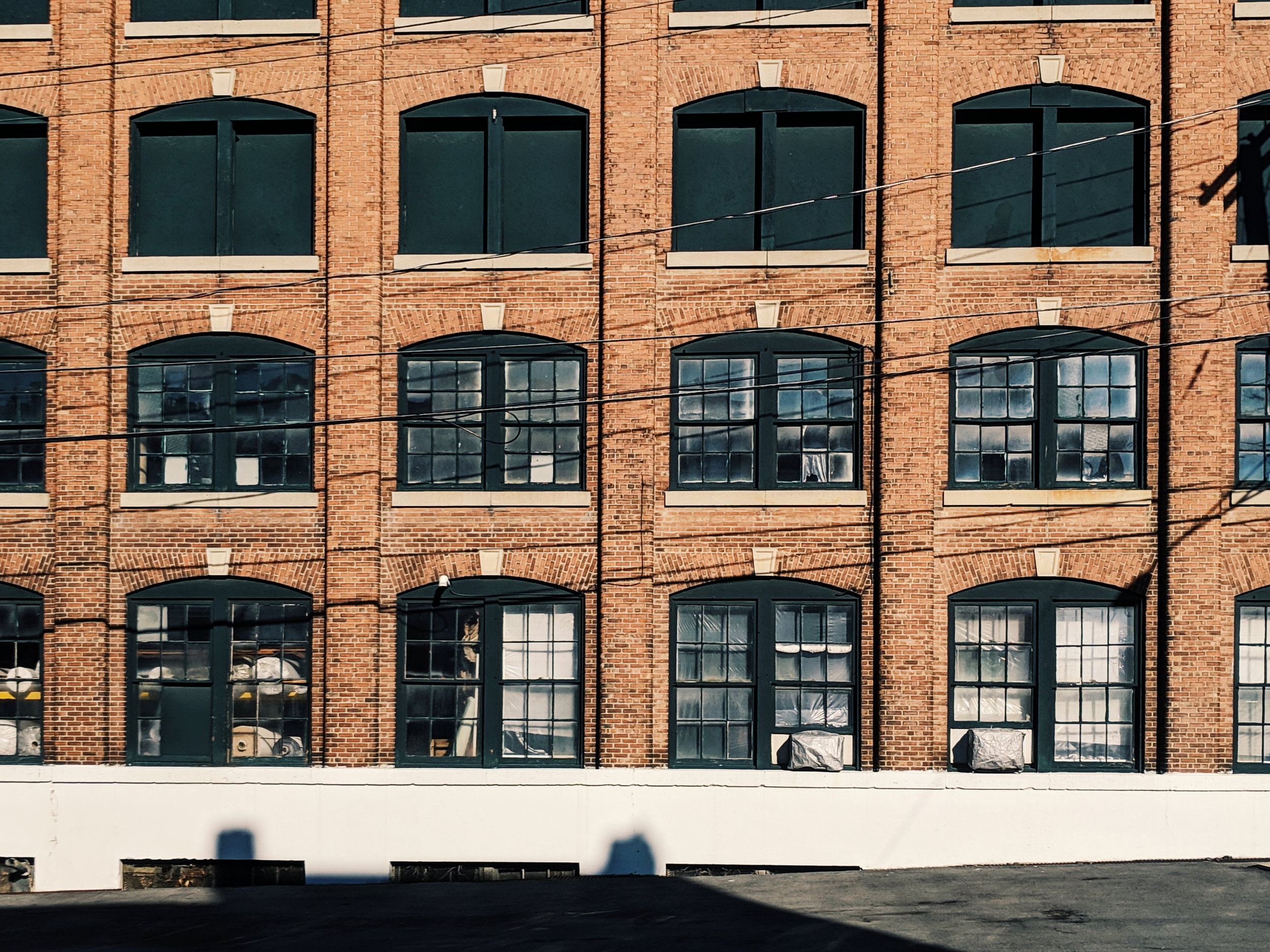
Syracuse is filled with beautiful historic buildings, many of which were factories and warehouses from the early 20th Century. Over the years those in Armory Square and Franklin Square have been saved and repurposed, creating a vibrant bar and entertainment scene (Armory) and an exclusive condo and office park (Franklin) in the process. One area that has the same good bones but has not seen the same level of investment is Washington Square on Syracuse’s Northside.

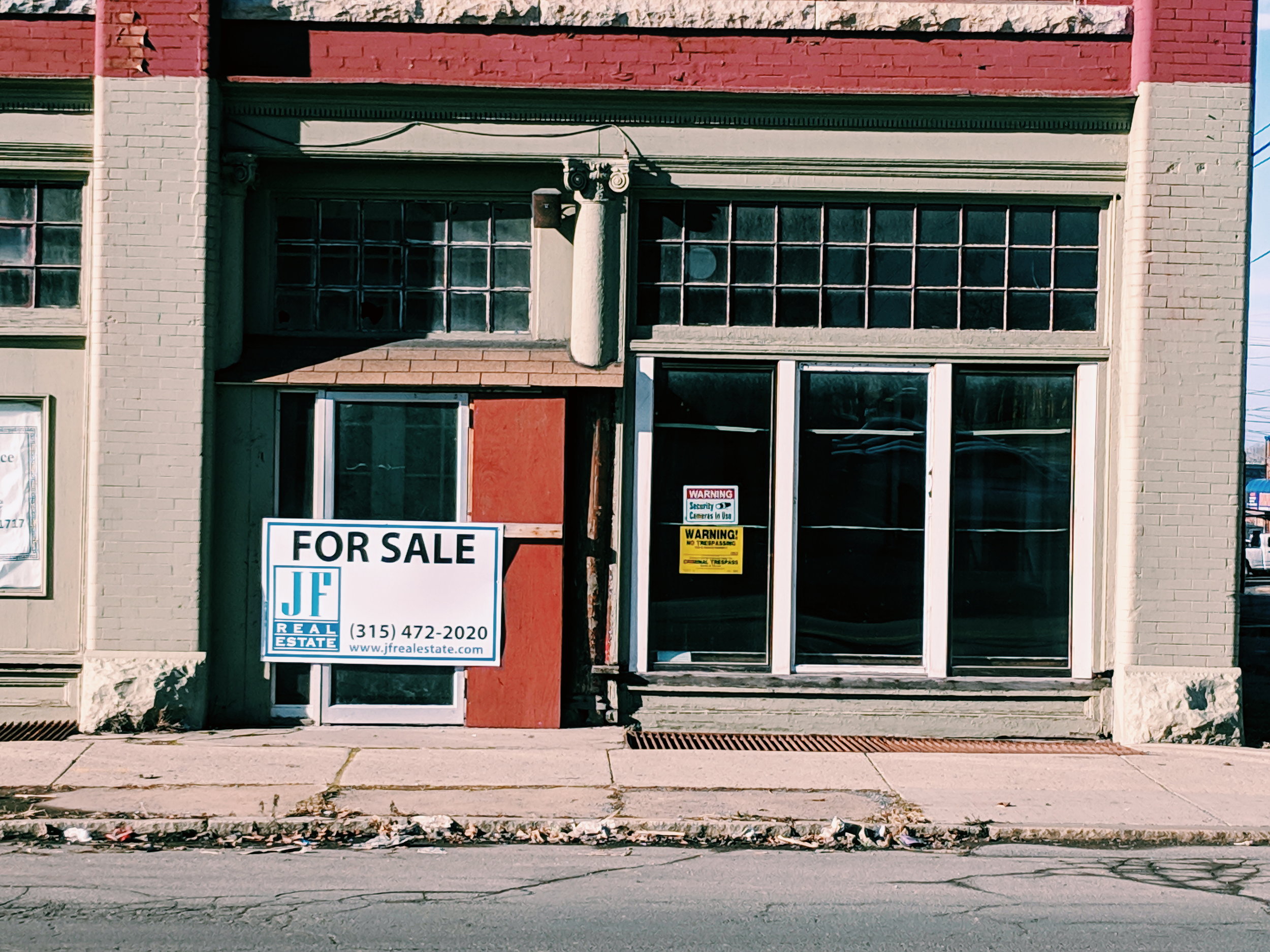
Along North Salina St., from Lemoyne Ave up to Hiawatha Blvd., and over to Carbon St., you have many beautiful old buildings, including the famous factory with a house on top, that are ripe for redevelopment. Currently the neighborhood is occupied by multiple strip clubs, a smoke shop that doesn’t hide its products are used for pot, and numerous nearly if not completely abandoned warehouses along Wolf St. and Hiawatha Blvd. While these buildings could use TLC, they maintain their original beauty and a surprisingly walkable street, even though some of the sidewalks are in desperate need of repair.

Unlike Franklin Square, these buildings are right in the heart of the neighborhood, not separated by an invisible gate that makes the area feel exclusive. At the same time it has easy access to the nearby highways as well as a quick walk to Destiny USA, the Regional Market and NBT Bank Stadium. Development at the Inner Harbor is just blocks away, only adding to the feeling that time has come for these buildings to see new life.

Transforming this small section of Washington Square should be done with the lessons learned from Franklin Square and Armory Square, while keeping true to its working class history. This should not become an exclusive neighborhood like Franklin Square, or too rowdy of a bar scene like Armory Square. Instead it should embrace its manufacturing history. Some of these buildings would make perfect makerspaces; places open to artists, craftsman and small scale manufacturing. Matched with affordable apartments for those using those spaces would help to create a community that invests within itself as well as attracts outside investment.

View fullsize 2019-01-09 09.21.38 2.jpg
View fullsize 2019-01-09 09.21.39 1.jpg
View fullsize 2019-01-09 09.21.40 2.jpg
View fullsize 2019-01-09 09.21.41 1.jpg

Another step would be helping a local brewery move to the area to make use of the spaces, which would be a key anchor to the neighborhood. Look to the new Labatt Brew House/ Draft Room in Buffalo for inspiration, or even the more local Middle Ages Brewery off Park Ave. These breweries embraced old warehouses and manufacturing sites, repurposing them into thriving social scenes. With the ever expanding craft brewery market throughout the country, and especially in Syracuse, this could become an epicenter for creativity and innovation in brewing.

One of the downfalls of Franklin Square is the lack of street facing businesses. As you walk around the neighborhood there is little street life as a result. Washington Square, on the other hand, already has walkability built in. Empty storefronts line the streets, ripe for investment. This should be embraced and expanded. Extending sidewalks around Park St. and Wolf St. would allow for outdoor seating in nicer weather. Adding street trees, bike racks and bike lanes will help make this neighborhood more attractive to young families and other young professionals the city is continually looking to attract.

Being one block away from Washington Square Park and within walking distance of so many amenities, this can easily become an attractive neighborhood for young families looking for a more urban experience but still away from downtown. These mini neighborhood centers should become the focus of development within Syracuse moving forward.

While downtown continues to grow, others will be looking for neighborhoods with their own character that still offers that urban environment. As a city that grew up around the streetcar, Syracuse is filled with business and industrial areas that were once the hearts of their neighborhoods. The Northside has many of these former districts, with Washington Square being the most centrally located. If the county continues to prevent development around NBT Bank Stadium, this neighborhood can help connect the stadium to the rest of the city, providing gathering points for before and after games just a short walk away, as well as the freedom to walk to the Regional Market for groceries and entertainment at the mall.

It’s time to reinvest.

View fullsize 2019-01-09 09.21.37 2.jpg
View fullsize 2019-01-09 09.21.38 1.jpg
View fullsize 2019-01-09 09.21.40 1.jpg
In Urban Planning, Syracuse
Comment

Grant Boulevard and the Heart of the Northside: Part Three - The Baseball Stadium

September 14, 2018

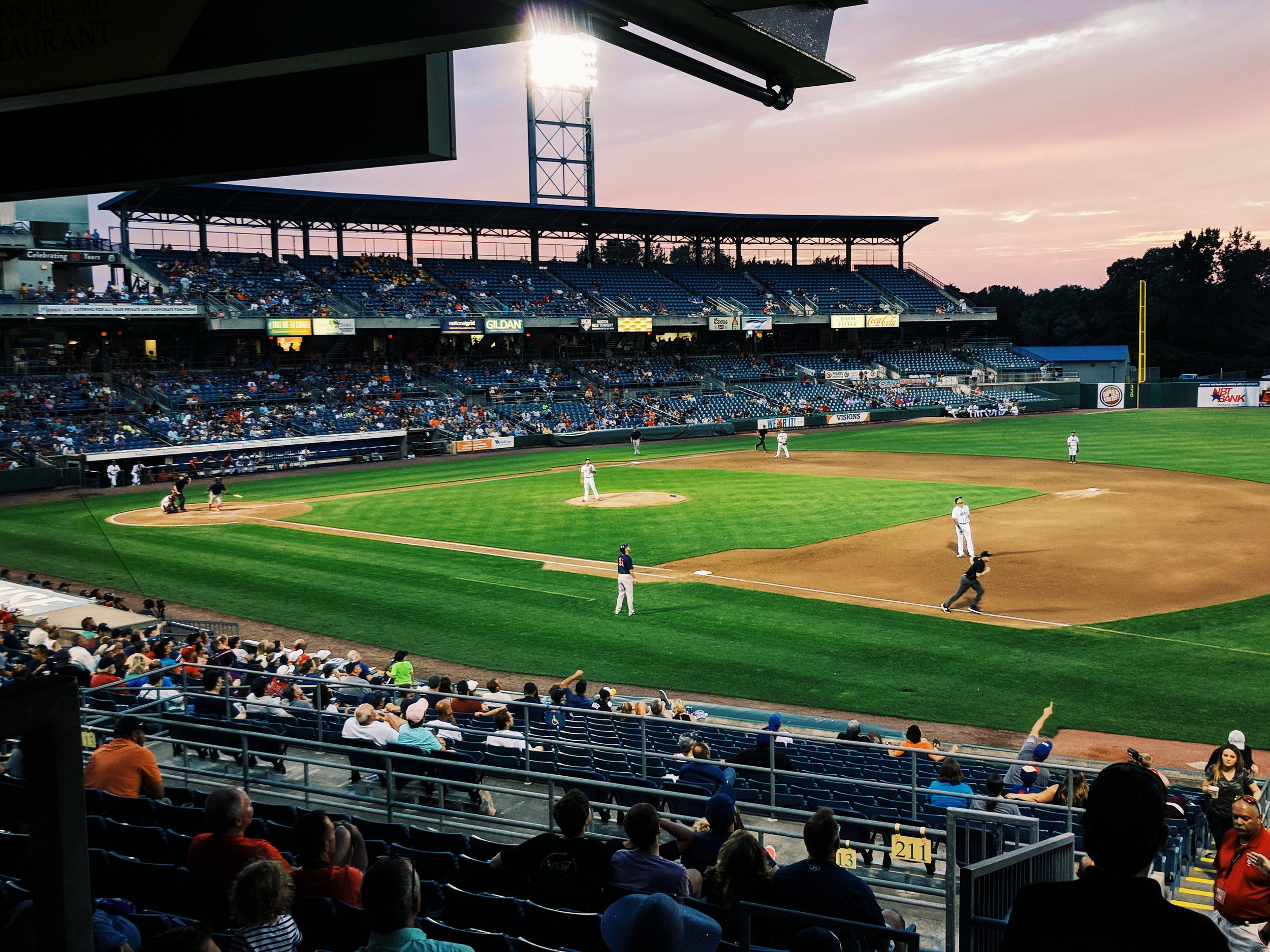
So far in this series I have focused on a very small section of Grant Blvd., from Darlington to Butternut. This has always been the core of my neighborhood, where everything happened on a day-to-day basis. But that is not the only part of Grant, and in reality its most important resident resides at the very end of the street: the baseball stadium.

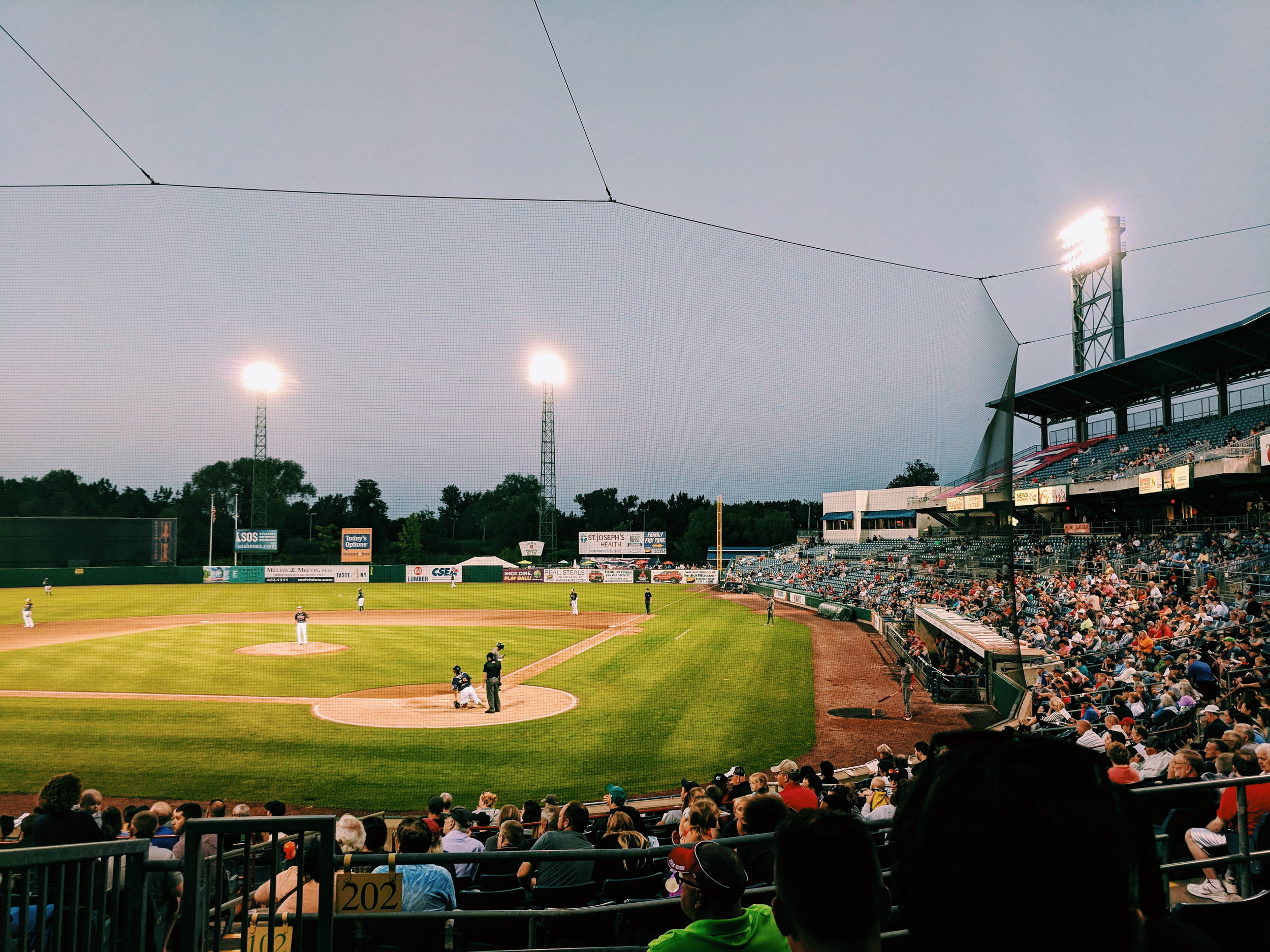
Growing up on the Northside I was lucky to be so close to the stadium, and in recent years I’ve loved taking advantage of living so close to where I could stop by a game whenever I wanted. You start to see the same faces in the stands and make a connection to the team, to the point where you’re one of the few people to have a favourite Syracuse Chief (Irving Falu over the past few seasons). This stadium and this team create a community within the city. Sadly its physical placement has never allowed for that community to expand outside the gates.

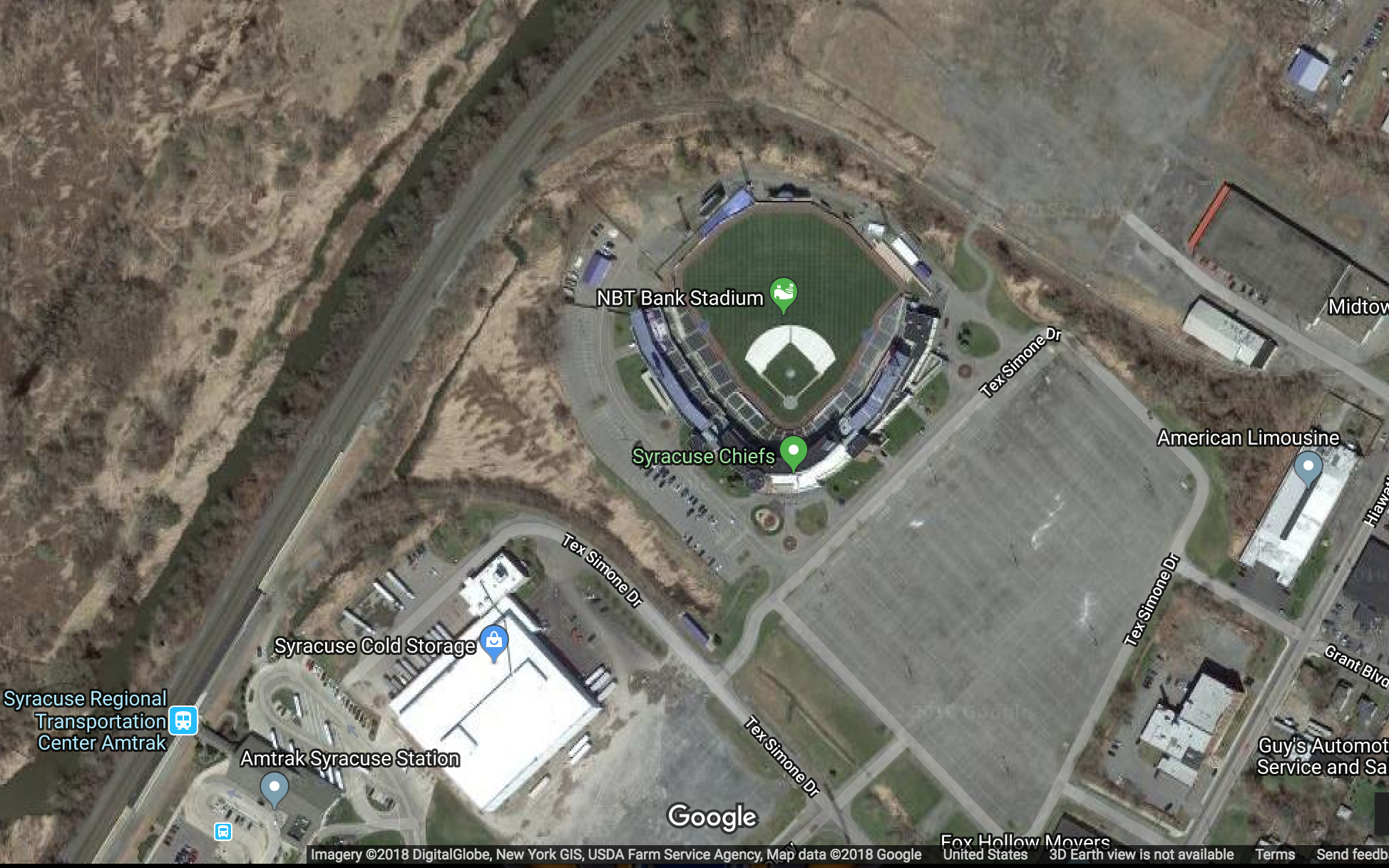
The stadium is surrounded by its own massive parking lot, a refrigerated warehouse and its parking lot, and industrial wasteland. There are no sidewalks leading to the stadium, and even if there were you’d have to walk gingerly through a busy parking lot before getting to the actual stadium. Many people will see that parking lot as an asset, along with its close proximity to I-81 for quick entrances and exits, but both of these factors work together in isolating the stadium from its Northside community, where the team has played for over 80 years.

I include this as part of my Grant Blvd. series because Grant should act as the main entrance to the stadium area. Its the path I’ve always taken in and out and provides the greatest opportunity in reshaping this community. The corners of Grant and Hiawatha and Grant and Wolf provide a business corridor that should be expanded with mix-use facilities that grow towards the stadium.

Proposed renovation to NBT Bank Stadium

Proposed renovation to NBT Bank Stadium

With the Mets coming to town next season and a major stadium renovation being discussed, I think its important to look beyond just the stadium and see the potential that is there.

When I think of the truly great baseball stadiums I have been to, its hardly ever just about the stadium. The neighborhoods around these stadiums are filled with bars, restaurants, shops, and apartments. The neighborhood takes on a full on pride for the team, every bar broadcasting every game, becoming the home for fans even when the team is out of town. And this isn’t just true of stadiums in downtown areas, the Red Sox and Cubs are both in neighborhoods outside of their downtown areas, but the areas grew up around the stadiums. Or for a minor league comparison you can look to Rochester where their stadium is in the High Falls neighborhood outside of downtown, but in an area with a lot going on.

Our stadium will never be downtown. Let’s move past the arguments of the 1990s and focus on what is possible where the stadium sits and will continue to sit.

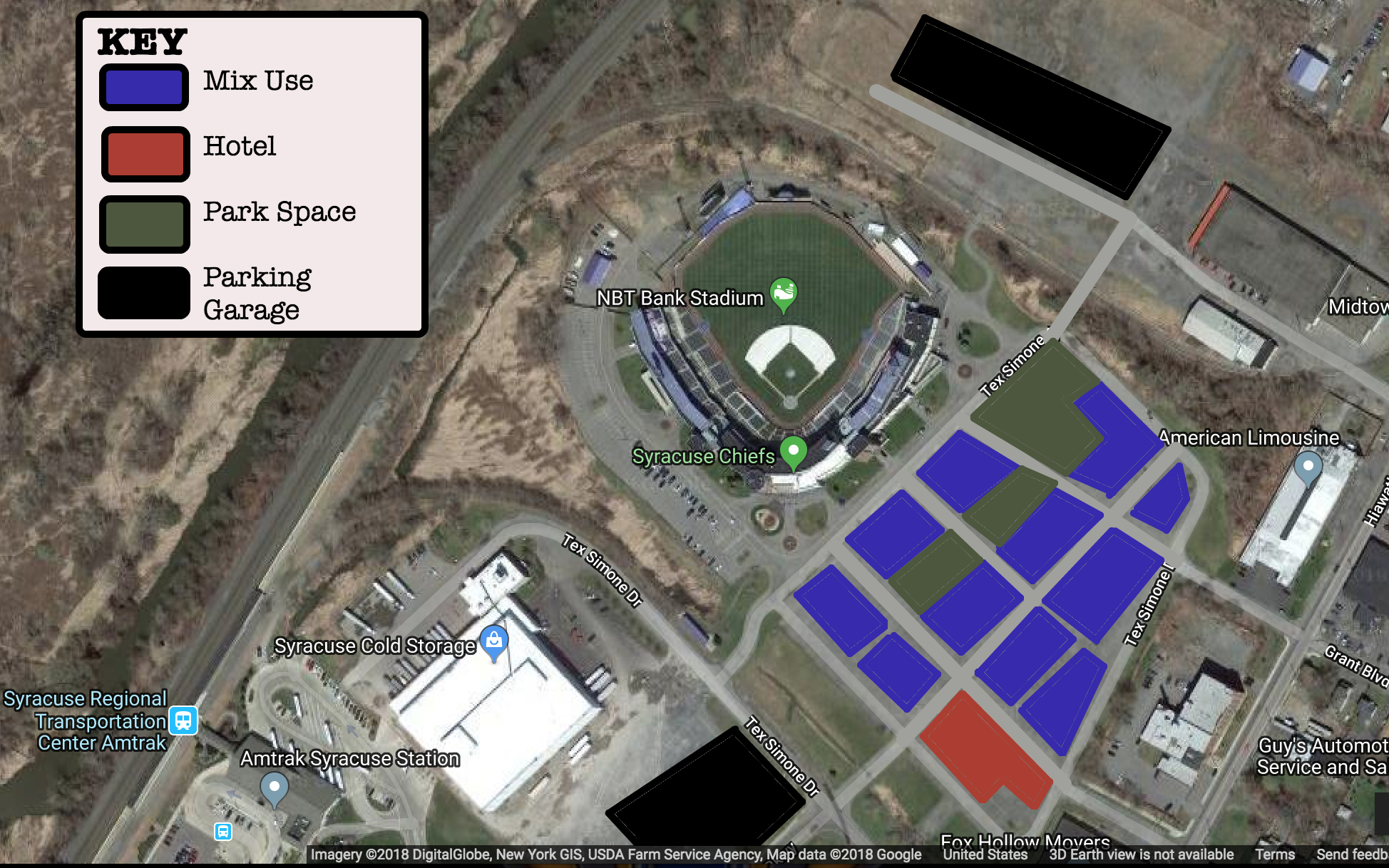
The first major change is the one most people will object to; we need to remove the massive parking lot in front of the stadium. This is crucial for the rest of my proposal. I do believe we need parking, but I think its worth investing in building two parking garages, one out behind right field where there is currently industrial wasteland, and the other across the street in the large parking lot in front of the refrigerated warehouse. These would not be massive, but they’d be assisted by newly created street parking.

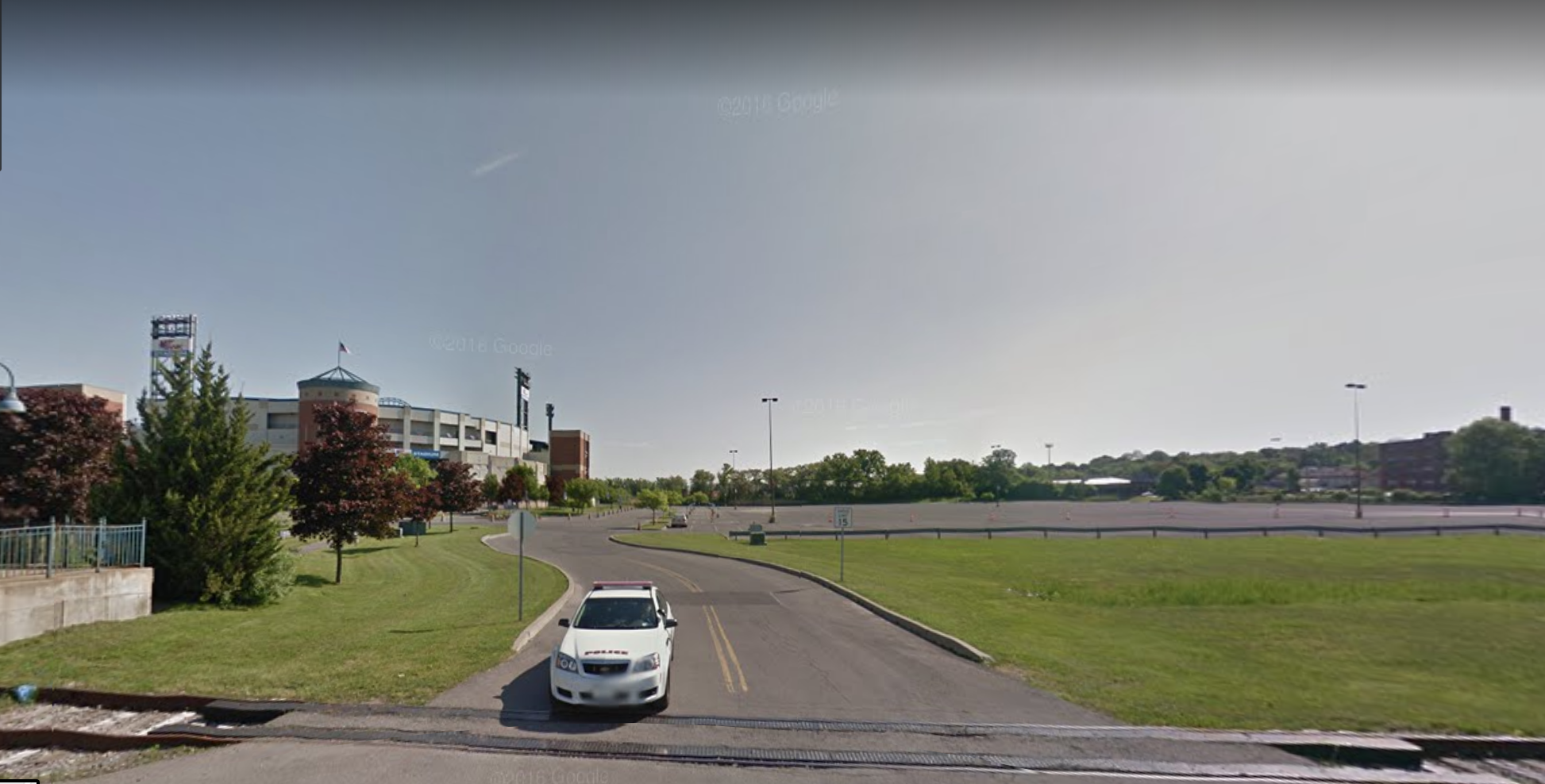
NBT Bank Stadium today
Proposed street grid with zoning ideas

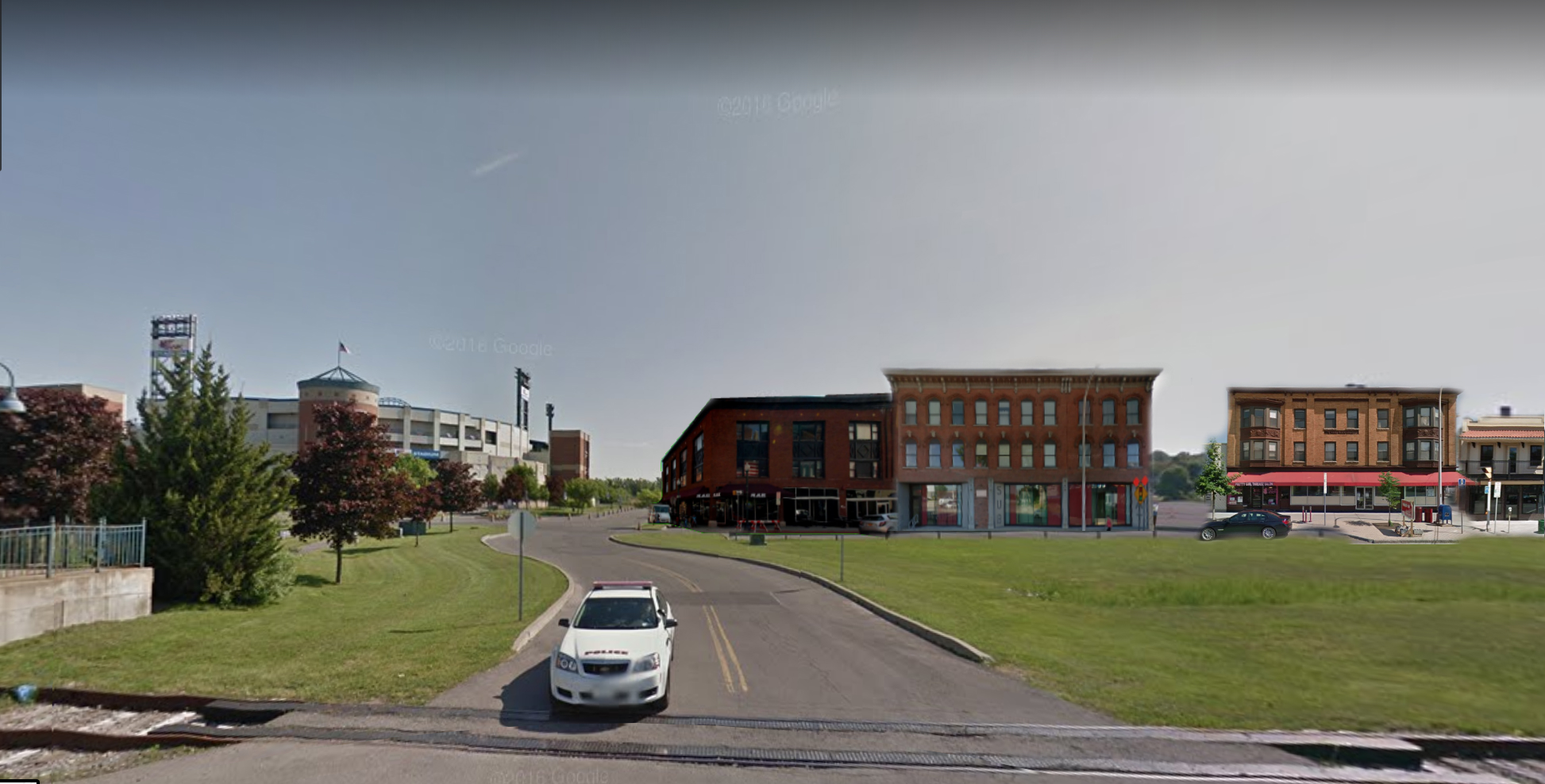
Where that parking lot stands would be converted into a street grid, extending Grant Blvd. right to the baseball stadium and opening up this land for development. Under the proposed Rezone Syracuse effort this area still remains zoned as industrial, which is a grave mistake. They should look to repurpose this land as mix-use development. There has already been a successful repurpose of an old warehouse just beyond the parking lot, proving that there is desire for modern apartments in the area. We should look to include some of that historic architecture into the other buildings in this newly formed grid. Take cues from the stadium and the neighborhood to make a cohesive environment, much like those that have been built up around Wrigley Field and Fenway.

This new development would become an anchor for the entire Northside, as not only Grant Blvd. but also North Salina St. lead to it, both streets being central business corridors for the neighborhood. This would bring the stadium into the neighborhood, becoming a focal point and gathering space. With additional park area within this new development there becomes opportunities to do pre-game festivals during the summer and keep people involved with the team during the winter. The annual Hot Stove dinner can be moved to a restaurant or bar right next door, ideally a bar that becomes to central hub for all things Syracuse sports; a bar that has every Chiefs and Crunch game playing on TV, as well as all of the SU sporting events.

The baseball stadium has been separated from its home neighborhood for too long, and its time that the Northside reclaims this land. With all of the assets this neighborhood has, it has sadly done a terrible job of connecting the people to them. With this grid, not only does the baseball stadium become more accessible, so does the Regional Market, our transportation hub, Destiny USA, and the new development around the Inner Harbor. We need to stop thinking of things in a vacuum, but instead envision how they all should connect to build upon each other.

The last bit of all of this is something I’ve talked about many times; revive and improve OnTrack. I’ve discussed this project idea before (I-81) so I won’t get into the nitty gritty of it, but its important to bring up. The idea of this rezoning and redevelopment would be to create a new central hub within the city, which would help create an increased demand for public transit. Allowing the public to have options to get around the city without a car is paramount to developing a city for the future. There is a want for walkable neighborhoods and freedom from car ownership, but the majority of our city has been gutted of these types of neighborhoods. This could be one of the catalysts to relaunch OnTrack and change how we interact with the city as a whole.

The vast empty land by the stadium.
 What an urban neighborhood could begin to look like.

What an urban neighborhood could begin to look like.

View fullsize 2018-07-04 09.29.51 2.jpg
View fullsize 2018-07-19 08.48.54 1.jpg
View fullsize 2018-08-09 07.27.12 1.jpg
View fullsize 2018-08-09 07.27.13 1.jpg
View fullsize 2018-08-23 08.03.59 1.jpg


In Sports, Syracuse, Urban Planning, Baseball
Comment
Butternut Circle via Google Maps

Butternut Circle via Google Maps

Grant Boulevard and the Heart of the Northside: Part Two - Butternut Circle

September 5, 2018

Butternut Circle is not only the central focus of this business district but also a sort of dividing line. To the north is a fairly stable middle class neighborhood, to the south is one of the poorer areas in Syracuse. Both converge at this point, making it vitally important to the well being of the neighborhood as a whole.

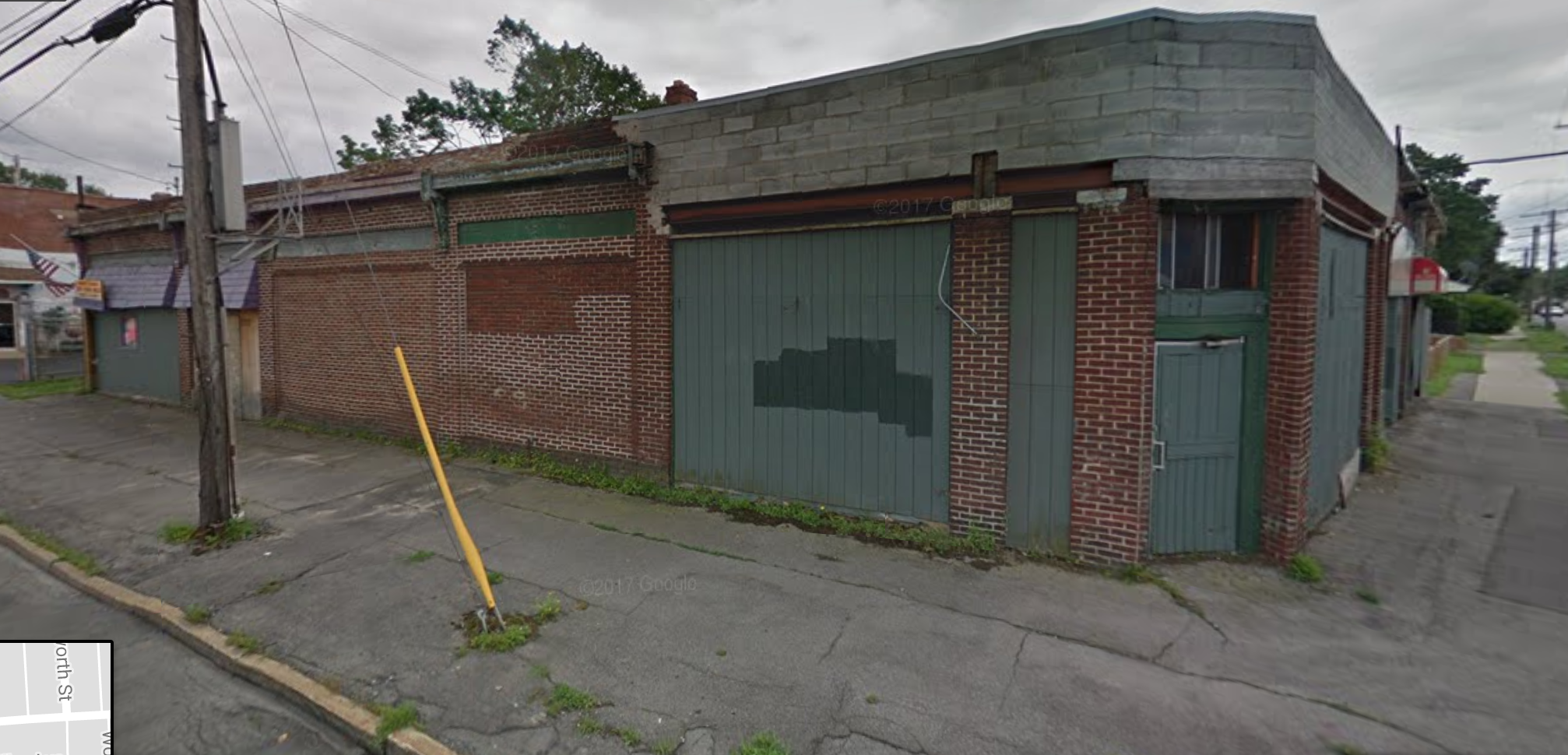
The circle is surrounded by mainstay businesses; Peppino's Pizza, Liehs and Steigerwald, a flower shop, dry cleaner, Rite Aid, Blueberry Market (a convenience store that replaced Byrne Dairy), a dentist office, and a barber shop. Amongst these businesses lingers a large vacant building that once housed an arcade and other small businesses. It is one of the most visible buildings on the circle, hanging a dark cloud over what many would consider a successful business district.

In order for the neighborhood to grow and move into the future, I believe its important to make sure this circle is filled with life. 

Butternut Circle present day
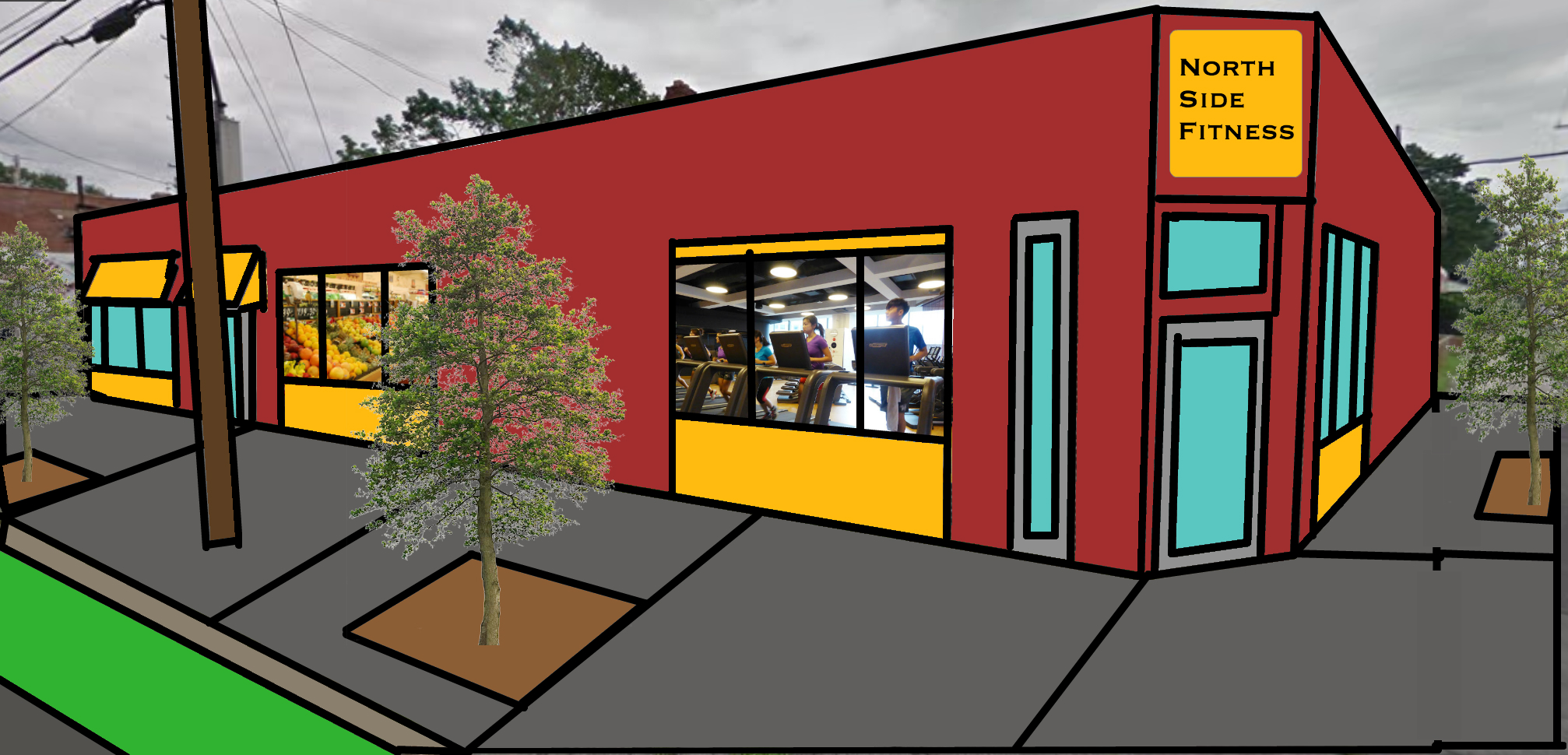
Proposed Gym/ Market

This building presents a lot of opportunities with its central location, but something that has been missing from this neighborhood as long as I have lived here is a gym and wellness center. This may seem like an odd fit for a working class neighborhood, but in reality it can fit if done in the right way.

This would not be a high end gym with every amenity you can think of. Instead it would be more in line with another local gym, Flex House of Fitness in Eastwood. A neighborhood gym where you come to know everyone there, where you walk to it from your home down the street. It becomes a community within itself. We can find ways to get donated or lightly used equipment. It might not be brand new but who really needs brand new weights? They're just going to get banged up anyways.

With finding reduced price equipment we can keep prices affordable for the community, and avoid requiring the long term commitment policies of chain gyms. Pay by the day or pay by the month, no need to commit to a year with a "maintenance fee." 

In addition to the gym I believe there should be a wellness center that sells fresh foods and provides weekly classes on cooking healthy meals. Although there are convenience stores and delis around the circle, there is not a place to get fresh produce. You can walk further and get to a Tops grocery store, but for many older folks and people with disabilities it is difficult to get around on the hills. This convenient location would also encourage those using the gym to grab fresh food on their way home.

Providing cooking classes weekly would also provide opportunities in the community that are not readily available. Many people overlook the health differences between those in higher and lower income brackets, so this center would help level that playing field and give those in the neighborhood a new skill set. 

Although the main focus here is this structure, we must also work to reconnect this circle for pedestrians. A few years ago the city took down the traffic lights and replaced them with stop signs and a new traffic flow. This was a huge first step in making this circle more navigable for pedestrians, but there is still room for improvement. The next step must include raised pedestrian islands where paint currently sits. This would help slow down drivers through the circle and provide a safer spot for pedestrians to linger as they wait for traffic to halt or clear. 

The sidewalks in the area must also be expanded, or in some places added. In front of Blueberry Market there is no separation between pedestrians and vehicles, especially as some cars try to cut the corner coming from the west down Grant Blvd.  Curbs must be replaced and crosswalks need more defined entrances. All of this would also help create a more welcoming feel in the central green area of the circle. As the green space sits right now there is little appeal to pedestrians to linger amongst the trees and flowers. With traffic slowed and walking made easier, it may become a more peaceful place to spend a little time. I would remove the current standard parks sign and replace it with a more welcoming piece that focuses on its place at the center of the Northside. 


In Syracuse, Urban Planning
Comment
← Newer Posts Older Posts →

Recent posts

Featured
PXL_20241010_211844719.jpg
Jan 30, 2026
Let's Do Good
Jan 30, 2026
Read More →
Jan 30, 2026
PXL_20250830_182821521.jpg
Sep 15, 2025
Urbanism Lessons from the Great White North
Sep 15, 2025
Read More →
Sep 15, 2025
Carousel.jpg
May 27, 2025
Destiny USA and the City
May 27, 2025
Read More →
May 27, 2025
PXL_20240805_141743149.jpg
Jan 1, 2025
All Cities Are Beautiful
Jan 1, 2025
Read More →
Jan 1, 2025
PXL_20241005_135224129.jpg
Nov 6, 2024
A Healthy Future for the Regional Market
Nov 6, 2024
Read More →
Nov 6, 2024
PXL_20240728_191254239.jpg
Jul 31, 2024
Renters Matter, Too
Jul 31, 2024
Read More →
Jul 31, 2024
Vista view.jpeg
Mar 21, 2024
The Valley of the Sun - A Land of (Sub)Urban Extremes
Mar 21, 2024
Read More →
Mar 21, 2024
Manlius Cinema.jpeg
Jan 31, 2024
The Movie Theater at the Urban Core
Jan 31, 2024
Read More →
Jan 31, 2024
Clinton Square Christmas Tree at night.jpeg
Nov 30, 2023
The Case for a Holiday Village
Nov 30, 2023
Read More →
Nov 30, 2023
PXL_20230817_220739294.jpg
Oct 31, 2023
The Walk: To Middle Ages
Oct 31, 2023
Read More →
Oct 31, 2023
Ballpark.jpeg
Sep 7, 2023
The Walk: To the Ballpark
Sep 7, 2023
Read More →
Sep 7, 2023
PXL_20230813_213112525.jpg
Aug 14, 2023
The Walk: To Tipperary Hill
Aug 14, 2023
Read More →
Aug 14, 2023

Powered by Squarespace